
Interview with Aleyna Erkoc Atesli
Today, we are joined by Aleyna Erkoç Ateşli, a
visionary tattoo artist and graphic designer whose work is
redefining the boundaries between digital precision and skin art.
Originally from Turkey and now making waves in Indianapolis,
Indiana, Aleyna’s portfolio is a masterclass in detail, from
vibrant, painterly wildlife to intricate, geometric compositions. In
this interview, we explore her journey across continents, the
technical mastery behind her unique style, and her significant
impact on the American tattoo landscape.
Q: Aleyna, every artist has a 'spark' moment; what was yours, and
how did your initial interest in art evolve into the world of
professional tattooing?
A: I’ve been interested in art for as long as I can remember. As a
child I always loved drawing and making things by hand. When I was
around 14 or 15, the idea of becoming a tattoo artist appeared in my
mind. I can’t say exactly how it happened because there weren’t even
many people with tattoos around me at that time. But somehow that
idea stayed with me and never really left. I think it was one of
those moments where you don’t fully know how something works yet,
but you just know you want to do it.
Q: You have a formal background in graphic design. How did
that academic foundation influence your decision to transition into
the permanent medium of skin?
A: Since I decided to become a tattoo artist at a very young age,
choosing graphic design as my field of study felt very natural. I
believed it would support my tattoo work, and it was also something
I genuinely enjoyed. Learning about composition, balance, form, and
visual storytelling helped me develop a more conscious approach to
design, and that foundation translates directly into my tattoo work.
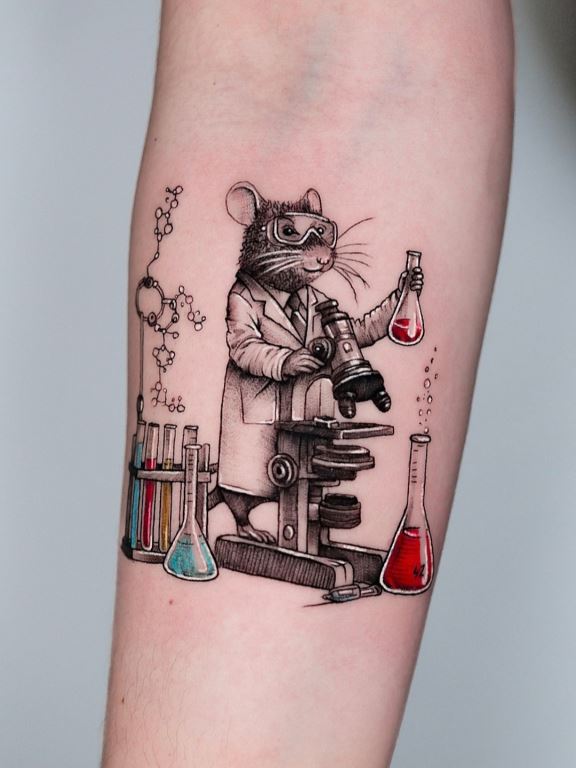
Q: In the early days of your career in Turkey, what were the
specific hurdles you faced as an aspiring female artist in a
competitive industry?
A: Of course there were moments where being a woman in the industry
brought certain challenges, but I wouldn’t say I faced a very
specific barrier that stopped me from progressing. It was probably
similar to the experiences many female artists go through. Over
time, your work starts speaking for itself. Once people see your
dedication and your art, the focus shifts from who you are to what
you create.
Q: At what point did you realize that tattooing wasn’t just
a craft for you, but a professional calling that required a move to
the global stage?
A: I’ve always been someone who enjoys learning and improving. I
never wanted to limit myself to one place. Tattooing gave me the
opportunity to meet people from different cultures and leave a piece
of art on their skin, which is something very special to me. Being
able to travel and work in different countries because of art is
honestly one of the most inspiring parts of this profession.
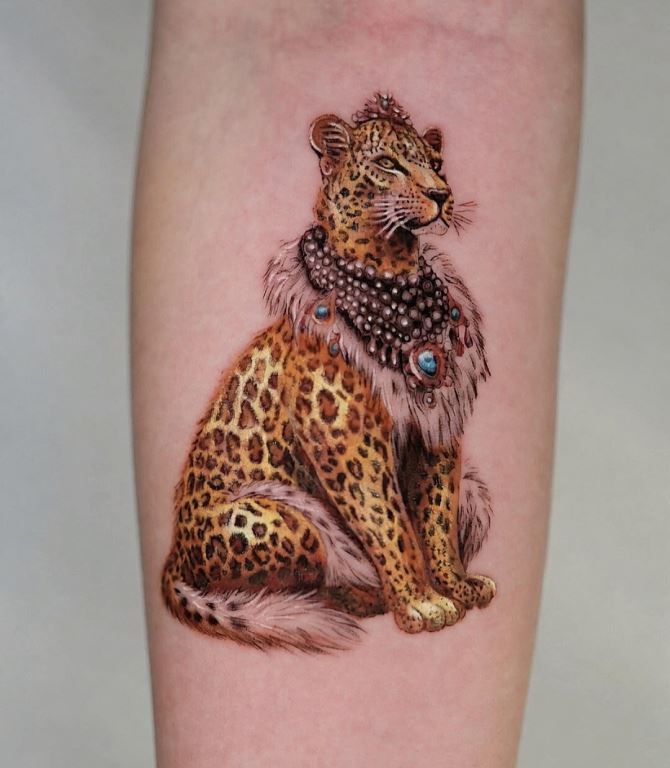
Q: Looking back at your first few professional pieces, what
was the most important lesson you learned about the responsibility
of creating permanent art?
A: One of the most important lessons I learned early on was
patience. A tattoo might look beautiful when it’s freshly done, but
you also have to think about how it will heal and how it will look
years later. Understanding skin and respecting the permanence of the
work is just as important as creativity.
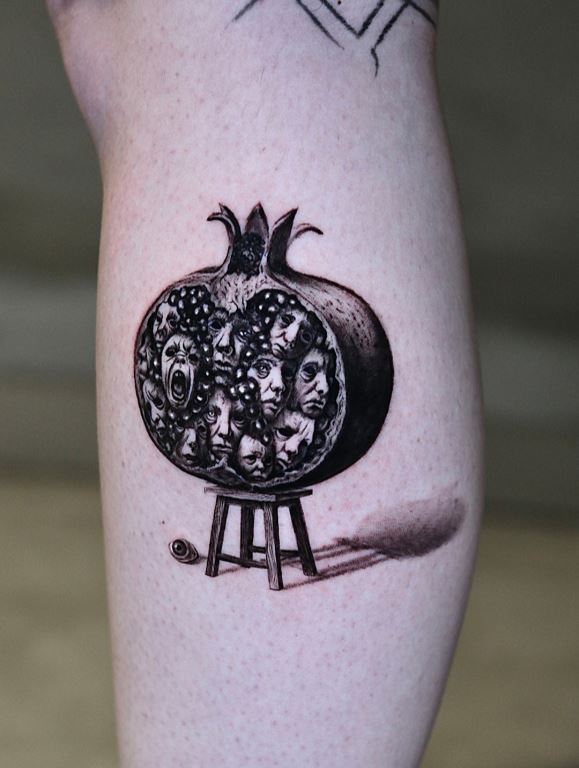
Q: Your style is a striking hybrid of graphic design and
illustrative realism. How do you describe this aesthetic to someone
seeing your work for the first time?
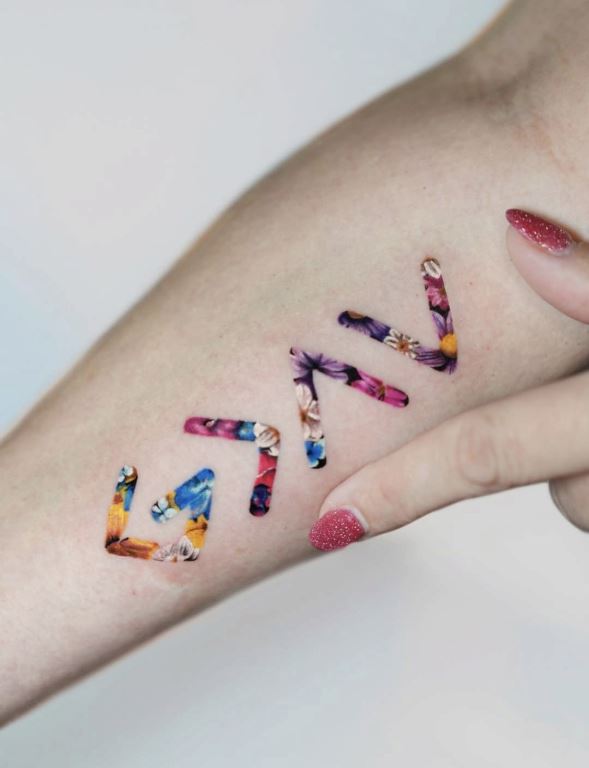
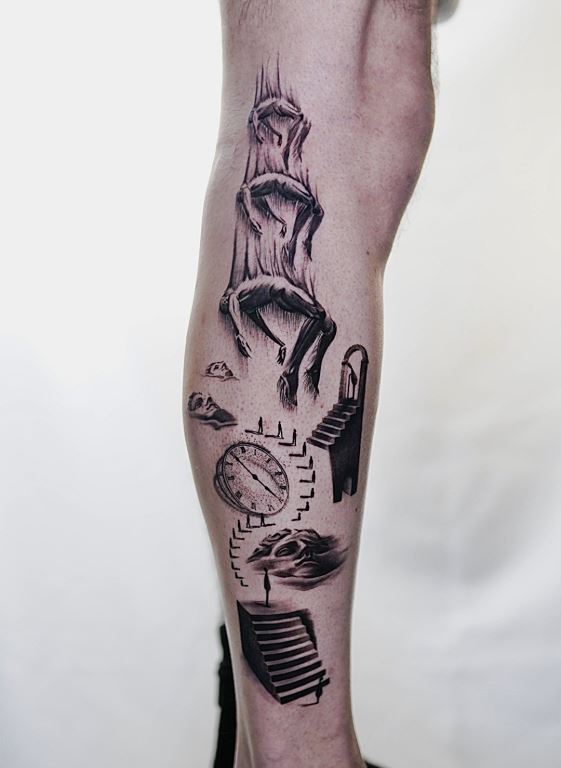
A: I usually describe my style as a blend of minimal realism and
graphic design. I enjoy creating strong visual impact in small
spaces, so detail, contrast, and composition are very important to
me. Sometimes I combine classical references with modern graphic
elements, and I also like adding subtle surreal details from time to
time. It creates a small space where reality and imagination meet :)
Q: Many of your pieces feature incredible depth in a small
space. What technical challenges do you overcome to achieve that
level of detail?
A: One of the biggest challenges is achieving detail without
overworking the skin. When you work in a very small area, it’s easy
to damage the skin if you’re not careful. Needle control, pressure,
and pacing are extremely important. Sometimes you’re literally
working within millimeters.
Q: As a graphic designer, how do you use digital tools to
enhance the traditional tattooing process for your clients?
A: I usually design my tattoos on a tablet. My graphic design
background helped me a lot while learning the tattoo design process.
Digital tools allow me to quickly adjust compositions, test
different placements, and show clients a clearer visualization of
the final result.
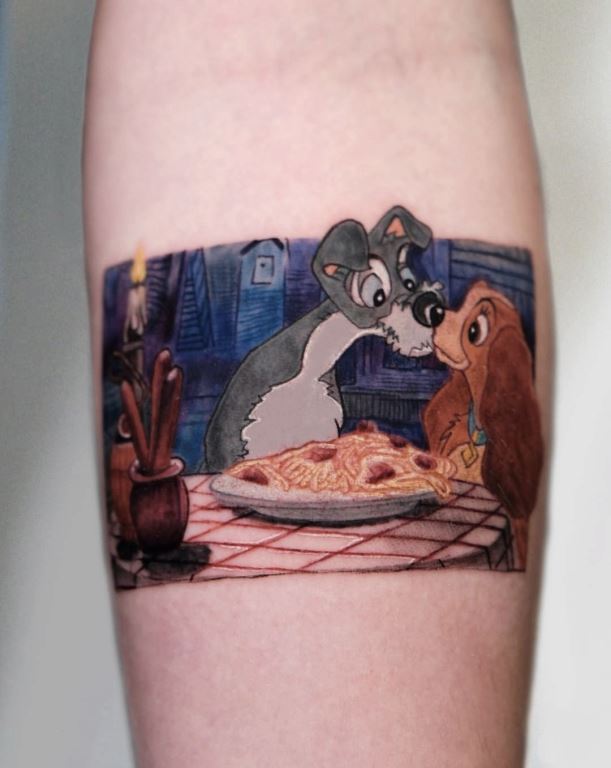
Q: When a client comes to you with a vague concept, how do
you navigate the negotiation of design and placement to ensure the
result is both artistic and anatomically flattering?
A: First, I try to understand the client’s idea and the story behind
it. Sometimes clients arrive with a very clear concept, and
sometimes they simply say, “I just want something beautiful.” :) In
those situations we develop the idea together. Then I consider how
the design will work with the body’s anatomy and suggest the best
placement to create a balanced and natural look.
Q: Can you share a story of a particularly challenging
cover-up or skin-type situation where your empathy and technical
skill were required to put the client at ease?
A: Cover-up tattoos can be very emotional for clients. Many people
come in feeling disappointed about a tattoo they previously got. In
those situations, the first step is making them feel comfortable. I
often tell them they’re not alone and that cover-ups are something
many people go through. From a technical perspective, choosing the
right design is key. Sometimes instead of completely hiding the old
tattoo, incorporating it into the new composition creates a much
better result.
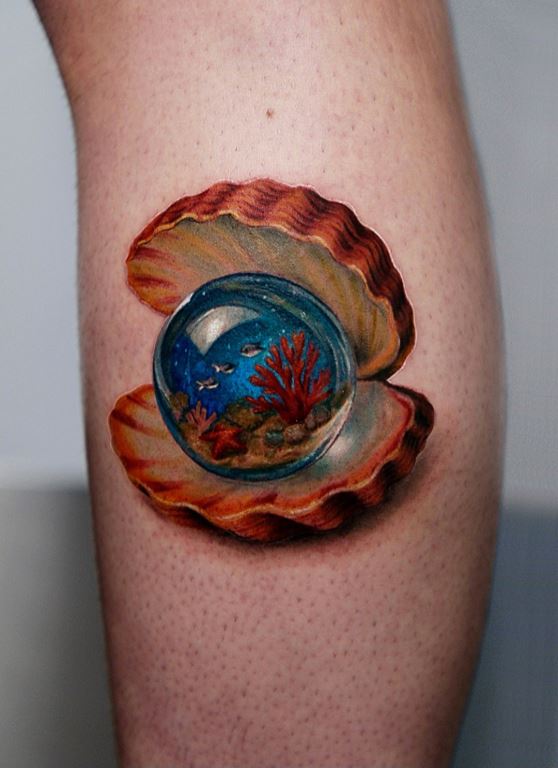
Q: In your view, why is it vital for a modern artist to move
away from ‘flash’ art and focus on creating a unique, recognizable
brand?
A: Today there are many talented artists, and when everyone follows
the same trends, the work can start to look similar. I believe what
makes an artist memorable in the long run is developing their own
visual language. Trends come and go, but your style becomes your
signature.
Q: How has your motivation shifted from your early career to
now? What drives you to keep innovating every day?
A: In the beginning, my motivation was mostly about proving myself.
Over time, that shifted into a desire to grow and produce better
work. The beauty of art is that there is always something new to
learn, and that constant evolution keeps me inspired.
Q: What does ‘success’ look like for you in the context of a
single tattoo session?
A: For me, success is when a client looks in the mirror and
genuinely smiles. That moment right after a tattoo is finished can
say everything. Since a tattoo stays with someone for life, that
first moment of happiness is very meaningful to me.
Q: I noticed several pieces that reference classical
sculptures or Renaissance-style imagery but with a modern, “glitch”
or geometric twist. What is the intent behind merging these ancient
art forms with contemporary graphic elements?
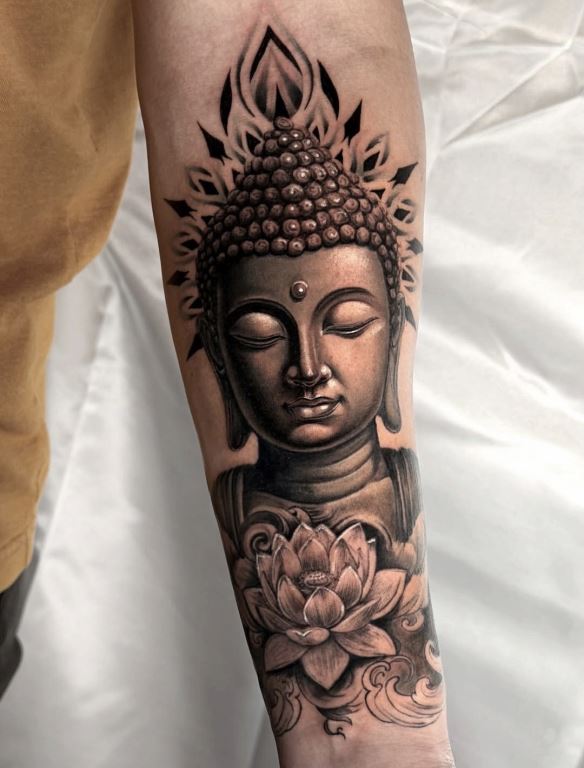
A: Classical art has a timeless aesthetic. Combining it with modern
graphic elements creates an interesting contrast for me. It feels
like a dialogue between the past and the present. Sometimes I also
like to add small surreal touches, which can make something familiar
feel slightly unexpected.
Q: Much of your work appears to be “Fine Line.” Can you walk
us through the mental and physical discipline required to work with
such a low margin for error?
A: Fine line tattooing requires a lot of concentration and control.
The margin for error is very small, so hand stability, patience, and
focus are essential. Equipment choice and needle selection also play
a big role in achieving clean results.
Q: Your portfolio shows a fascinating contrast between
smooth gradients (soft shading) and sharp, stippled “dot-work.” How
do you decide which texture best serves the “story” of a specific
tattoo?
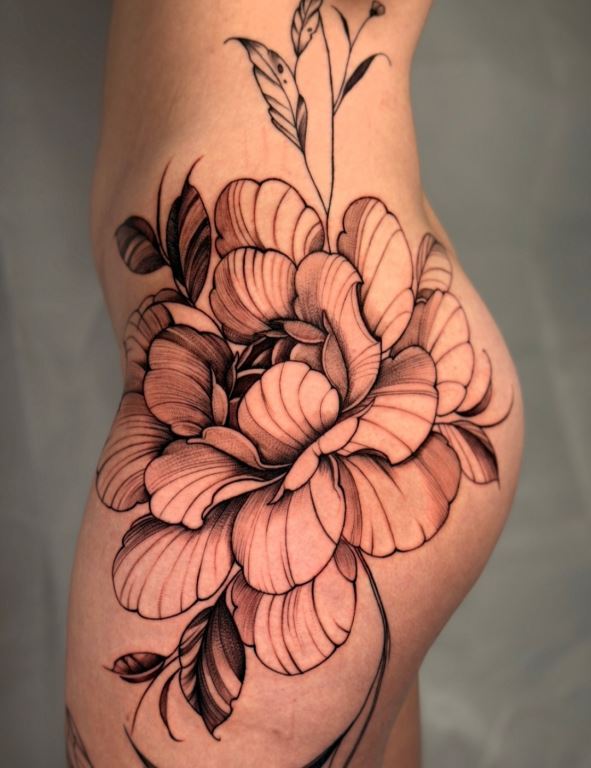
A: It really depends on the story and the mood of the design. Some
concepts benefit from soft shading because it creates a smoother and
more natural look. Others feel stronger with dot-work, which adds
texture and contrast. Sometimes combining both techniques creates
the most interesting visual balance.
Q: If we look at your work from three years ago versus
today, how has your “artistic voice” matured?
A: Over time my work has become simpler in composition but stronger
in impact. Recently I’ve been focusing more on how fine details heal
over time and how to maintain clarity in smaller designs.
Q: Moving from Turkey to the United States is a monumental
step. What was the primary catalyst that made you choose the U.S. as
the place to grow your career?
A: The U.S. has a very dynamic and diverse tattoo industry. I wanted
to challenge myself in a larger international environment and work
with clients from different cultures. It felt like the right place
to grow both creatively and professionally.
Q: Since arriving in Indianapolis, how have you found the
American tattoo culture differs from the scene in Europe or Turkey?
A: In the United States, tattoo culture feels more widely accepted
as part of everyday life. People from many different backgrounds
have tattoos, and there’s a very open appreciation for different
styles.
Q: Tattoo conventions are often invite-only. What does it
mean to be selected?
A: Tattoo conventions bring together some of the most talented
artists from around the world. Being part of those events is
important because it allows you to showcase your work, learn from
others, and connect with the global tattoo community.
Q: How have conventions helped build your professional
network?
A: Conventions are great places to meet artists from different
countries and build professional relationships. Over time, these
connections create a network that can lead to collaborations, guest
spots, and new opportunities around the world.
Q: As an international artist, what unique ‘flavor’ do you
bring to the U.S. tattoo scene?
A: Working in different cultures has given me a broader perspective
on design. I enjoy blending European aesthetics with modern graphic
elements, and sometimes incorporating subtle surreal details that
add personality to the piece.
Q: Where do you see yourself in the global tattoo industry
over the next five years?
A: I want to continue developing my style and working on projects
that allow me to reach a wider international audience.
Q: Reflecting on your journey, what surprises you the most?
A: What surprises me most is how far art has taken me. When I was
younger, I just enjoyed drawing. I never imagined that it would
eventually bring me to different countries and cultures. That part
still feels a little surreal to me :)
Q: What is the dream project you are currently chasing?
A: I would love to work on larger artistic projects and continue
expanding the reach of my personal style.
Q: Any advice for those who want to enter professional tattooing
today?
A: Be patient and practice as much as possible. Tattooing can look
quick to learn from the outside, but in reality it takes a lot of
time and discipline. Technical skills are important, but passion and
dedication are just as essential. And of course, keep drawing :)
Date: 31 March 2026
Interview: Ivana Kancheska


