
Interview with Ahmet Ozaydin
Hello Ahmet Ozaydin! Thank
you so much for taking the time to do this interview.
Q: Background
A: My relationship with art started with drawing in childhood and
evolved through graffiti, painting, and portrait work. Tattooing
became the strongest medium where I could merge all these
disciplines with the human body. Over the years, I focused on
realism and color to develop my own visual language.
Q: When did you start tattooing
A: I started tattooing professionally in 2015. From the very
beginning, I realized it was not just a craft but a long-term
artistic discipline.
Q: Early style exploration
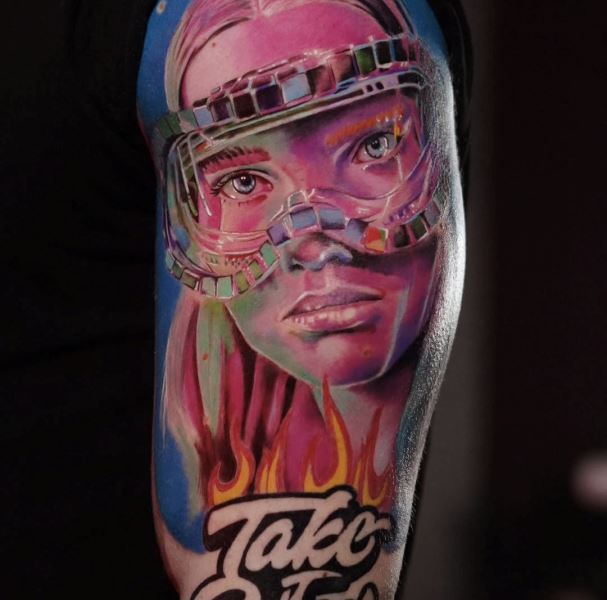
A: I experimented with different styles early on, but realism
challenged and pushed me the most. Detail and light became defining
elements for me.
Q: Defining moment
A: Rather than a single piece, there was a moment when I realized my
work no longer just looked “good,” but truly felt like mine. That
was my awakening.
Q: Inspirations
A: Cinema, photography, classical painting, and digital art. I draw
inspiration from these as much as from tattoo artists.
Q: Most unexpected request
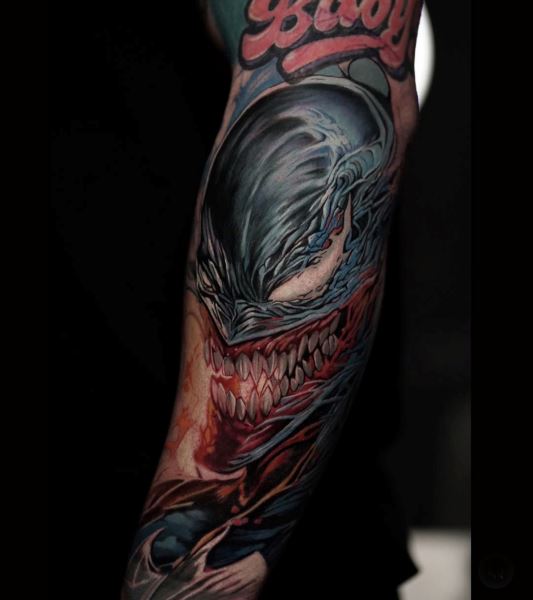
A: Requests that merge pop culture with classical art. Unexpected
ideas often lead to the strongest results.
Q: Working atmosphere
A: A focused yet energetic environment. Music provides rhythm, but
silence is also part of the process.
8. Digital tools
A: Yes, I use Procreate. Clients are involved, but the final
artistic decisions are always mine.
Q: Cover-ups vs blank canvas
A: A blank canvas offers more freedom, while cover-ups are technical
challenges. I enjoy both.
Q: Detail vs blur
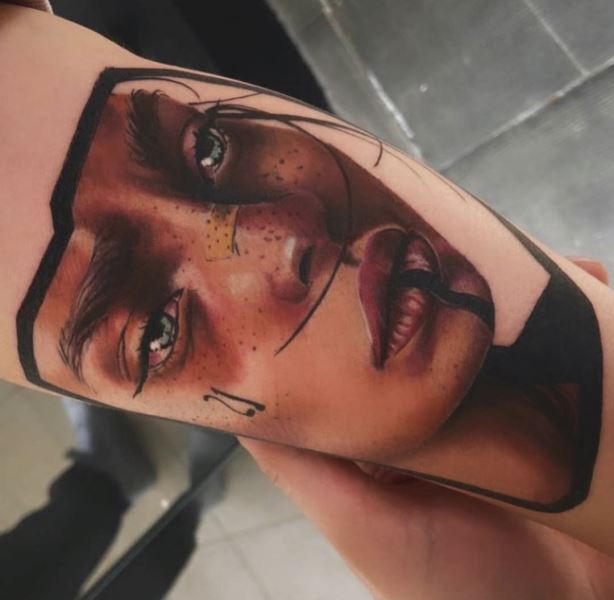
A: The focal point must be sharp, while surrounding areas should
breathe. The eye needs direction.
Q: Longevity in realism
A: Strong values, proper contrast, and avoiding over-detailing are
key for longevity.
Q: Most challenging subject
A: Human portraits because they carry emotion as much as technique.
Q: Motivation
A: The drive to constantly improve and leave something lasting
behind.
Q: Observation before tattooing
A: I always study facial expression, bone structure, and emotional
presence.
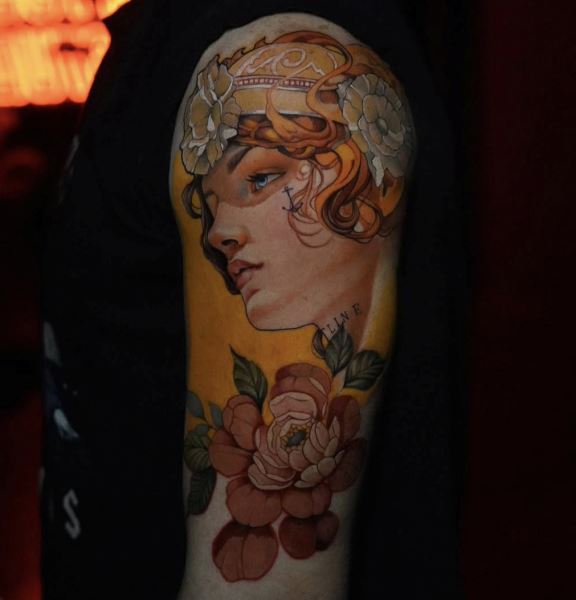
Q: Watercolor practice
A: Yes, it greatly helps me understand transitions and softness.
Q: Graffiti vs realism
A: One teaches speed, the other patience. They balance each other.
Q: Without tattoo machines
A: A pencil. Everything starts there.
Q: Creative freedom
A: Client ideas are a starting point; art requires freedom.
Q: Black & grey vs color
A: Black & grey emphasizes form; color emphasizes emotion.
Q: Working in Seattle
A: Seattle demands high standards, which pushes me to be more
precise.
Q: Studio & booking
A: Seattle, WA. Working by appointment. Instagram: @outlineborz
Q: Seattle’s influence
A: The balance of technology and street culture influences my work.
Q: U.S. collector culture
A: Clients are more open to large-scale, long-term projects.
Q: U.S. tattoo scene
A: Highly competitive, but it elevates quality.
Q: AI & digital tools
A: Tools evolve, but the eye and hand remain essential.
Q: Education plans
A: Yes. Teaching how to truly see is my priority.
Q: Concept studio
A: Long term, yes a hybrid of tattooing, painting, and gallery
space.
Q: International collaborations
A: More interested in strong visions than specific names.
Q: Legacy
A: I want my work to be seen as “timeless yet bold.”
Q: One-sentence summary
A: A journey using skin as canvas and light as language.
Interview: Ivana Kancheska
Date: 16 January 2026


