
Interview with Anastasia Vesnina
Hello Anastasia Vesnina! Thank you
so much for taking the time to do this interview. Please start by
telling us something about yourself and your background. When did
you discover your talent for arts? I was born in Siberia,
Russia, and I’ve been passionate about drawing for as long as I can
remember. Art was never just a hobby, it was always clear to me that
I’d pursue a creative path. After high school, I studied Graphic
Design in college, thinking it was the right direction. I worked in
the field briefly, but soon realized it didn’t fulfill me. That
experience, however, confirmed what I already knew: my life had to
revolve around art.
Q: What was the initial spark that ignited your interest in
tattooing, and how
has your motivation evolved over time?
A: After leaving the graphic design industry, I was open to
exploring other areas of art. A friend of mine was tattooing from
home, and that’s what first sparked my interest. I began studying
the craft on my own and became self-taught. At first, it started as
a hobby, but I quickly realized it was more than a job, it was
something I felt truly excited about. I began with graphic styles
like line work and dot work, but my ultimate goal was always
realism, both black and grey and color. I knew it was technically
demanding, but that’s what drew me in. I stayed focused and didn’t
let distractions pull me away from that path. It took time and
dedication, but knowing exactly what I wanted made the process
clearer. Tattooing, to me, is like navigating the ocean, there’s no
single path, and endless directions to explore. My clients are also
a huge part of my motivation. The trust they place in me, especially
on large projects, means everything.
Q: It's impressive how realistic your
tattoos are. What's the most satisfying
part of creating that kind of work?
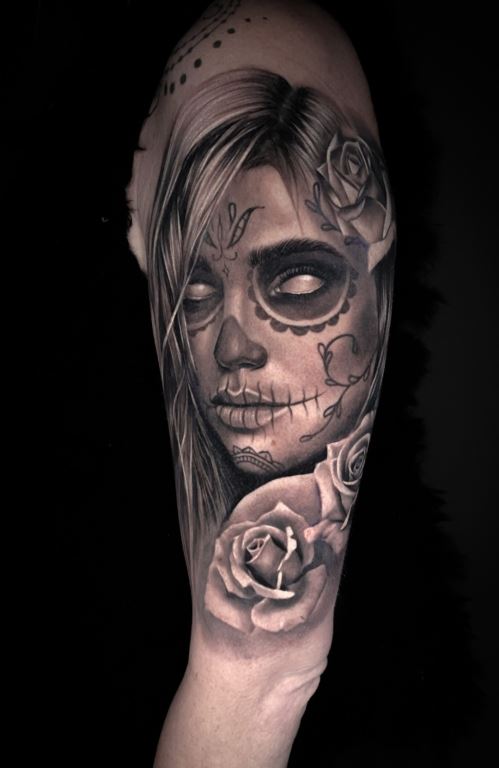
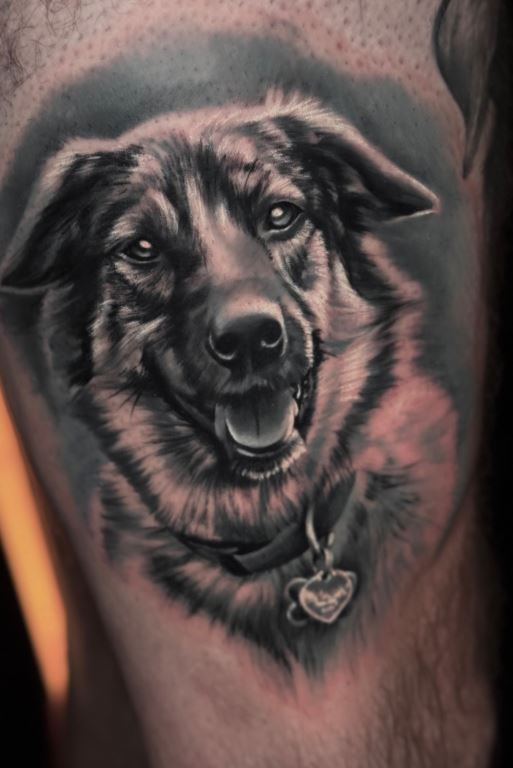
A: The most satisfying part is seeing the final result and more
importantly, seeing my clients’ reactions. Whether it’s helping
cover a scar or bringing a meaningful image to life, watching their
transformation and knowing I played a part in that is incredibly
rewarding.
Q: Tattoo realism stands as one of the most sought-after,
yet technically
demanding, styles. Mastery requires exceptional skill, as clients
rightfully
expect meticulous precision and a flawless representation of their
original
design. What are the key elements of this style that you find
particularly
rewarding to create?
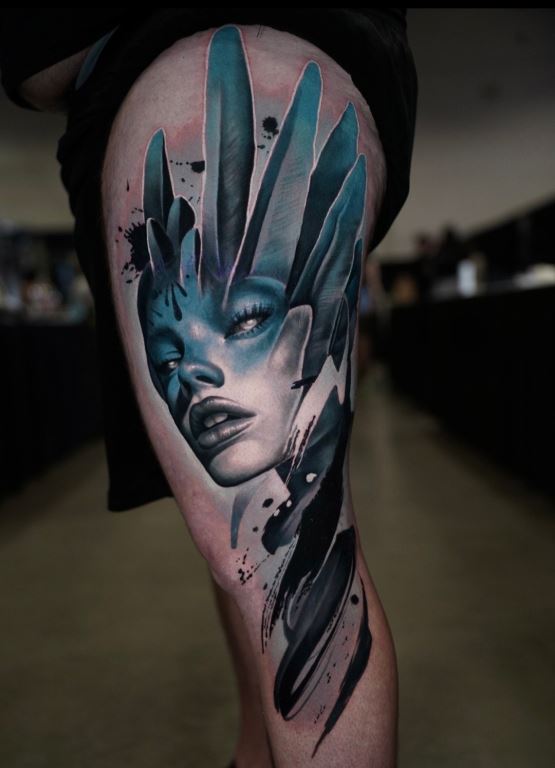
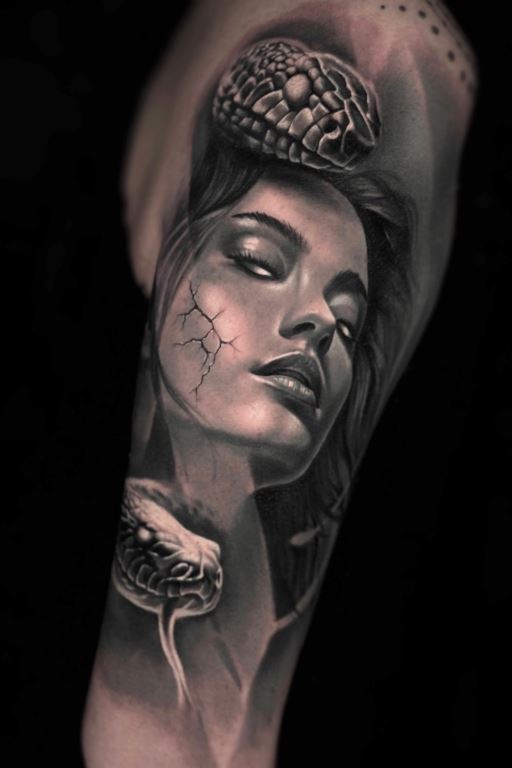
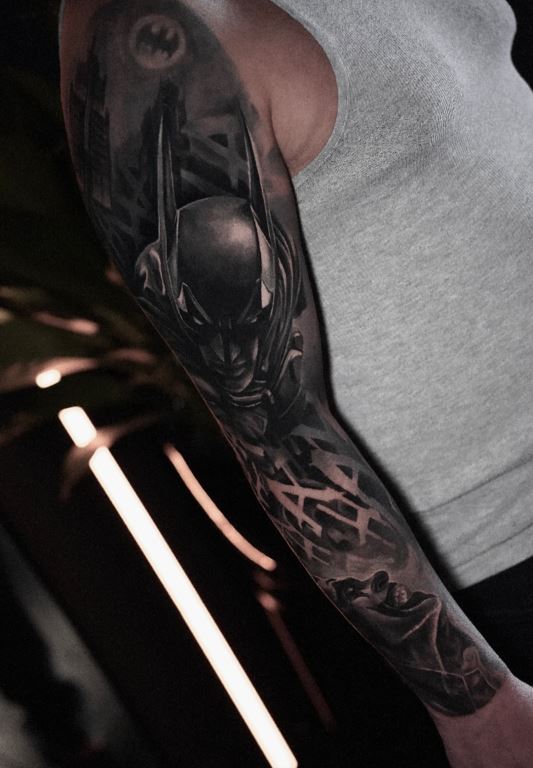
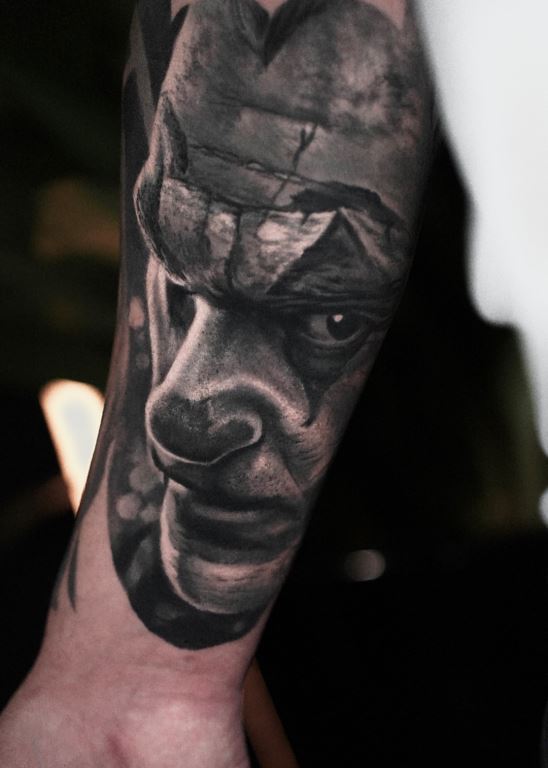
A: Realism isn’t just about copying an image. It’s about
understanding anatomy, light, depth, and how to make the artwork
flow naturally with the body. My background in art fundamentals
plays a big role in how I approach each piece. Translating a flat
image into something that feels alive on the skin, that’s what I
find most rewarding.
Q: In your practice, do you find yourself
gravitating towards color or black
and gray work, and what are the artistic considerations that
influence that
preference?
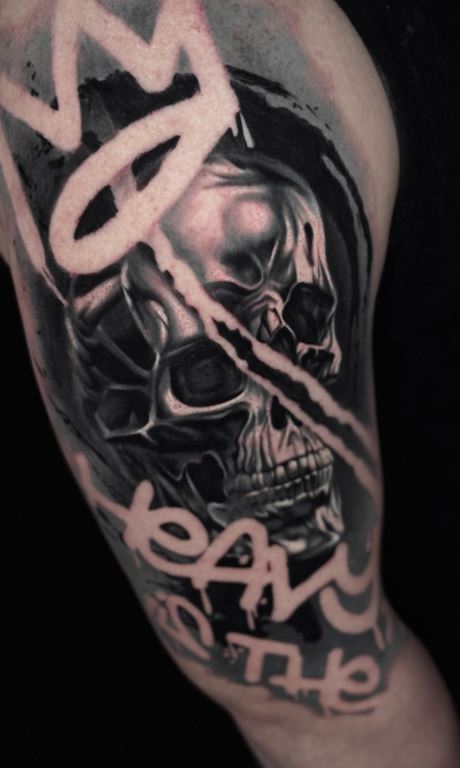
A: I approach both styles similarly. Even in black and grey, I use
opaques and layer tones the way I would with color, so the technique
is the same. Some projects feel more powerful in monochrome, while
others demand the vibrancy of color, it really depends on the piece.
I don’t favor one over the other because each offers unique visual
impact.
Q: Tattoo realism is sometimes perceived
as a style with limited creative scope.
What are your thoughts on incorporating personal artistic expression
within
the constraints of realistic designs?
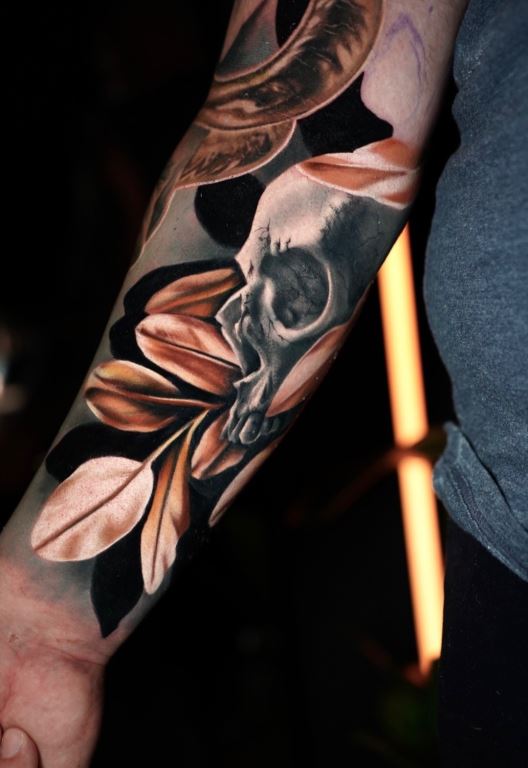
A: I actually think realism allows for more creative freedom than
people assume, even more than styles like American traditional or
Japanese. With experience, you learn how to combine elements in
unique ways while still staying true to anatomy and flow. It’s not
copy-and-paste. Every piece is designed from scratch to suit the
body, making the creative process deeply involved. I always
collaborate with my clients to understand their ideas and bring
their vision to life, while still preserving my artistic voice. I
design digitally using a pen tablet and tools like Photoshop, which
gives me flexibility to refine every detail.
Q: What tattoo pushed you the most, either creatively or
technically, and what
did you learn from the experience?
A: Every tattoo pushes me. I never repeat my own designs, I
challenge myself with every new piece. I only compare my current
work to my past work: last month, six months ago, a year ago. That’s
how I track my growth. Creatively, I’ve learned that even when you
hit blocks or feel overwhelmed, the best way through is to keep
going. That persistence builds confidence and skill over time.
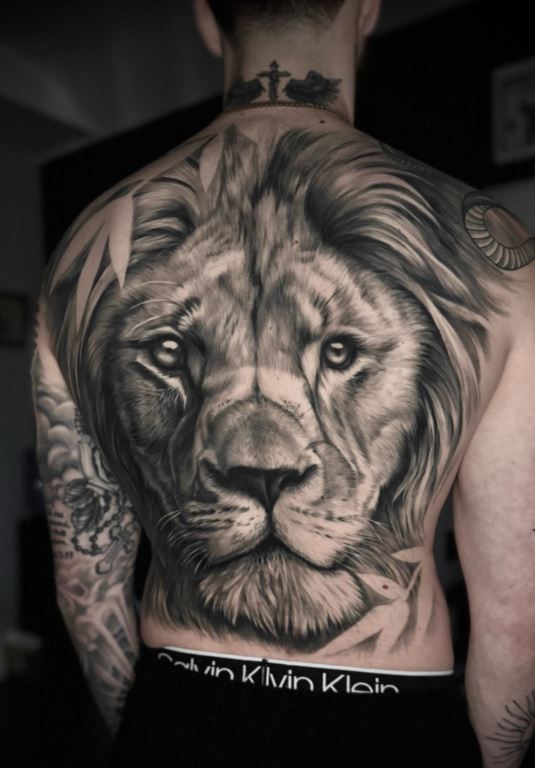
Q: That amazing lion back tattoo!
Favorite! Can you walk me through some of
the logistical considerations involved in planning and executing a
multi-
session project like that?
A: Planning large pieces like the lion back tattoo requires both
artistic and technical knowledge. The first session is crucial,
especially getting the stencil placement right. Once that foundation
is set, I can fully focus on the work and be present in the moment.
These projects take time, but I always aim to support my clients
through long sessions, making sure they’re comfortable and feel
taken care of. Every detail matters, and I bring both experience and
empathy to the process.
Q: You meet all kinds of people every day, hearing their
stories while giving
them a work of art. Do you see more creative design choices from
male or
female clients, or does it seem to be more of an individual
preference
regardless of gender?
A: It’s completely individual. Every person brings their own story
and personality to the process. I love listening and learning about
my clients, it helps me shape a piece that feels truly personal,
while still carrying my own interpretation.
Q: Earning client trust requires both
exceptional tattoo skills and unwavering
ethical behavior. A good reputation solidifies this trust,
guaranteeing clients a
quality tattoo. What, in your opinion, is the most effective way to
maintain
this crucial reputation?
A: It starts with truly respecting your clients. When you see them
as people not just canvases everything changes. Listening,
understanding their needs, and being present throughout the process
builds trust naturally. I’m incredibly grateful for the trust my
clients place in me. That support fuels my motivation to keep
growing, learning, and delivering my best every time.
Q: With so many resources available today, from online
tutorials and
workshops to conventions and guest spots, it seems like there are
more
avenues than ever for aspiring tattoo artists. Do you feel this
increased
accessibility has made it easier to break into the field?
A: Absolutely. When I started, rotary machines didn’t even exist,
and I was in the middle of Siberia with one local studio that wasn’t
up to standard, so I began learning on my own couch. Now, with
platforms like YouTube and advanced technology in machines and inks,
learning has become so much more accessible. That’s a huge advantage
for new artists today.
Q: What's your take on the local tattoo
scene? Are you seeing any exciting
developments, like new artists, styles, or events?
A: I really enjoy seeing more artists from Europe and Slavic
countries making their mark on the North American tattoo scene. They
bring a unique artistic perspective and a high level of technical
skill that is already starting to influence the industry in
meaningful ways. As this cross-cultural exchange continues, I
believe it will help raise overall standards. Clients are becoming
more informed and appreciative of quality work. Over time, this
growing awareness will likely reduce the demand for cover-ups and
reworks, as more people seek out well-executed tattoos from the
start.
Q: Please write down your studio location and website/social
media links. Also
let us know if you are available for bookings.
A: I work out of a private studio located in downtown Hamilton,
Ontario. Bookings are always open but remain highly selective, as I
focus on medium to large-scale custom pieces. Instagram:
@anavesninatattoo
Q: Your talent has clearly garnered
international recognition, leading to guest
artist residencies in various countries. Could you elaborate on your
experiences working in these foreign studios, and are there any
specific locations you'd be particularly interested in returning to?
A: One of my favourite guest spots has been in New York, where I’m
proud to be part of the Pro Hustle Butter team. The experience has
always been incredibly positive, the people are warm, genuine, and
passionate about the industry, and I enjoy collaborating with them.
Guest spots offer valuable opportunities to learn, grow, and
exchange knowledge with fellow artists. Working in different
studios, whether abroad or locally, broadens one’s perspective and
keeps the work fresh and inspiring. I remain open to future
opportunities in new cities and countries.
Q: How often do you attend tattoo
conventions? In your experience, how
valuable are tattoo conventions for artistic growth and building
client
relationships?
A: I attend between 7 to 10 conventions annually. While building
lasting client relationships during short convention visits can be
challenging, these events are invaluable for exposure, reputation,
building, and artistic development. Conventions provide
opportunities to showcase work to a wider audience and network with
peers. Attending seminars and engaging with some of the most
talented artists in the industry greatly benefits artists,
especially those still developing their style. The tattoo community
is very open and supportive, and there is always something new to
learn.
Q: How has your passion for tattooing evolved since you
first started? Are you just as enthusiastic, or even more so now?
A: I feel even more passionate now than when I first began. In the
beginning, I had no idea how diverse this industry truly was. As I
learned and grew, tattooing never stopped feeling like my hobby,
even after it became my full-time career. Gaining experience and
understanding the limitless possibilities has only fueled my
motivation and deepened my love for the craft.
Q: Three favourite career highlights?
A: Starting my journey: The very first time I tattooed, I was amazed
by the idea of drawing directly on the skin, it was such a powerful
and exciting introduction. Second, moving to Canada: This was a
turning point for me. I had to start over and relearn the industry
from the ground up in North America, which pushed me to grow
tremendously as an artist. Third, opening my own studio: Last year
was a milestone. I launched my own studio, became part of the Hustle
Butter Pro Team, and finally stepped into my full potential without
distractions holding me back.
Q: The American tattoo scene offers a wide range of styles
and influences. Do you see any potential benefits or opportunities
for artistic growth in exploring that environment?
A: Absolutely. Being surrounded by talented artists naturally
encourages growth, often without you even realizing it.
Conversations alone can completely shift your perspective and
inspire new ways of thinking about art. When you’re open to
listening and learning, the environment becomes a powerful source of
inspiration and development.
Q: Do you have any favourite American tattoo artists you
would like to work with in the future?
A: There are many artists I deeply admire and respect. Collaborating
with any of the top artists would be an honor, regardless of style.
I value their unique artistic expression and would be grateful for
the opportunity to learn from them.
Q: Knowing the diversity of the US tattoo
landscape, are there any areas that particularly resonate with your
artistic style or that you feel would be a good fit for your work?
A: I haven’t had the chance to travel everywhere in the U.S. yet,
but I’m very open to exploring and seeing where my work resonates
best. Each region has something unique to offer, and I’m excited to
discover where my style can connect most naturally.
Q: What impact do you aspire to have on the tattoo
community?
A: I want to encourage artists to approach tattooing with a deeper
understanding of art fundamentals, anatomy, and the cultural
significance of tattooing. I also hope to inspire more openness to
learning from different cultures and perspectives within the
industry, which I believe can only strengthen our community as a
whole.
Q: If you could go back and give your younger self advice
about pursuing tattooing, what would it be?
A: I would tell myself to invest in education early, it accelerates
growth. I’d also remind myself that perfectionism can be useful, but
only in moderation. You don’t have to perfect everything yourself,
sometimes it’s better to let others take their own approach. Balance
and perspective are just as important as technical skill.
Interview: Magnus Karlsson
Date: 08/02/2026


