
Interview with Danilo de Souza Barreto
Hello Danilo de Souza Barreto! Thank you so
much for taking the time to do this interview. It's a pleasure to
have you here. Please start by telling us something about yourself
and your background. What sparked your initial interest in art? What
was the main motivation to start exploring your talent and
ultimately what made you pursue art seriously? I grew up in
Brazil and art has always been part of my life. Drawing was my way
of understanding the world long before I saw it as a career. From an
early age, I was especially drawn to portraits and realism. I used
to draw pencil portraits and sell them to local clients, earning my
first income as a teenager, which was my first real experience
turning art into something tangible and meaningful. What truly
pushed me to take art seriously was realizing that talent alone
wasn’t enough. Discipline, consistency, and responsibility were what
transformed passion into a profession. Once I understood that, I
committed fully to developing my skills and pursuing art as a
lifelong path.
Q: How and when tattooing came into the picture?
A: Tattooing came into my life naturally. I was already drawing
constantly and deeply interested in realism, portraits, and light.
What attracted me to tattooing was the idea of working on living
skin, where there is no undo button and every decision matters. In
2014, I started tattooing friends and neighbors in a small space in
the back of my house. It was very simple, but it was where I learned
the foundation of responsibility, technique, and respect for the
craft. This humble start led to building a client base that grew to
over 100 regulars within two years, turning tattooing into my
full-time profession. From that moment on, tattooing stopped being
just an experiment and became a serious commitment.
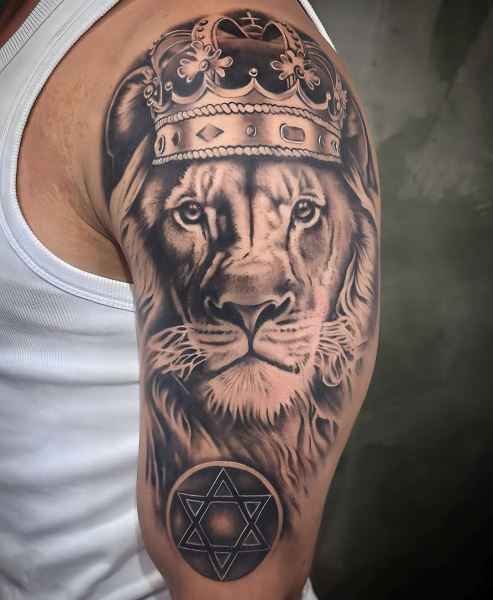
Q: Tattooing is an unforgiving medium,
there is no 'undo' button. In those early years in Brazil, what was
the most difficult technical hurdle you had to overcome to achieve
the smooth, photographic shading you’re known for today?
A: The biggest challenge was learning how the skin reacts. Tattooing
doesn’t forgive mistakes. In the early years, I had to learn how to
control pressure, saturation, and transitions without overworking
the skin. Achieving smooth shading took years of trial, error, and
patience, culminating in my first award-winning piece in 2019 at a
local convention, where judges praised the seamless gradients.
Q: The tattoo world is full of different styles, from Bold
Traditional to Tribal. At what specific moment in your early career
did you realize that realism was your true calling?
A: There wasn’t one single moment, but a realization. I noticed I
was spending far more time studying faces, light, and texture than
anything else. Realism demanded everything from me, technically and
emotionally, and that challenge is what made me commit to it fully.
This focus paid off when I won my first realism-specific and
portrait award at the Expo Tattoo Bauru in 2019, confirming my path.
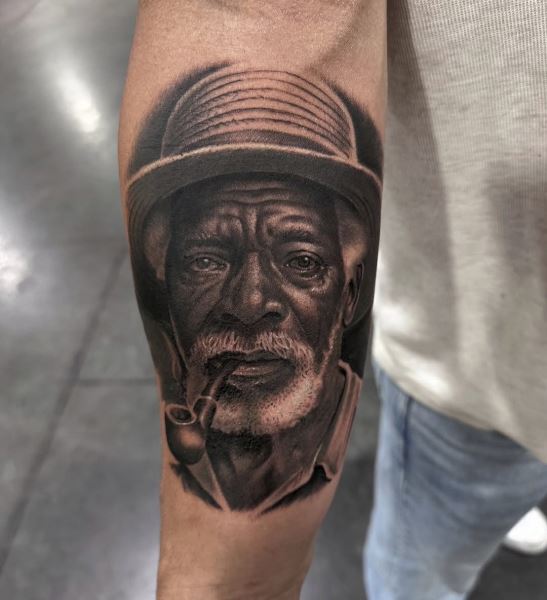
Q: The portrait of the man with the pipe (who won 3 awards)
shows incredible texture and illumination of the skin. What is your
technical process to achieve this level of hyper-realism?
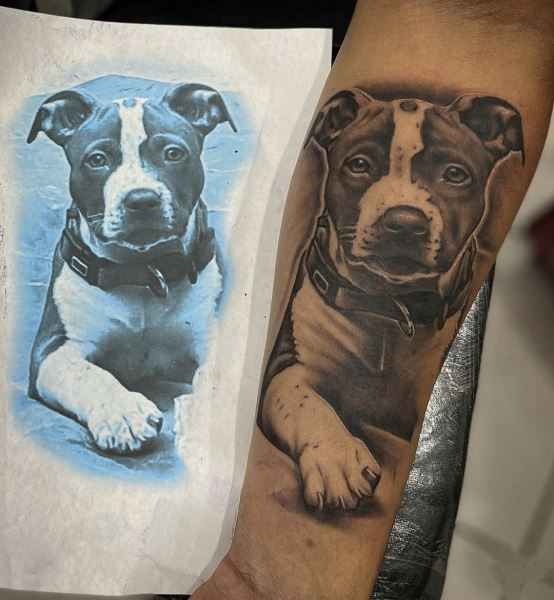
A: My process starts with image selection and light mapping. I break
my face into values before thinking about details. The skin texture
only works when the base is correct. I focus on contrast placement,
controlled transitions and breathing space so that the tattoo
remains readable in the long term. This piece, using this technique
helped me win 3 in three categories, including Best Portrait,
Realism and best of the day at Sandy Tattoo Convetion, judged by
industry experts.
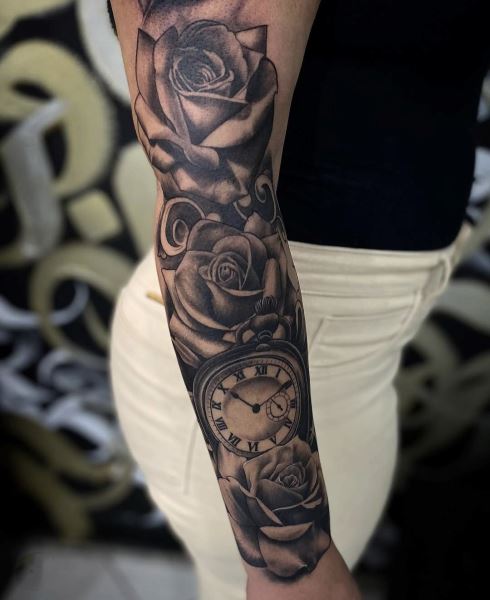
Q: What do you think separates your
portraits from other realism artists?
A: I think it’s my obsession with longevity. Many portraits look
great fresh but don’t age well. I sacrifice small details if they
don’t serve the piece long term. My goal is realism that still reads
strong years later, as evidenced by client follow-ups showing
tattoos holding up after 5+ years, and praise from peers in letters
of recommendation.
Q: Your biography mentions “transforming memories”. Can you
tell me about a specific project in which you transformed a client’s
personal story into a work of art?
A: A project that stands out was a memorial portrait of a client’s
father. It wasn’t just about similarity, but emotion. We talked
deeply about who this person was, and I translated it into
expression, enlightenment and composition. This piece was presented
and awarded at the Sandy Tattoo convention, highlighting how my work
creates a lasting emotional impact. That’s when tattoos become more
than images.
Q: In Black & Gray Realism, you don't have color to create
depth, you only have contrast. How do you approach the 'mapping' of
a face to ensure that the tattoo looks three-dimensional and doesn't
flatten out over time as the skin heals?
A: In black and gray realism, contrast is everything. I map the face
thinking in layers. Where the skin needs to breathe, where it needs
weight. I avoid flattening by keeping strong dark anchors and soft
midtones, letting the skin do part of the work. This method has been
taught in my seminars to over 200artists, who report improved
longevity in their own work.
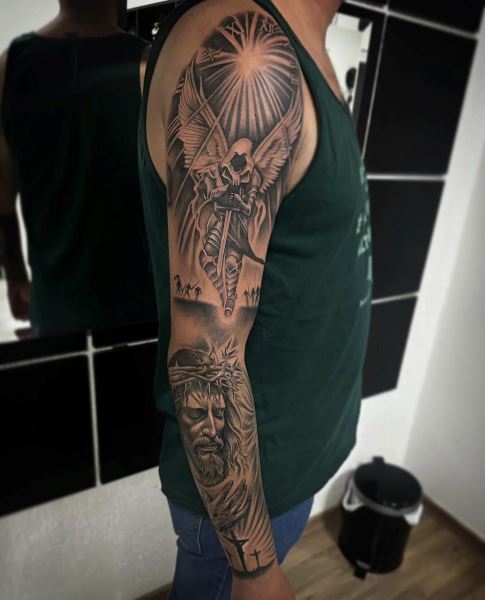
Q: Realism is often criticized for fading
quickly, yet your portfolio shows very crisp, bold work. What is
your secret to balancing high-level, fine-line detail with the
'longevity' required for a tattoo to look good 10 or 20 years from
now?
A: The secret is restraint. Not everything needs to be tattooed.
Knowing when to stop is just as important as knowing how to tattoo.
I always build a strong structure first and let the details support
it. Longevity comes from bold foundations, clear contrast, and
respecting how the skin ages over time.
Q: Tattooing is a lifetime commitment. When a client sits on
your chair and trusts you with their skin, how do you handle that
weight of responsibility? What steps do you take during the
consultation to ensure you are truly aligned with their vision?
A: I take that responsibility very seriously. During consultation, I
listen more than I talk. My job is to translate their vision into
something that works on skin, not just say yes to everything.
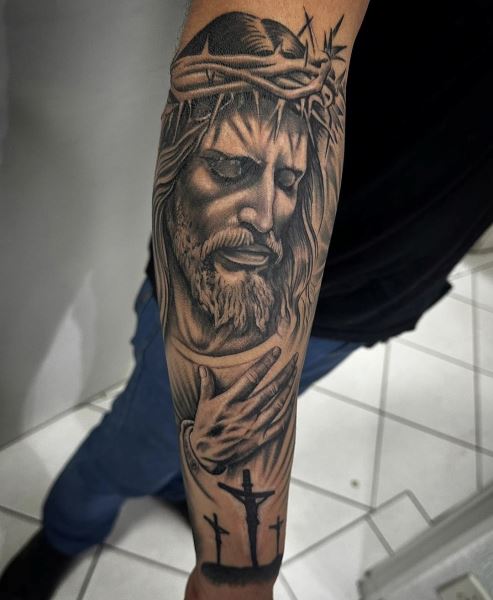
Q: For an artist of your caliber, the
experience is just as important as the art. What kind of atmosphere
do you strive to create in your studio (whether in Brazil or the US)
to make sure your clients feel respected, safe, and valued
throughout a long session?
A: For me, the experience is just as important as the tattoo itself.
Long sessions require trust, and that trust begins with
communication. I focus on creating a calm, respectful environment
where clients feel comfortable and confident throughout the process.
I strictly follow professional safety and hygiene standards,
including Bloodborne Pathogens certification, to ensure a safe
studio environment. Whether working in Brazil or in the U.S., my
priority is always to make clients feel respected, heard, and
supported from start to finish.
Q: After all these years and awards, what is the one thing
about the artist-client relationship that you appreciate the most?
Is it the stories they share, the trust they give you, or the fact
that your art will walk the earth with them forever?
A: What I value most is trust. Knowing someone is allowing my art to
become part of their life forever is something I never take lightly.
Q: Can you walk us through the moment you won 'Best Realism
Tattoo '?
A: Winning felt surreal. More than the trophy, it validated years of
discipline and sacrifice. This award at Expo Tattoo Bauru, came
against 132 competitors, judged by experts like Sumati and Mateus
Wilsinski . It reminded me why I chose this path.
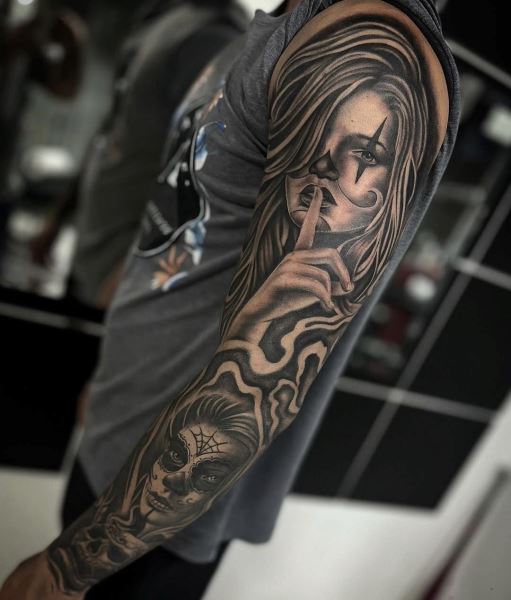
Q: In your opinion, what is it about your
technique or artistic vision that catches the eyes of the judges in
these high-level competitions?
A: I believe judges notice intention. Strong composition, clean
execution, and tattoos that respect anatomy and longevity tend to
stand out, as seen in my multiple wins at events with national
reach, like the Sandy Tattoo convention series.
Q: At what point in your career did you feel you had reached
a level of mastery where you could begin teaching others?
A: When students started asking not just how to tattoo, but why I
make certain decisions. Teaching forced me to understand my own
process deeply. I've since taught seminars to over 200 artists
across Brazil, with many going on to win awards themselves.
Q: What is the most important piece of advice you give to
professional artists who attend your seminars to learn your realism
techniques?
A: Master the basics before chasing style. Light, contrast, and
control are universal. Style comes later. This advice stems from my
experience organizing at conventions, where foundational errors
often disqualify entries.
Q: What was the 'turning point' that made
you realize your art had a global demand, specifically in the United
States?
A: The turning point came when my work started receiving
international recognition and clients from outside Brazil began
reaching out. This included invitations to U.S. conventions and
features in American tattoo media. I realized that realism speaks a
universal language, and that my artistic vision could connect with
audiences globally, including in the United States.
Q: How has the American tattoo community received your work
compared to the scene in Brazil?
A: Brazil has a very strong tattoo culture, especially in artistic
creativity and technical skill. What attracts me to the American
tattoo industry is its high level of professional structure, safety
standards, and appreciation for large-scale, long-term work. My
participation in U.S.-style events, like online collaborations, has
been met with positive feedback for my realism expertise. My goal is
to bring my realism background and artistic discipline into that
environment.
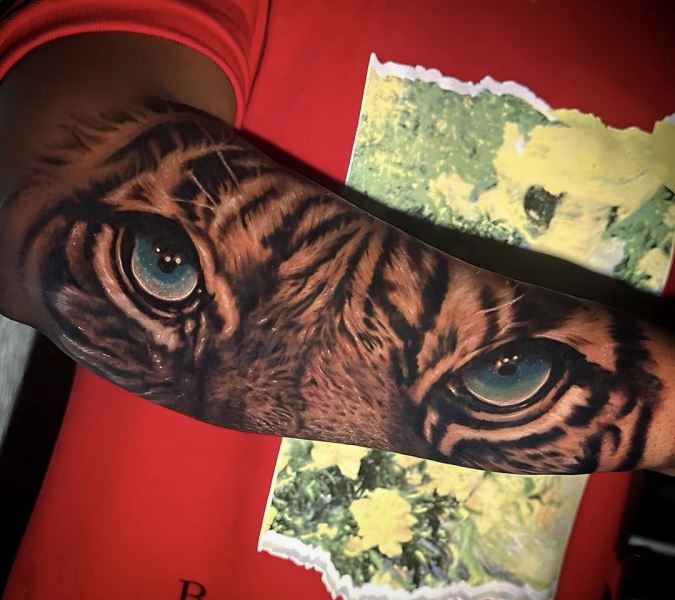
Q: As you look toward a permanent career
in the U.S., what is your 'grand vision'?
A: My vision is to establish myself permanently in the United
States, contribute to the realism tattoo community, elevate artistic
standards, and create meaningful work that lasts beyond trends. This
includes working a studio in Salt Lake City and collaborating on
large projects with U.S. artists.
Q: How do you plan to elevate the standard of realism in the
American tattoo industry over the next few years?
A: Through education, ethical tattooing, and pushing for longevity
over instant results. By hosting seminars and judging at U.S.
conventions, I aim to share techniques that have earned me
international awards.
Q: You’ve spent time working in Salt Lake City and other
U.S. hubs. How does the professional 'studio culture' in America
compare to Brazil? What high standards of safety, professionalism,
and artistry are you bringing from your international experience to
your future American workspace?
A: Although I have spent time visiting studios, conventions, and
building professional relationships in the United States, I have not
yet worked here. I am currently in the process of transitioning my
career to the U.S. through the proper legal channels. From my
observations and interactions, American studio culture places a
strong emphasis on safety standards, professionalism, and client
experience. My goal is to combine those high standards with the
artistic discipline, realism techniques, and international
experience I developed over many years in Brazil, including my role
in organizing events like Expo Tattoo Zero14, which emphasized
safety and innovation.
Q: Are you looking to collaborate with
American brands or perhaps judge at U.S. conventions like the
'Villain Arts' tours?
A: Yes, I’m open to collaborations and judging opportunities when
aligned with my values and schedule. I've already organized
Brazilian events with international participants, preparing me for
U.S. tours like Villain Arts.
Q: Is there a specific 'American' theme or iconic piece of
U.S. culture that you want to tattoo once you are there permanently?
Perhaps a portrait of a legendary American figure or a landmark that
you want to interpret through your specific Black & Gray lens?
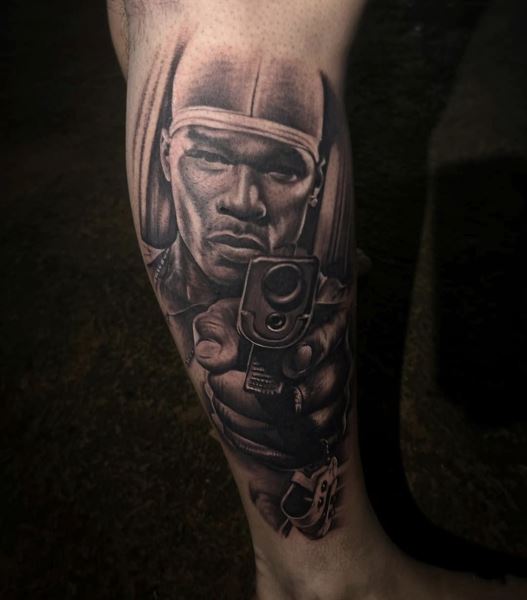
A: I’m especially drawn to American hip-hop culture and the powerful
figures who shaped it. I love tattooing portraits of legendary
American rap artists because their stories, expressions, and impact
translate incredibly well into black and gray realism. One of my
long-term dreams is to create a full arm or leg sleeve composed
entirely of portraits of iconic rap figures, telling a visual story
of influence, struggle, and legacy through realism.
Q: When you eventually finish your career
many years from now, what do you want the 'Danilo de Souza' legacy
to be in the world of art? Is it the awards you've won, the students
you've taught, or the specific way you pushed the boundaries of
realism?
A: I want to be remembered for integrity, teaching, and pushing
realism forward, not just awards. With over a dozen awards and
hundreds of students mentored, my legacy is in elevating the craft
globally.
Q: Please write down your studio location and website/social
media links. Also let us know if you are available for bookings.
A: Currently based in Brazil and in the process of relocating
professionally to the United States. My portfolio and work are
available online through my social media platforms: Instagram
@dantattoo801, Facebook Danilo Barreto. I am available for bookings
in accordance with my professional schedule and legal authorization.
Instagram, features my award-winning portfolio and seminar schedule.
Q: You’ve reached a level of success many dream of. What is
one thing you would tell a young artist in Brazil who is just
starting out and looks up to your journey to the United States? What
is the 'secret ingredient' beyond just technical skill?
A: Patience and discipline. Talent opens the door, but consistency
keeps it open. This mindset helped me organize successful events
like Expo Tattoo Zero14, which generated over R$80,000 in revenue
across editions.
Interview: 09/02/2026
Date: Magnus Karlsson


