
Interview with Eonsoo Kim
Hello Eonsoo Kim! Thank you so much
for taking the time to do this interview. We really appreciate it.
To begin, could you please share a bit about yourself and your
background? We're especially interested in hearing about your
earliest influences and what first sparked your interest in the
arts.
Hello, I’m Eonsoo Kim. I have long held a deep interest in the arts
and have steadily built my expertise over the years. For me, art is
more than a hobby, it is a vital part of life. My early curiosity
about visual arts gradually evolved into a dedicated focus on
tattooing. I find great meaning in expressing myself through art and
connecting with others through this medium.
Q: At what point did you recognize that art was your true
calling and that you should commit to honing your abilities?
A: My interest in art gradually transformed into a clear goal as I
gained experience and practiced consistently. Through various
trials, I found my own creative direction, which helped me recognize
that art is a significant calling in my life. Since then, I have
devoted myself to honing my technical skills and artistic
expression, especially within the field of tattooing.
Q: When tattooing came into the picture?
A: Tattooing presented itself as a natural extension of my interest
in visual art. I was drawn to it because it offers both technical
challenges and direct interaction with clients, making it a
compelling form of artistic expression. While there wasn’t a single
defining moment, I recognized early on that tattooing was an
important medium for realizing my artistic vision, which led me to
focus on it seriously.
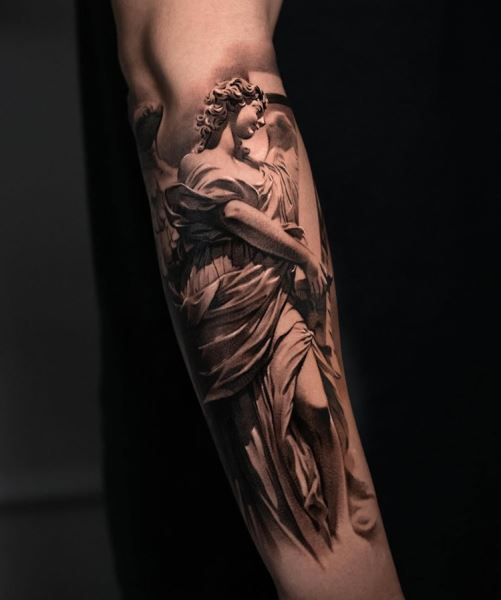
Q: As a beginner, what styles of tattoos did you typically
create? How long was it before you felt truly confident in your
skills and started attracting a steady clientele?
A: In the beginning, I experimented with various styles to build a
solid foundation in technique and expression. I particularly focused
on styles that emphasized line work and shading. It took several
years of consistent practice and experience before I gained
confidence and established a reliable client base.
Q: What was the biggest challenge you faced transitioning
from a beginner to a professional artist in a tattoo studio?
A: Beyond improving my technical skills, the biggest challenges
involved communicating effectively with clients, managing
expectations, and adapting to the working environment. Balancing
artistic quality with client satisfaction required continuous
self-improvement and openness to feedback.
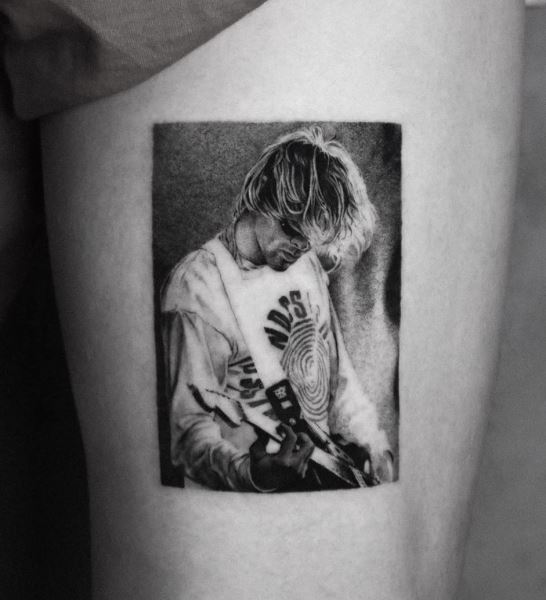
Q: You specialize in realism, your portfolio is truly
impressive! What drew you to this specific style as your creative
direction?
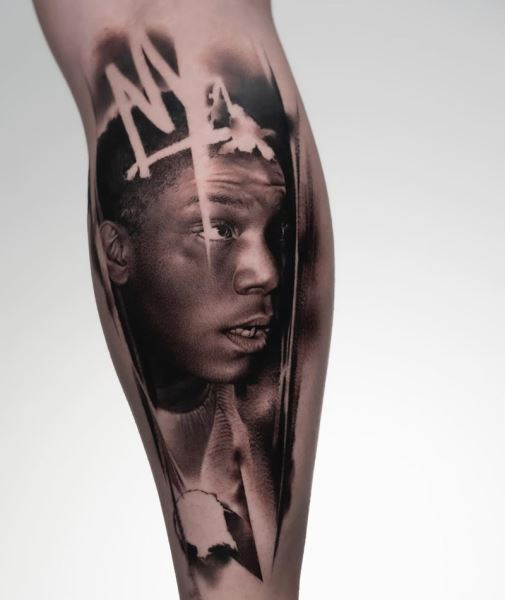
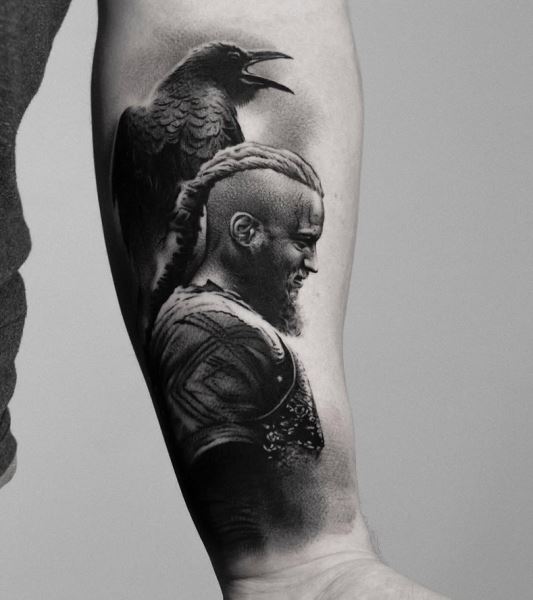
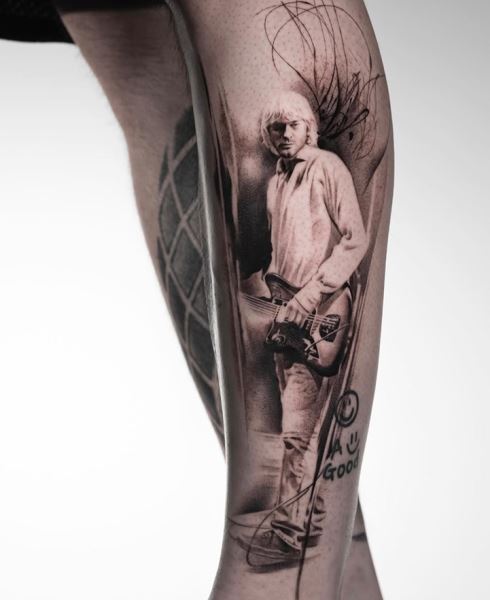
A: Realism demands the highest level of precision and detail, which
allows me to fully utilize my technical abilities. I focus on
conveying the essence and emotions of the subject matter
realistically, aiming to show that tattoos can be more than
decoration, they can tell meaningful stories and preserve memories.
Q: Will you experiment with color tattooing?
A: Color tattooing expands the possibilities of expression, and I
recognize its importance. When the time is right and I have attained
the necessary proficiency, I plan to explore color work to broaden
my creative range.
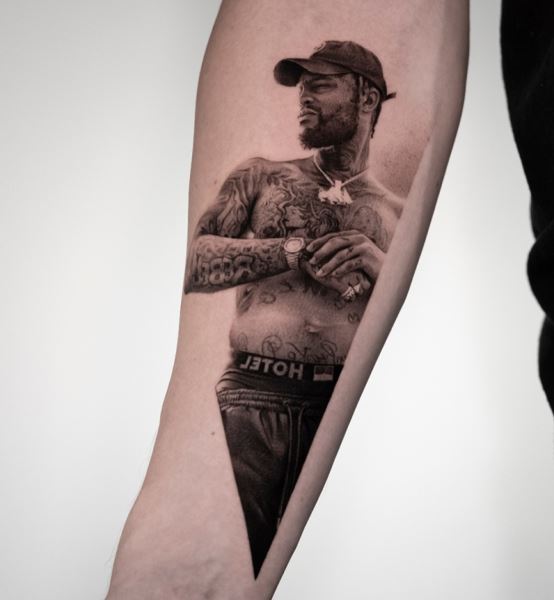
Q: I'm fascinated by precision and the details in your work.
How do you approach creating your designs? Is it a process of
numerous preliminary sketches, or do you finalize the design in
collaboration with your clients on the day of their session?
A: My process is based on close collaboration with clients. I
prepare preliminary sketches to establish the core design concept,
while allowing room for adjustments during the session to
accommodate client feedback. Multiple drafts help me refine the
design and ensure it aligns with the client’s vision.
Q: Do you have any favorite tattoo you did that was a bit
challenging creatively and technically but it turned out really
great in the end?
A: Rather than a single favorite piece, each challenging project
holds special significance for me. I find great satisfaction in
works that demand both technical skill and artistic refinement, as
these experiences contribute to my continual growth.
Q: When creating a portrait tattoo, which specific elements
or features typically present the greatest challenges and require
the most time?
A: The most difficult aspects are accurately capturing subtle
expressions, especially the eyes and skin tones, as these define the
lifelike quality and emotional impact. Considerable time is devoted
to rendering facial contours and shading to maximize realism.
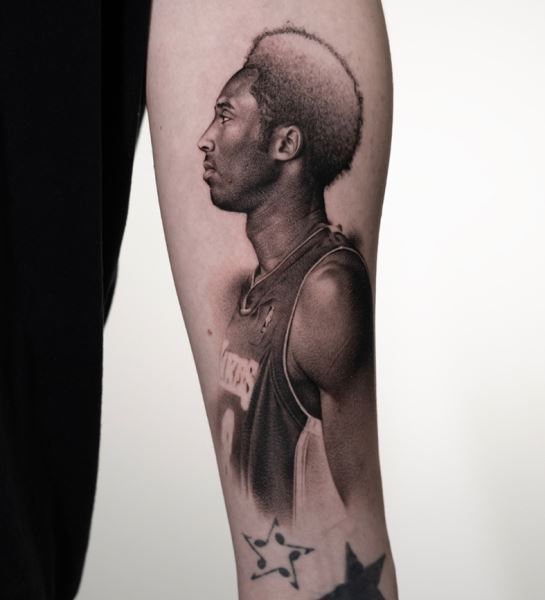
Q: To what extent does tattoo realism, despite its focus on
perfect resemblance, allow for an artist's unique creative
interpretation and expression?
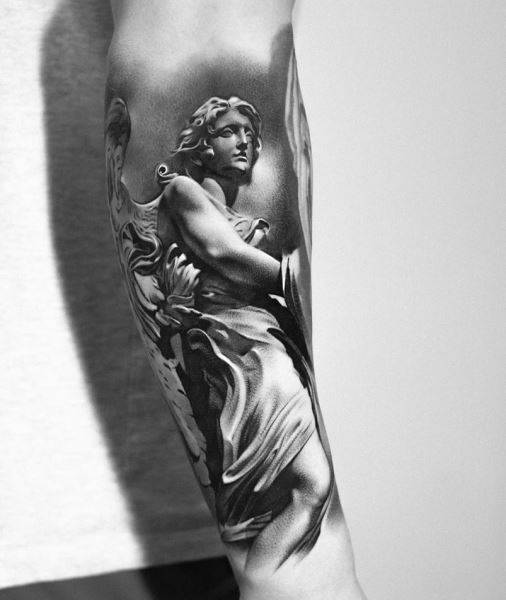
A: Although realism emphasizes faithful reproduction, there is room
for the artist’s interpretation through choices in lighting,
shading, and composition. These elements allow the artist’s
individuality to shine, adding depth and originality to the work.
Q: Clients often come with unique ideas for their tattoos.
How much are you willing to negotiate and adapt your artistic vision
while still maintaining your distinct style?
A: I always maintain an open mind to clients’ ideas and feedback,
respecting their individual wishes. However, if a request
significantly conflicts with my artistic integrity and style, I
communicate openly and may suggest they consider another artist.
Mutual trust and dialogue are essential to creating unique,
meaningful tattoos.
Q: I'm really impressed by the seamless, painting-like look
of the tattoos in your portfolio. What methods or approaches do you
use to create that effect?
A: I employ subtle shading and gradient techniques, layering
delicate touches to replicate brushstroke-like textures. I
experiment continuously to achieve natural flow and texture,
carefully balancing tones and colors to create a seamless painterly
effect.
Q: Your work often draws inspiration from mythology and
classic literature, which is fascinating. Would you ever be
interested in reinterpreting a renowned painting or digital artwork
by another artist in your distinctive tattoo style?
A: I have great respect for the broader art world and would be very
interested in reinterpreting famous artworks in my tattoo style.
This approach bridges tradition and modernity, breathing new life
into classic images through tattoo art.
Q: Given the demands of consistently delivering
high-quality, custom work, are there occasions when you experience
creative blocks or encounter challenges in meeting client
expectations?
A: Creative challenges do arise, including limitations in ideas or
technical hurdles. I overcome these through ongoing self-development
and open communication with clients and peers. Meeting client
expectations remains a strong motivator.
Q: The tattooing process often involves very personal and
vulnerable moments for clients. How does being part of these
intimate experiences impact you, and does it shape your artistic
approach?
A: Building deep trust with clients is very important to me. These
intimate experiences instill a strong sense of responsibility and
gratitude, inspiring me to express sincerity and care through my
work.
Q: What's your take on the local tattoo scene? Are you
seeing any exciting developments, like new artists, styles, or
events?
A: The local tattoo scene is vibrant and growing, with a diverse
range of styles and emerging artists contributing to positive
developments. Events and conventions are fostering greater community
cohesion and artistic exchange.
Q: What about the global tattoo scene? Do you think we are
heading in a good direction?
A: The global tattoo community is evolving rapidly, blending
cultures and styles. I believe the field is advancing positively in
both technique and artistry, with growing professionalism and
diversity.
Q: How often do you attend tattoo conventions? In your
experience, how valuable are tattoo conventions for artistic growth
and building client relationships?
A: I maintain a steady interest in tattoo conventions and make
efforts to participate whenever possible. These events are excellent
opportunities to stay updated on trends, network with fellow
artists, and build relationships directly with clients.
Q: What about guest spots? Have you ever worked as a guest
artist in another studio either locally or in a foreign country? If
so, what was the experience?
A: I have been invited as a guest artist at several studios
domestically, which allowed me to experience different working
environments and cultures. These opportunities have been very
positive, enhancing my professionalism and providing valuable
artistic inspiration through exchanges with other artists.
Q: Considering the diverse and prominent tattoo scene in
America, is that a landscape you'd be interested in exploring
professionally in the future?
A: The U.S. is one of the world’s major tattoo markets, with diverse
styles and strong competition. If the opportunity arises, I am eager
to further develop my skills and embrace new challenges there.
Q: Considering a move to the American tattoo scene, what
specific location and studio ethos do you envision would be most
conducive to your continued artistic development?
A: I prefer major cities with active art communities and innovation.
A studio environment that respects individuality and fosters
collaboration would be ideal for my growth.
Q: Please write down your studio location and website/social
media links. Also let us know if you are available for bookings.
A: I operate a private studio located in Gangnam, Seoul. Bookings
are available through my Instagram account @vancurlytattoo, where
you can find examples of my work and get in touch via direct
message.
Q: How do you envision contributing to the tattoo community?
A: I aim to contribute through consistent artistic practice and
education. Participating in workshops and events allows me to have a
positive impact and help foster communication that advances both
artistry and technical skills within the community.
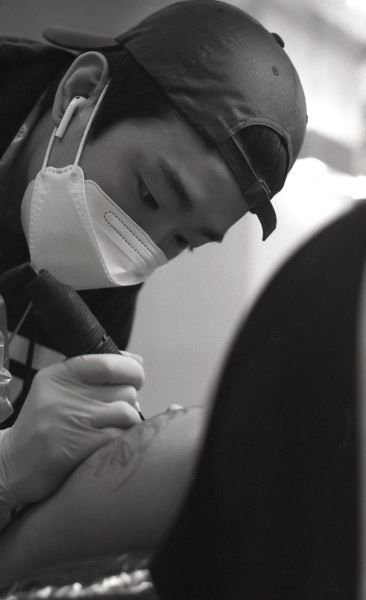
Q: If you could offer your younger self advice about
starting a tattooing career, what would it be? And what guidance
would you give to aspiring tattoo artists today?
A: Patience and persistent practice are essential in the beginning.
It’s important not to fear experimentation as you seek your unique
style and philosophy. To aspiring artists today, I emphasize not
only technical skill but also the importance of communication and
artistic integrity. Continuous growth and an open mindset are key to
success.


