
Interview with Italo Nanais
Hello Italo Nanais, it's a pleasure to
have you with us for this interview! To begin, would you mind
sharing a bit about your journey as an artist and your background?
We are particularly curious to know if your artistic path has been
primarily self-directed. Hello, My name is Ítalo Islan, but
I’m known as Ítalo Nanais. I have a high school diploma and I’m
originally from Ipatinga, a city in the state of Minas Gerais,
Brazil. Since I can remember, I’ve always been fascinated by drawing
and creating my own toys. As a teenager, I turned to graffiti as a
form of expression and fell in love with the adrenaline and
creativity it brought. At 18, I moved to Portugal, where I continued
with graffiti. Among my graffiti friends, one of them showed me how
to build my own tattoo machine and that’s where my tattoo journey
began. Even though I only had basic art education from school, I
consider myself self-taught because I’ve always developed my own
techniques and ways of working.
Q: Italo, could you share with us the story of how and when
tattoo art became a significant part of your life?
A: When I was 18, I moved to Portugal on my own to seek a better
life. I kept doing graffiti until a friend showed me how to make a
tattoo machine. I started offering tattoos to close friends. It
wasn’t professional, I was working construction and other jobs on
the side. One day, I had a chance to work in a studio, but it didn’t
go very well. I went back to tattooing at home, but from that
moment, I started to believe things could change for the better.
Later, I opened my own studio but faced many challenges that made me
question whether I should keep my own space or join a studio with
more experienced artists. Since then, tattooing became not just a
job, but a lifestyle. After opening my studio, I was invited by my
good friend and amazing artist Johnny Mesquita to join the Domus
team. From that point on, I started doing guest spots in other
studios and attending conventions around the world. Even after 18
years in the industry, I still feel like I have a lot to learn.
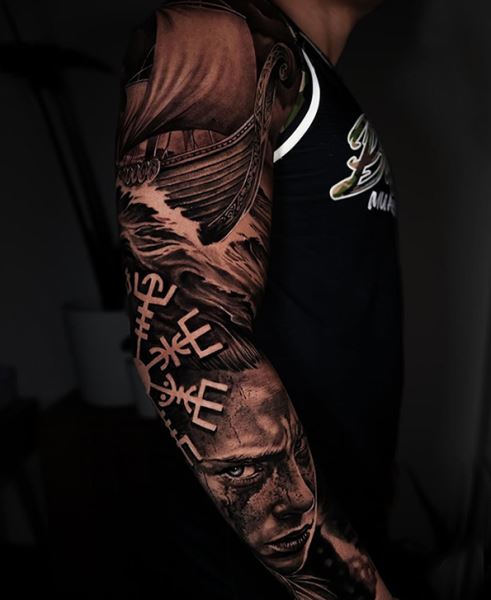
Q: Becoming a skilled tattoo artist involves navigating
numerous challenges. Looking back at your journey, what aspect of
the process did you find the most demanding, whether it was gaining
access to a professional studio environment or cultivating a
distinct and recognizable artistic style?
A: I’ve faced many challenges throughout my career. I can’t really
say one was harder than the other, they all pushed me in different
ways. One of the biggest challenges is finding a unique and original
style. Some artists manage to find it, but with the demands of
today’s world, we drift away from it.
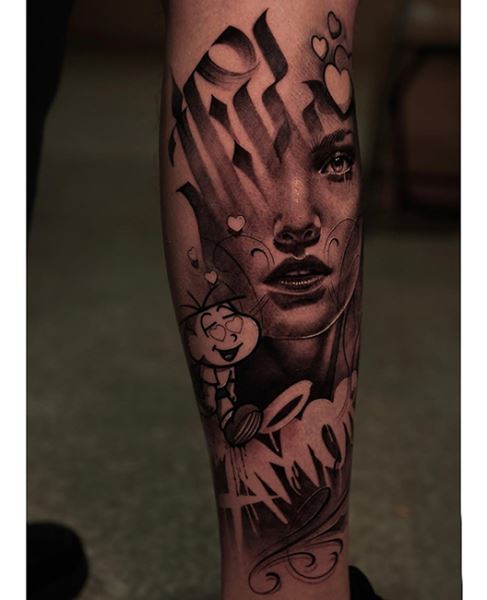
Q: The tattoo realism style is clearly a
significant part of your artistic identity in tattooing. How do you
see your creative direction evolving? Do you anticipate your work
remaining primarily within this style, or is there a possibility of
exploring other tattoo styles as your career progresses?
A: Right now, I mix realism, lettering, and dotwork. But I also work
with other techniques outside tattooing, like painting and graffiti.
I feel like I’ll change again soon. That’s how it’s always been for
me. I’m never satisfied doing the same thing. I’m always looking for
new challenges. I’ve gone through traditional surrealism phases and
now blend it all into my work. But there’s still so much more I want
to evolve.
Q: What draws you specifically to tattoo realism? What
aspects of this style do you find most compelling or rewarding?
A: I use realism techniques, but my work goes beyond that. I’m
fascinated by the impression that realism creates. Today, thanks to
the materials and technology we have, I can create a level of
realism that wasn’t possible for me 18 years ago. It’s very
rewarding to see a piece and know I developed it all on my own.
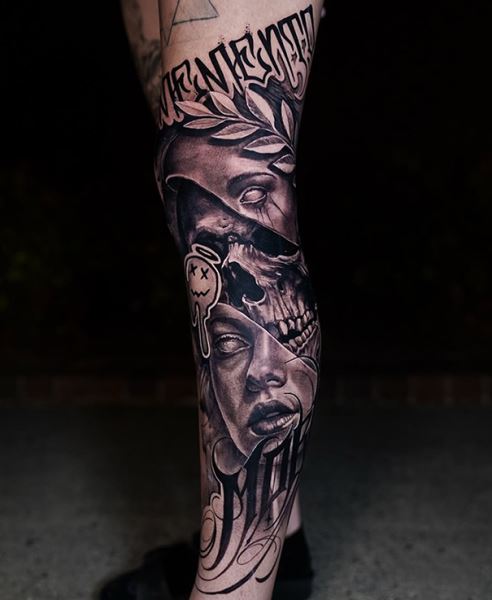
Q: How integral are foundational drawing abilities to your
process of developing unique, personalized designs?
A: I’ve always drawn everything and tried to learn a bit of
everything, from street tagging in São Paulo to New York bombs. I
love drawing with graphite pencils in black and gray, but I also
enjoy oil and acrylic painting. I believe the combination of all
these influences is what makes my work unique.
Q: Could you walk us through your creative process when
collaborating with clients on a tattoo? I'm also interested to know
how you approach incorporating their ideas while maintaining your
artistic vision. What's your perspective on finding that balance and
how far are you willing to explore a client's suggestions while
staying true to your personal style?
A: Early in my career, I believed I had to stick only to my own
ideas. But over time, I realized that simple suggestions from
clients could turn into powerful pieces. I’m always open to
listening and honest about what I think works or not. I’m also
curious and love experimenting. My creative process is based not
only on images but also on the client’s stories and perspectives.
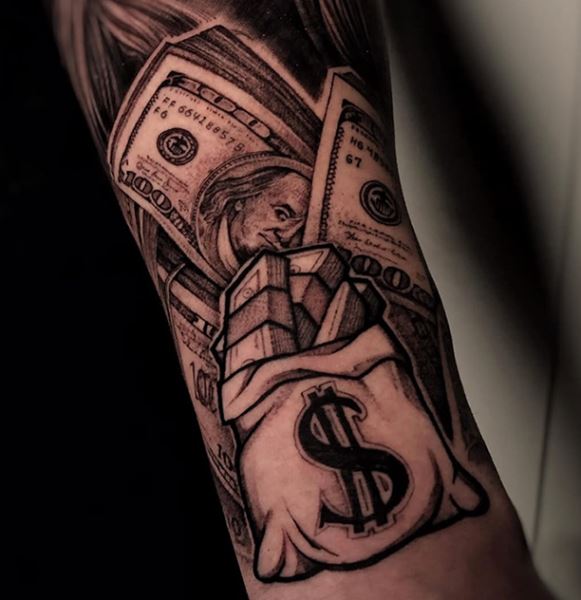
Q: Your work beautifully blends elements
of realism and surrealism, creating a truly captivating aesthetic.
Could you delve into the creative process and the inspirations that
fuel this unique fusion in your art?
A: Sometimes, surrealistic work needs to be more expressive than it
is beautiful. When you manage to combine both, it’s amazing. I’ve
studied past surrealist artists like Max Ernst, René Magritte, and
Salvador Dalí. I also love Freud’s approach, how memories from the
past can help shape your present and future.
Q: On a different note, what would you consider the most
original or unconventional design you've had the opportunity to
bring to life?
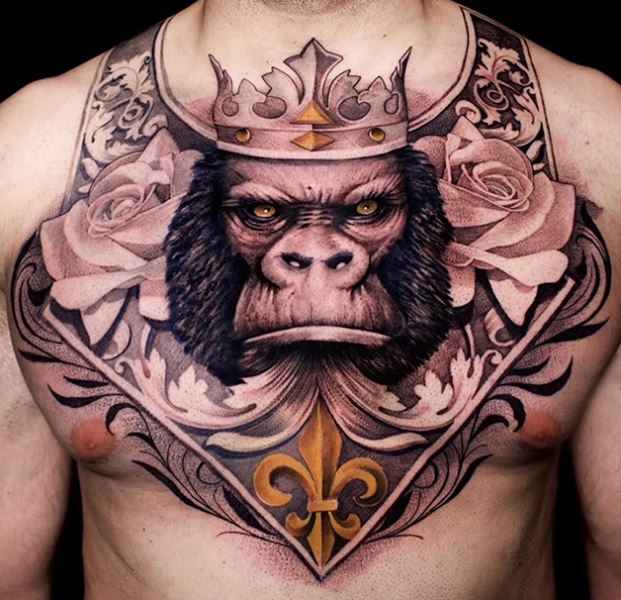
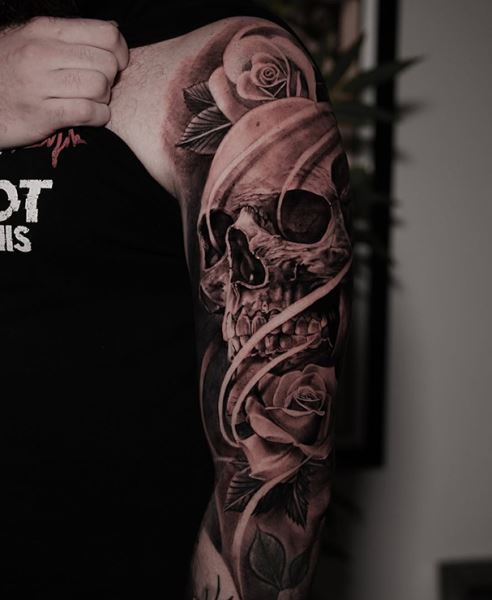
A: I’ve created many designs from my own imagination, often
alongside clients, giving new symbolism to existing elements. I
remember one client who wanted a simple compass to represent his
journey. When I asked him to tell me more about his story, I
realized we had similar life experiences, a man traveling the world,
evolving, but always holding the desire to return home. That’s what
the tattoo ended up expressing.
Q: Looking back at your time as a tattoo
artist, could you share some of the most memorable or impactful
experiences you've had with clients? Perhaps some interesting
stories or profound insights you've gained during your sessions in
the studio?
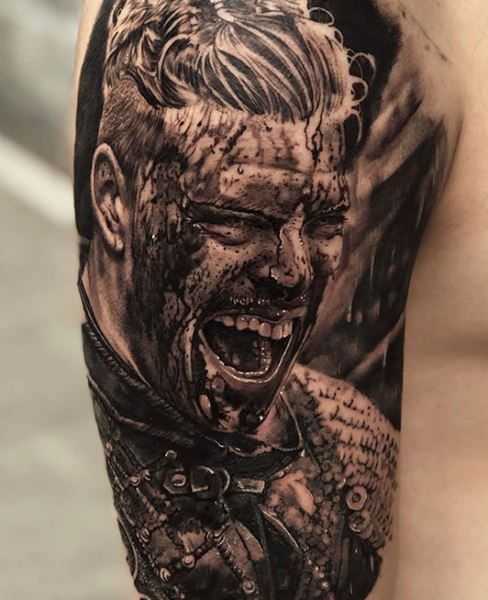
A: I’ve had many fascinating experiences with clients who chose
surrealist tattoos. One that stands out was a young woman from a
wealthy background who wasn’t happy with the luxury gifts she
received from her parents. She felt judged by her appearance and
lifestyle. During our session, she told me she had sold many of
those luxury items to pay for the tattoo. She wanted sweets tattooed
on her arm, a response to her family’s criticism of her love for
sweets and her body. Coming from a more humble background, I
realized that what really matters isn’t financial status, but the
support and acceptance of who you truly are.
Q: There's a perception among many that
entering the tattooing profession is a straightforward process.
However, it's clear that this art form demands significant
sacrifice, time, and unwavering dedication, even for those with
exceptional talent. Could you share some of the ongoing challenges
you still encounter in this business, despite your extensive
experience?
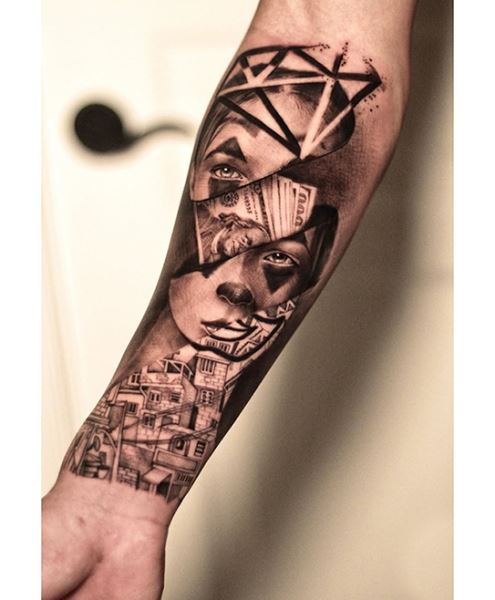
A: Many people confuse “tattooing” with “living off tattooing.”
Today, starting a career in tattooing seems easier, especially with
the illusion of success on social media. But the journey is full of
challenges: artistic pressure, bureaucracy, lack of personal time,
traveling, and the constant drive to be unique. Managing a studio,
dealing with thousands of different people and opinions, can be
overwhelming. Still, I couldn’t imagine doing anything else. I’m
grateful for everything tattooing has given me-the clients who
trusted me from the beginning, the chance to travel to over 25
countries, and to provide the best for my family. I feel nothing but
gratitude.
Q: In addition to your personalized
designs, do you keep a library of preliminary sketches or design
ideas that clients might find helpful in visualizing their tattoo
concepts?
A: Whenever I have free time, I love creating new designs. It’s a
way of releasing emotions and expressing myself in that moment. I
have tons of designs ready, and sometimes a client falls in love
with one even before we meet.
Q: When working on a realistic portrait tattoo, what are
some of the most intricate and time-intensive details you focus on?
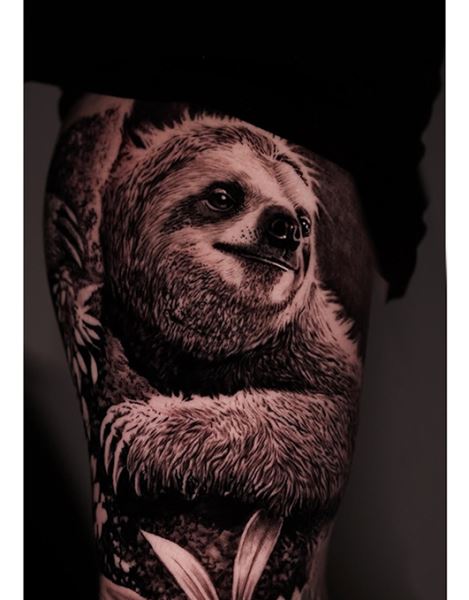
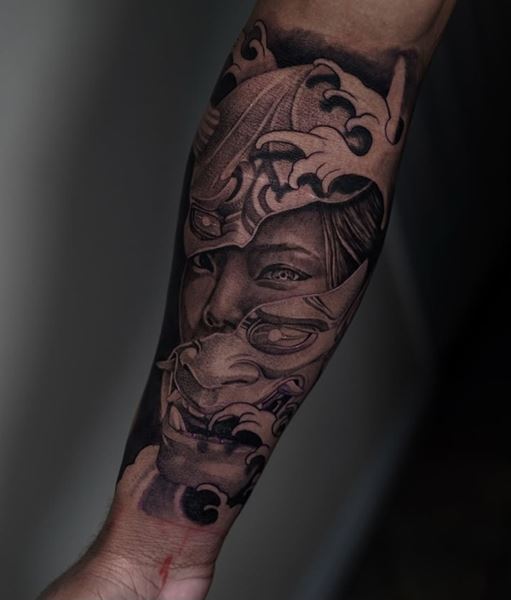
A: I approach portrait tattoos evenly, I don’t like focusing on one
area more than another, because it creates imbalance. But I do get a
lot of compliments on the eyes. People often say the portraits feel
alive, like the eyes are looking at them and I hear that a lot!
Q: Considering those longer tattoo
sessions, what's the record for your longest single sitting with a
client? How do you help to keep clients comfortable and ease any
concerns they might have about potential discomfort during an
extended session?
A: I always explain the full process to clients before starting a
large piece, from the initial concept to the aftercare. Health,
comfort, and the client’s well-being are my priorities. I keep the
studio clean and organized to make clients feel safe. I try to
finish specific areas to avoid reworking the same spot, and I also
take breaks and switch positions even if the client doesn’t ask.
These little things help both body and mind relax. I also ask what
kind of music or movie they want during the session. I want each
client to leave with a positive and memorable experience.
Q: As collaborative tattooing gains
popularity, are there any artists whose distinct style or approach
you find particularly compelling, and with whom you'd be interested
in exploring a shared creative venture?
A: There are many incredible artists I admire, but I’d be honored to
collaborate with names like Carlos Torres, Mister Troshin, Big
Sleeps, and others.
Q: Beyond your work, are there any hobbies or creative
pursuits you're passionate about, such as painting or digital art?
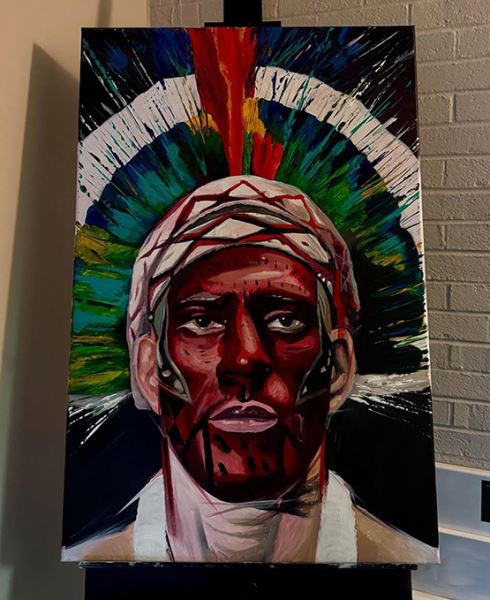
A: I actively practice Jiu-Jitsu - I’m currently a brown belt. I
still do graffiti, paint on canvas, and make music (rap). I released
an album four years ago, and this year (2025), I’ll be releasing a
new one that tells the story of an independent artist traveling the
world through his art.
Q: To allow our audience to connect with
you, please provide your studio location, website, and social media
links. Finally, kindly let us know if you are currently accepting
new bookings.
A: My studio is based in Ipatinga, Brazil, but I’m currently living
in Framingham. I’ve done guest spots in New York, Las Vegas, Miami,
and Hawaii, and I continue attending conventions. You can follow me
on Instagram, I’m always posting updates and new projects.
Q: What are your observations regarding the local tattoo
community? Are you witnessing any significant developments, such as
the rise of new artists, evolving styles, or innovative events?
A: With tattooing becoming more popular and the rise of social
media, the industry has grown fast. New studios and artists are
popping up more than ever. I see this as a good thing. I don’t view
others as competition, but as partners. And as far as I’m concerned,
we’re all growing together.
Q: How often do you attend tattoo conventions? In your
experience, how valuable are tattoo conventions for artistic growth
and building client relationships?
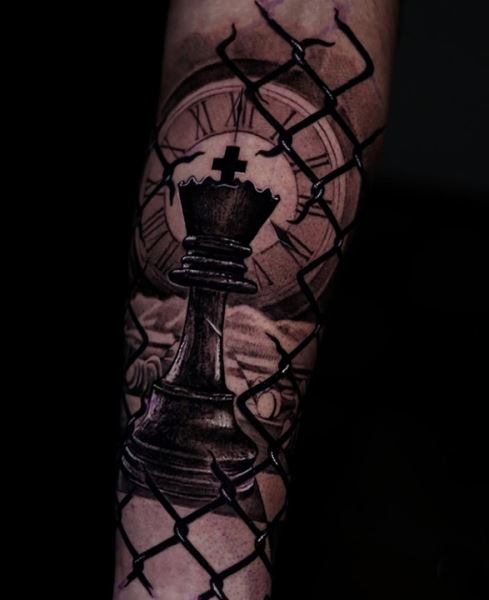
A: I’ve attended many conventions around the world as both an artist
and a judge. I’ve won multiple awards, given workshops in Brazil,
Chile, and Mexico, and was awarded in conventions across Europe and
the U.S. My most recent award was just a few months ago at the
Boston convention. I won Best of Day. Currently, I attend around
five to eight conventions per year, though I used to do more. I
believe it’s essential for artists to attend these events, for
networking, discovering new products, seeing other artists’ work,
gaining opportunities, and challenging yourself.
Q: What about guest spots?
A: Over the years, I’ve built a strong network and now do guest
spots in several places. I’m currently working at Inkology in New
York, Chapel in Miami, Tattoo Licious in Hawaii, RT9 Tattoo in
Boston, and Alluring Arts in North Carolina. I’ve been welcomed with
great hospitality and feel secure in all of them. I’m always open to
exploring new studios and opportunities.
Q: Are you sponsored or collaborating with any tattoo
brands?
A: I’m currently sponsored by Rexpeita and CNC, but I’m open to new
collaborations, especially since I’ve only been in the U.S. for a
few months.
Q: How has your passion for tattooing manifested and evolved
throughout your career? Have you experienced a consistent level of
enthusiasm, or has it deepened and transformed over time?
A: My passion for tattooing has gone through different phases. At
times, it felt more like discipline, practicing techniques I already
knew. Other times, it was full of excitement, trying new techniques,
meeting new artists, or even moving to a new country to evolve. But
over time, that passion has only grown stronger.
Q: If you could go back and give your younger self advice
about pursuing tattooing, what would it be?
A: The only advice I’d give my younger self is: Don’t give up.
Believe. Time is a higher force that brings everything at the right
moment - for those who are prepared.


