
Interview with Jace Holden
Hello Jace Holden! Thank you so much for
taking the time to do this interview. Please start by telling us
something about yourself and your background. What sparked your
initial interest in art? Art was always an interest of mine
from a young age. Some of my earliest memories were of my dad
drawing pictures for me and I would colour them in. I guess over the
years it just developed into passion for tattooing and once I was
about 13 I knew it was all I wanted to do with my life.
Q: Tattooing is a challenging skill to master. Can you walk
us through those initial steps? Did you pursue a formal
apprenticeship, and if so, what was the most valuable, yet
difficult, lesson you learned during that time?
A: I did things the very traditional way, put together a portfolio a
went into many shops and tried my luck. I got turned away about five
times before I secured a spot somewhere. It sounds cliche but the
most valuable lesson I learnt early on was simply just not giving up
and if it’s meant to happen it will. As disheartening as it was
getting turned away each time I wanted it more and more and it made
me work even harder to get where I wanted to be.

Q: What were some of the biggest technical
or creative hurdles you faced in your first few years, especially
given the difficulty of the realism style? How did you overcome
them?
A: Realism came very naturally to me so my initial struggle was just
how to tattoo it and get it to heal well and hold over time. The
subject matter was second nature to me but the medium was not.
Another massive thing that I didn’t know how to deal with was how
different everyone’s skin reacts to getting tattooed.
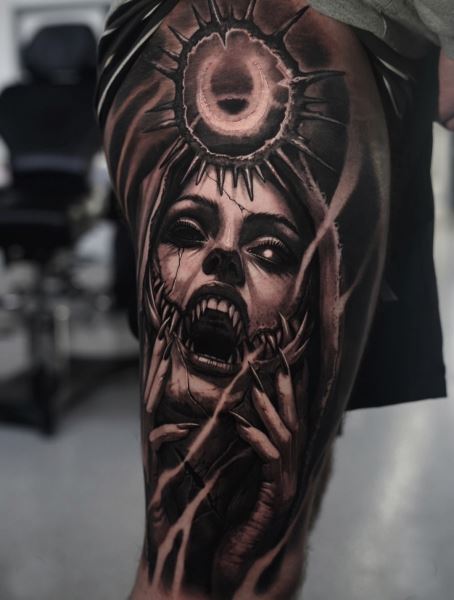
Q: Your work is deeply rooted in realism, specifically a
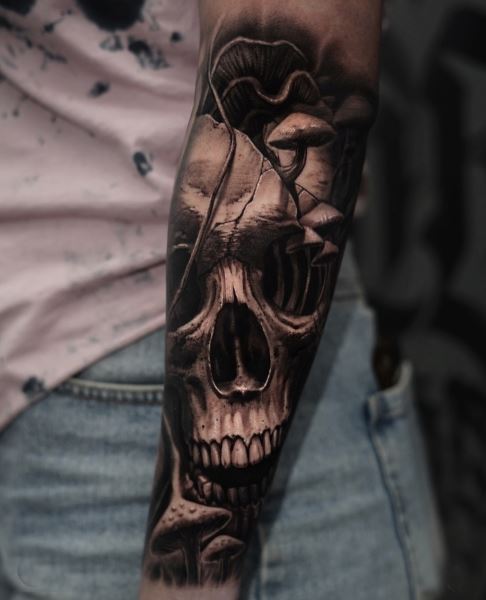
dark, often dramatic style of black and grey realism. What
originally drew you to this genre, both in art generally and then in
tattooing?
A: I’m drawn to imagery that shows some sort of emotion and makes
the viewer feel something. From a different standpoint I also love
tattoos that are readable from a distance thus my style was born.
Q: Beyond tattooing, who are some of your
biggest influences in the world of art, photography, or even film,
that you feel have shaped your visual aesthetic?
A: Carlos Torres was one of the artists who cemented it in my head
this was what I wanted to do for a career. Still to this day he is
one of my biggest inspirations both in painting and tattooing. I’m
also into comic art and Alex Ross had a similar impact on me
artistically.
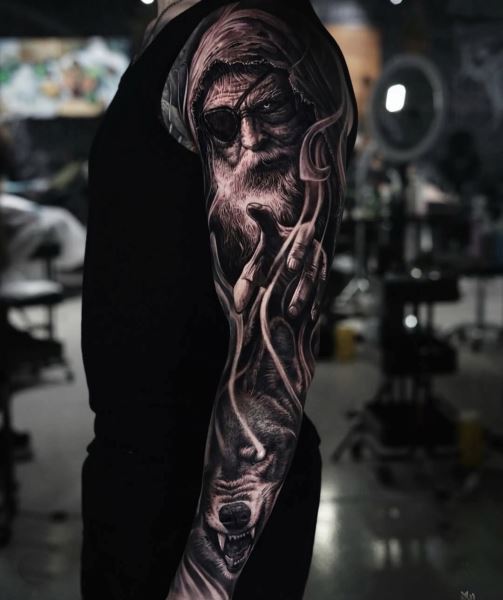
Q: Realism, especially in Black and Grey, is technically
demanding. What parts of the process, whether it's managing
saturation, skin texture, or composition on a curved limb, do you
find the most challenging or rewarding?
A: 1000% the hardest thing to do in realism is managing the clients
skin and understanding that not every bit of detail can be pulled
off on everyone’s skin. So making adjustments in your design on the
fly to still give your client the best tattoo that is possible with
their skin type.
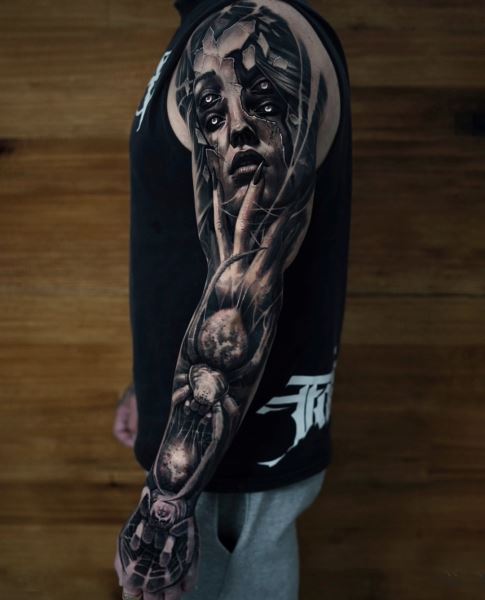
Q: Many of your best pieces are
large-scale sleeves and back pieces. How does approaching a large
tattoo differ from a smaller, single-session piece, particularly
when it comes to long-term planning and ensuring a cohesive look
over the entire area?
A: It’s honestly a very similar approach for me just using larger
needle groupings. Back pieces were difficult when I started doing
them because you really had to trust the vision and have faith it
will all come together in the end but I think I’ve gotten the hang
of this now. I’m fortunate enough to have some very trusting clients
to allow me to just do my thing which makes the planning side of
things a lot easier.
Q: When a client approaches you with an idea, what is the
most important information you need to gather during the initial
consultation to ensure you can translate their vision into your
style effectively?
A: I’d say 80% of clients I have just let me tattoo whatever I want
which is always good. Other times clients have a rough idea but also
trust my judgement. On the odd occasion where someone has a
particular vision, we have a face- to face consultation where we go
over the whole process. If it’s something quite unique I’ll ask them
to gather reference images just to give me a rough idea of where to
start.
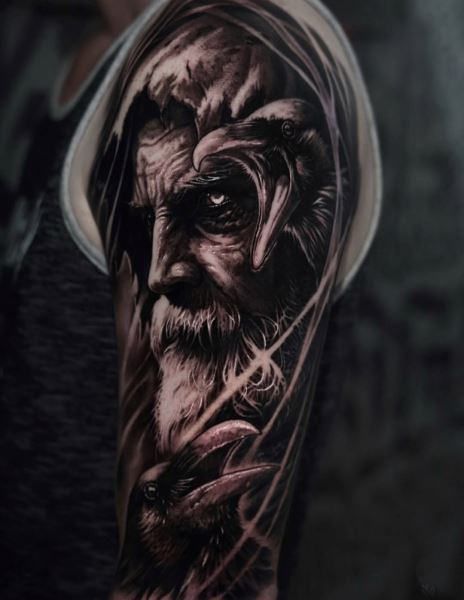
Q: Once the concept is approved, can you
briefly describe your typical design workflow? Do you sketch, use
digital design tools, photo manipulation, or a combination? And how
involved is the client in reviewing the stencils or mock-ups?
A: I do all my designing on procreate combining images together and
usually there is always an element of sketching over the top of
images to make it more unique. I then go through the design on the
day with my client where we can make adjustments.
Q: Realism tattoos can take many hours and multiple
sessions. How do you communicate the scope, time commitment, and
necessary aftercare to clients to manage their expectations for a
piece that requires so much precision?
A: I just try and be very transparent with my clients about the
timeframe that each piece will take. Obviously, time frames are
always estimates but given that I’ve been doing this for a while, I
can be pretty close with my predictions. At the end of each session,
even if they’re an regular client I always go back over my
after-care procedures to try and ensure the tattoo heals the best It
possibly can to avoid needing touchups in the future.
Q: Can you recall a tattoo that presented
the biggest challenge? What made it difficult? Was it the skin, the
placement, the detail, or perhaps a difficult collaboration? How did
you approach overcoming that hurdle?
A: When I began tattooing not as common areas such as the ribs
stomach this presented new challenges to me as the skin reacts very
differently on other areas. These areas are also extremely painful
for the client so managing that also presents its own challenges.
Q: What is the single most valuable lesson, artistic or
professional, that you learned from tackling that challenging
tattoo?
A: Just how much the stretch on the skin can make a difference for
how well the piece is tattooed.
Q: Is there a subject matter, concept, or technical element
within black and grey realism that you haven't had a chance to fully
explore yet, but are keen to take on in the near future?
A: I feel like I’ve done every subject matter in realism by now, so
I think my focus is more on developing my own style and try and be
more creative.
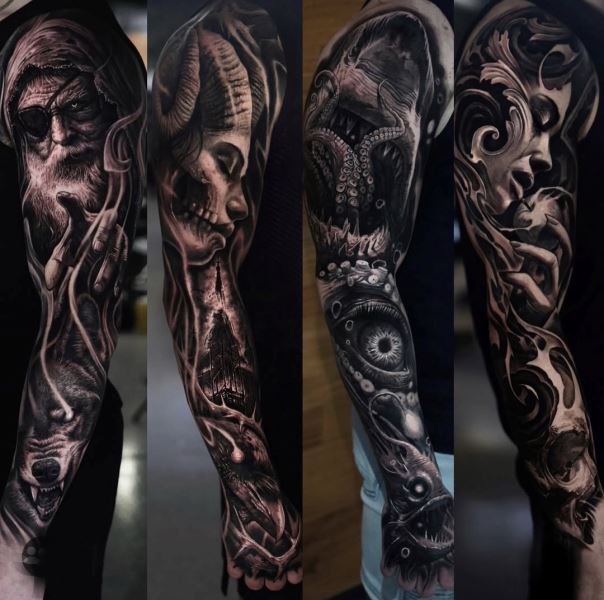
Q: Most touching client's story?
A: I tattooed a portrait of my client's mum who passed from cancer
as my 2nd portrait ever and it was also on her birthday. Seeing the
impact my piece had on this client really made me realise how much
tattooing can do for someone emotionally instead of just being a
piece of art.
Q: Considering all the hard work and dedication, what's the
most fulfilling element of your career? Is it the personal
connection with clients, the freedom of being an independent artist,
or seeing the final result of your work out in the world?
A: By far travelling and meeting like-minded people around the
world. This was one of my biggest goals getting into travelling and
finally being able to do that is extremely fulfilling.
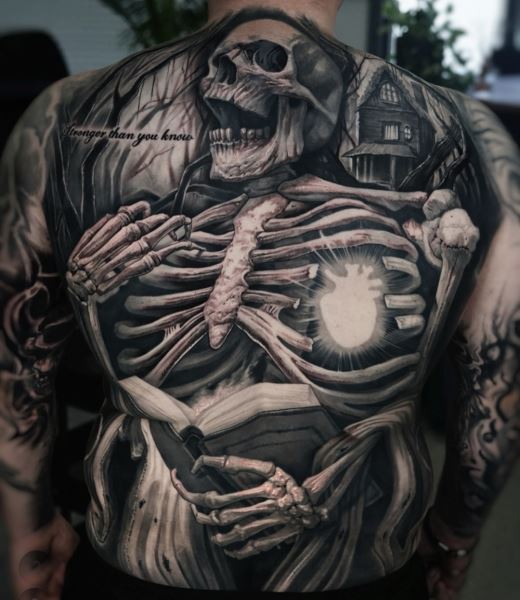
Q: Where do you see the realism style and
the broader tattoo industry heading in the next five to ten years,
and how do you plan to adapt or contribute to that evolution?
A: I think realism has been around that long that it won’t be going
anywhere but it’ll be interesting to see how the style evolves.
Q: You clearly participate in major conventions and expos.
From your perspective, what is the most significant value of
attending and working at these large events? Is it the exposure, the
networking, or the competition?
A: Definitely the networking side of things. Networking is so
important in our industry, there’s so much to learn from other
artists and so much to pass on to them as well. The exposure is also
good, but my priority is always to try and learn something new
whilst I’m there.
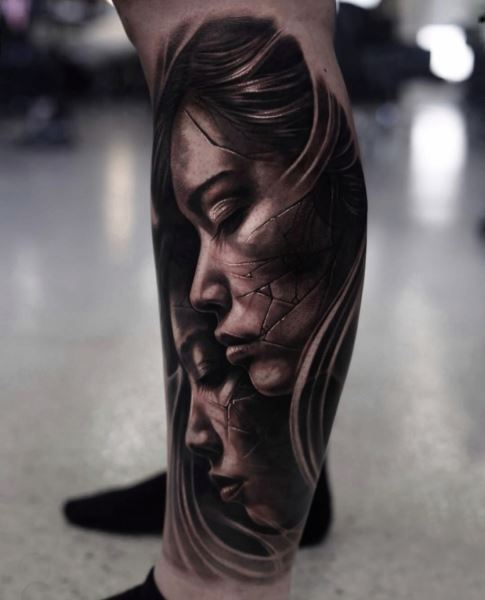
Q: Your portfolio indicates you've not
only won awards but have also served as a judge. How does
participating in the award ceremonies, both as a competitor and a
judge influence your standards for your own work and your
understanding of the current state of realism tattooing?
A: It’s great because as a judge you’re able to see everyone’s work
up close which isn’t something everyone gets to do. As a competitor
it also gives you good feedback on what you did right and what you
could have improved on. Both sides of the competition are beneficial
for different reasons.
Q: How important is it to be a sponsored artist in today's
industry, and what are the tangible benefits you experience from
these partnerships (e.g., access to new equipment, product feedback,
visibility)?
A: It helped me build a level of credibility for my work and I was
taken more seriously around the world with the sponsors I have.
Going back to the networking thing, I was also able to build
relationships with other artists sponsored by the same companies.
Being able to test and use new products is also a bonus.
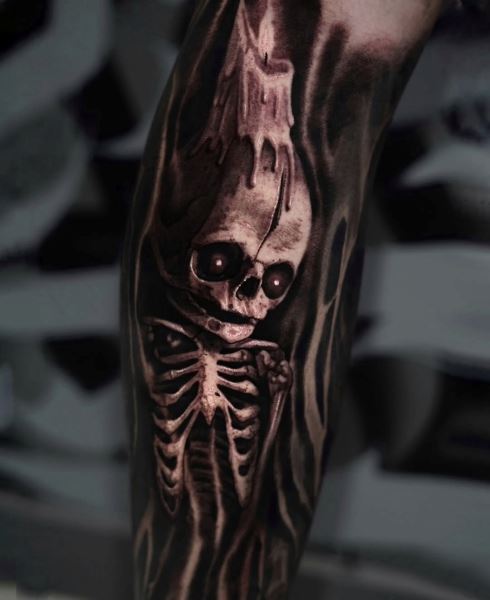
Q: When considering a sponsorship, what
key factors or qualities do you look for in a brand or product to
ensure it aligns with your artistic integrity and the quality of
your work?
A: Just a product I actually like and am passionate about. I don’t
see the point in supporting a brand you’re not already using on a
daily basis.
Q: Beyond the art itself, how has gaining a high level of
industry recognition and a strong social media presence impacted the
business side of your tattooing career, such as your booking process
or pricing structure?
A: I try my best to not let any of that stuff get to me or change
who I am as a person. My priority is always to give my clients the
best tattoo and I believe this is what has kept me so busy
throughout these tough times.
Q: How would you compare the global tattoo scene to the
American tattoo scene right now?
A: The US tends to lead the way in terms of commercial styling
trends due to media, celebrities etc so I think a lot of the trends
we see here in Australia have come from America in some way. One
thing that is consistent around the world is how much the cost of
living is effecting our industry.
Q: In terms of trends, innovation, and
technical mastery, do you see the American scene leading the way, or
are there specific countries or regions internationally that you
feel are currently driving the most compelling work in realism
tattooing?
A: There were a few expos in China and Singapore recently which has
some pieces that blew my mind. Some of these pieces made me question
what was actually possible with tattooing so in terms of who is
leading the way in tattooing these guys would definitely be on the
list.
Q: Would you consider working in the USA?
A: Yes definitely that is my next goal.
Q: If a client could only remember one thing about the
experience of getting tattooed by you, what would you want that
takeaway to be?
A: How passionate I am about what I do and how hard I work.
Please write down your studio location and website/social
media links/email.
Studio; fallen muse in Adelaide south, Australia
instagram/jaceholdenart
Interview: Ivana Kancheska
Date 01 December 2025


