
Interview with Jardel da Silva Canto
Hello Jardel, thank you so much for
accepting our invitation. It’s a pleasure to have you here and to
learn more about your story. Could you share a bit about your
journey into the world of art, including when and how you first
recognized your artistic inclinations? I’m originally from
Nova Friburgo, Rio de Janeiro, Brazil, and art has been part of my
life for as long as I can remember. As a child, I would spend hours
drawing, faces, shapes, whatever came to mind, it was very
instinctive. I realized I had a deeper connection with art around
the age of ten. I’ve always been influenced by comic book
illustrations and later by classical painters like Caravaggio, as
well as tattoo legends such as Nikko Hurtado. These influences
shaped my eye and continue to inspire me to this day.
Q: How long was the process of self-discovery and
development in tattooing?
My journey into tattooing became more serious during my teenage
years. It was a natural transition, I started tattooing friends who
trusted me with their first pieces. In the beginning, I did small
black tattoos, lettering… it was a period of intense technical
learning. Over time, I refined my skills and gravitated toward
realism. Of course, that took years of study and dedication.
Q: Looking back at your journey, what aspect of the process
did you find most demanding?
A: One of the biggest challenges was getting a spot in a
professional studio. It’s a competitive market, and earning trust
takes time. Another tough part was developing my own style, standing
out in such a talented field requires courage, constant learning,
and authenticity.
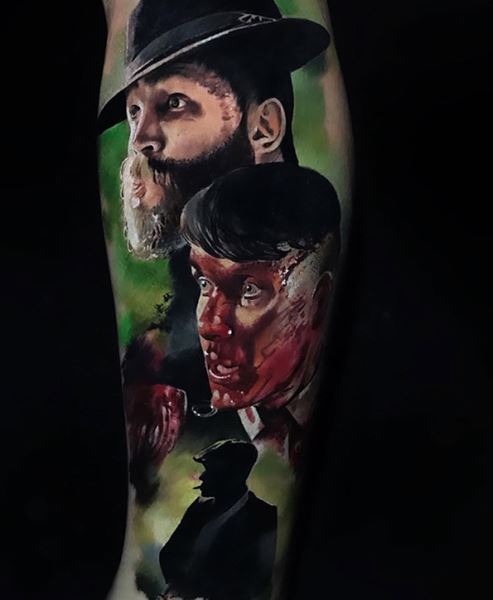
Q: How important are foundational drawing
skills in your process?
A: Basic drawing skills are essential. Everything starts on paper,
or digitally and having a solid foundation helps visualize
proportions, shadows, and composition. This is crucial for creating
tattoos that flow well with the body and maintain readability over
time.
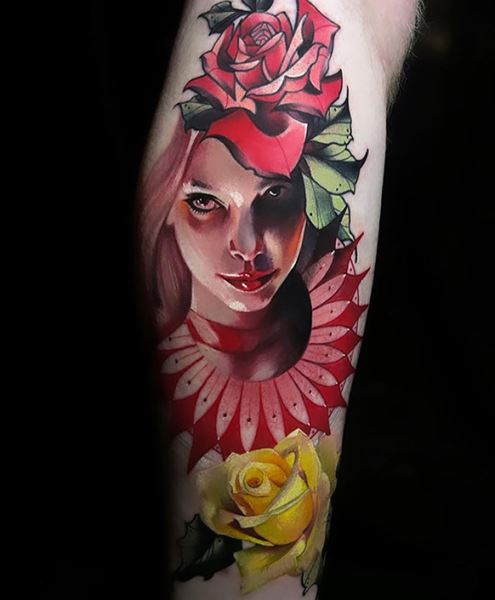
Q: Your work beautifully fuses realism and surrealism. What
drives that aesthetic?
A: I’m fascinated by contrast, realistic faces combined with
dreamlike or symbolic elements. I usually start with a realistic
base, then add elements that bring depth or emotion. My inspirations
come from nature, cinema, philosophy, and even the subconscious.
Q: What aspects of realism resonate most deeply with you? Do
you envision exploring other styles in the future?
A: I’m drawn to realism because of its technical complexity and
emotional impact. Watching an image come to life on skin is
powerful. But I also have a strong desire to explore other styles in
the future, maybe something more painterly or abstract, just to keep
pushing my boundaries.
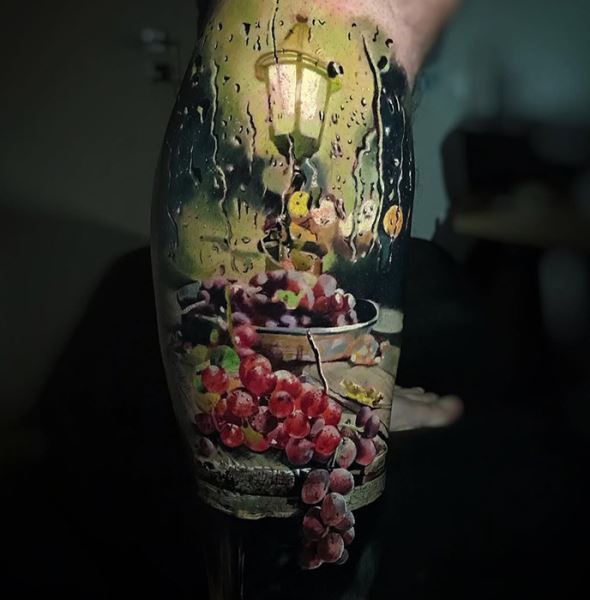
Q: Can you tell us about a project that
was particularly meaningful or creatively fulfilling?
A: A recent project that stood out was a portrait of a client’s late
father. The reference photo was very limited, so we had to
reconstruct a lot. It was an intense process, but the final result
was deeply meaningful. Projects like that remind me of the power of
art.
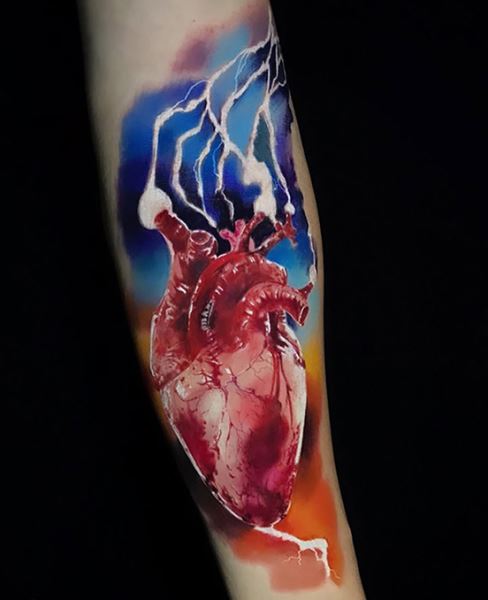
Q: You excel in both color and black and gray tattooing. Are
there any unique challenges to either style?
A: Color work is vibrant and dynamic but requires a lot of
attention, especially with saturation and healing. Black and gray
demands smooth transitions and strong contrast control. I love both
for the different challenges they present.
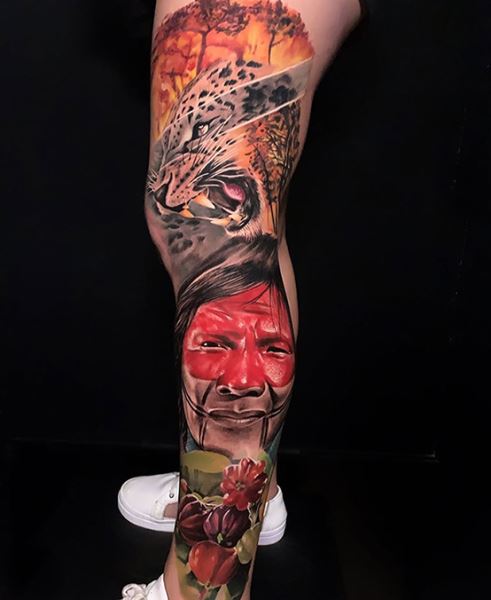
Q: The portraits you create show a deep
understanding of anatomy and color theory. Can you share more about
your process?
A: Portraits require precision, especially in expression and
anatomy. I study the reference carefully, analyze the facial
structure, and adapt the composition to the client’s body. Color
theory is also key for achieving realistic tones and creating depth
and texture.
Q: What’s one of your most memorable client experiences?
A: Every client is important, but one moment that really touched me
was when a young woman asked me to tattoo a tribute to her late
brother. She trusted me to turn that grief and love into a permanent
piece of art. Client trust means a lot to me, and I work hard to
earn and maintain it.
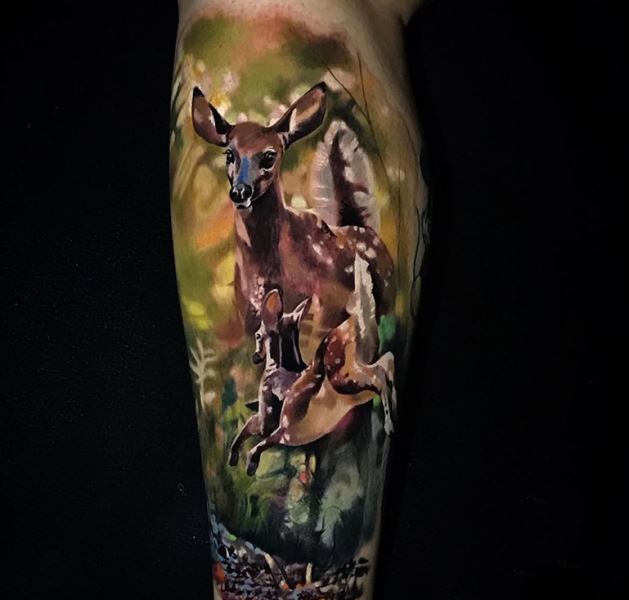
Q: Do you have any hobbies or creative
pursuits outside of tattooing?
A: Outside of tattooing, I enjoy painting and digital art. These
activities keep my creativity fresh and directly influence my tattoo
work. Digital art, for example, is incredibly useful when planning
compositions.
Q: What keeps you motivated? Do you have specific career
goals?
A: What motivates me is the constant desire to grow. Every client
brings a new story and a new opportunity to create something
meaningful. In the future, I hope to open a studio that also serves
as a space for learning and collaboration with other artists.
Q: Where can people find you, and are you accepting new
bookings?
A: I currently work at Inkoligy Art Gallery in New York City, and I
also do guest spots in studios across the country. You can find me
on Instagram: @inkoligyartgallery. Yes, I’m accepting new bookings,
just send me a DM or fill out the form on my website.
Q: Are there any artists you’d love to
collaborate with?
A: I really admire several artists and would love to collaborate
with friends like Medz, Nasty, Marek, Armanden, and others. I find
their use of texture and composition inspiring. Collaboration is a
powerful way to grow and learn.
Q: What has living in the USA been like for you?
A: Moving to the U.S. was a major change, but also a deeply
enriching experience. The diversity here is inspiring, in both
clients and fellow artists. Things move fast, but the opportunities
are endless.
Q: In what ways has living in the USA
contributed to your professional growth?
A: Being in the U.S. has elevated my standards. The expectations are
high, and that drives me to do better. I’ve also been exposed to a
wide range of styles and perspectives, which expanded my artistic
vision.
Q: How do you see your future in the American tattoo scene?
A: The tattoo scene in the U.S. is incredibly diverse, which allows
me to adapt and still stand out with my unique style. I want to
continue contributing to realism and surrealism, and perhaps guide
newer artists in the future.
Q: Have you attended any tattoo
conventions? Which ones were most memorable?
A: Yes, I’ve attended several conventions in the U.S. and abroad.
One of the most memorable was the Golden State Tattoo Expo, where I
received new sponsorship invitations and connected with some of the
top names in the industry. Conventions are essential for a tattoo
artist’s journey, offering visibility, feedback, experience, and
powerful networking.
Q: What about guest spots? Have you worked in studios
outside your base?
A: I’ve done guest spots in studios across different cities and
countries, and they’ve been incredible experiences. Working in new
environments with different artists taught me a lot. I also made
great friendships during those visits, building strong connections
is just as important as building a strong portfolio.
Q: What impact do you hope to have on the tattoo community?
A: I hope to inspire other artists to always pursue their best, with
ethics and dedication. I want to contribute to a more united tattoo
community that values study, respect, and the power of artistic
expression.
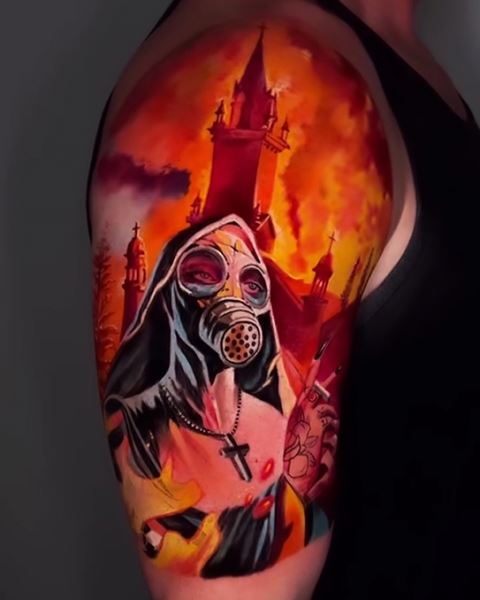
Q: What’s next for you?
A: I’m starting a new series of large-scale surrealist realism
pieces and planning a guest spot tour across Europe. I also want to
share more of my creative process online and connect more with my
audience.
Q: If you could go back and give your younger self one piece
of advice, what would it be?
A: I’d say: be patient. Master the basics, stay humble, and never
stop learning. Don’t rush to find your style, it comes with time,
practice, and experience. Thank you so much for the interview. It
was truly special to reflect on this journey and to share a bit of
it with you.


