
Interview with Lena Burlai
Hello Lena Burlai! Thank you so much for
taking the time to do this interview. Please start by telling us
something about yourself and your background. How did your artistic
journey begin, and what key experiences were formative in shaping
your artistic development? Hello! I’ve been drawn to art
for as long as I can remember. As a child, I spent countless hours
sketching patterns, fascinated by intricate designs in architecture,
textiles, and nature. I didn’t just see shapes, I saw movement,
balance, and storytelling through ornamentation. By the time I was a
teenager, my notebooks were filled with elaborate patterns and
abstract compositions. While I never pursued formal art school
training, I immersed myself in self-study, devouring books on art
history, sacred geometry, and traditional ornamental motifs. My
family was incredibly supportive, encouraging my artistic passion
and pushing me to explore different mediums before I ultimately
found tattooing.
Q: When did tattooing come into the picture?
A: As far as I can remember, I have always been interested in
tattoos, and as soon as I turned 18, I literally immediately signed
up for a tattoo studio and got a tattoo. And this got me even more
interested in this art, the idea of transferring complex patterns
onto the skin, onto a living canvas, fascinated me.
Q: Tattooing isn't easy to learn. What kept you going and
fueled your passion as you developed your skills?
A: Tattooing is one of those crafts where you never stop learning,
and that’s what keeps me going. There were certainly moments of
frustration in the beginning learning to control the machine,
mastering different skin types, and building confidence in my
designs. But every breakthrough, no matter how small, was a reminder
of why I started. Seeing a client’s reaction to a finished piece and
knowing that my art would be with them for life was a powerful
motivator.

Q: Your style, with its beautiful
geometric and ornamental elements, is so unique. How do you define
your style as an artist?
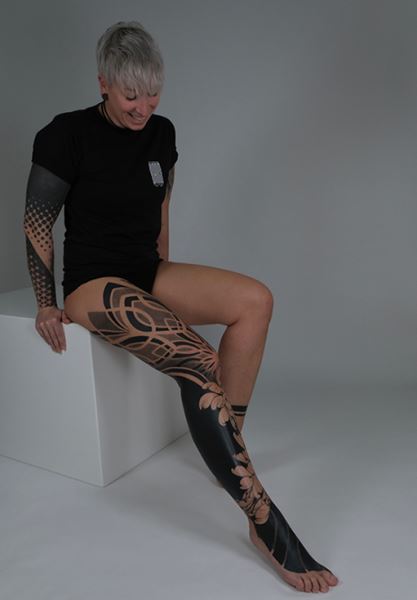
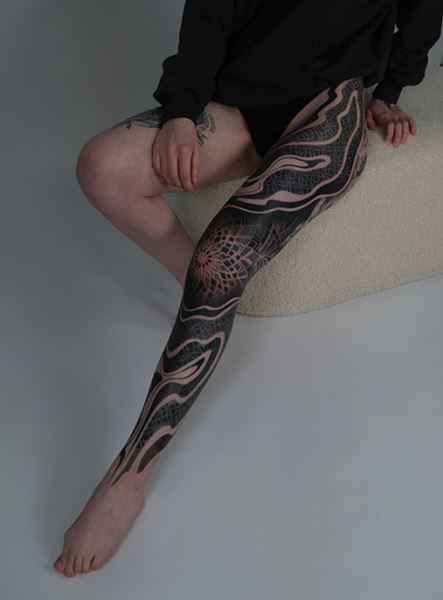
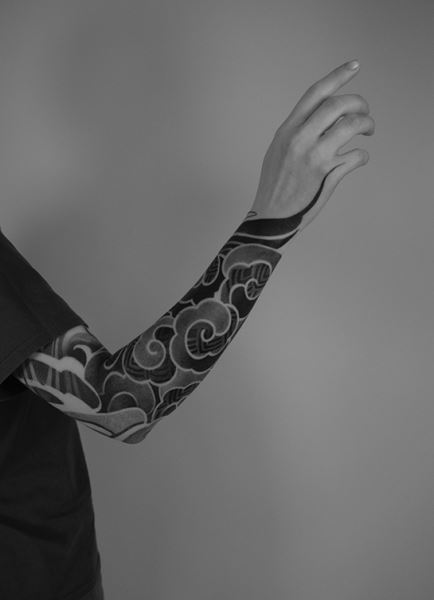
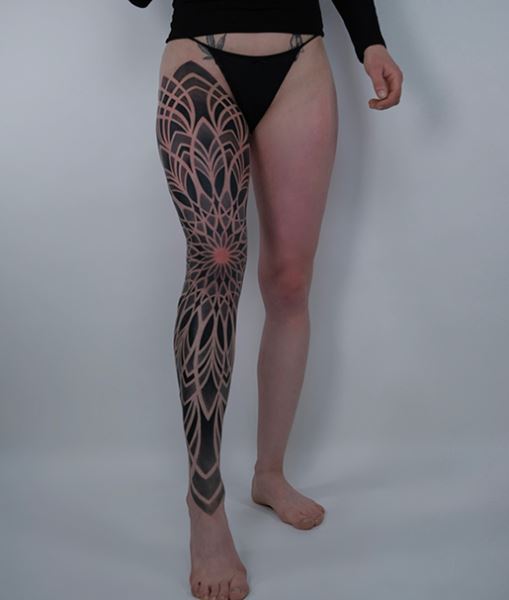
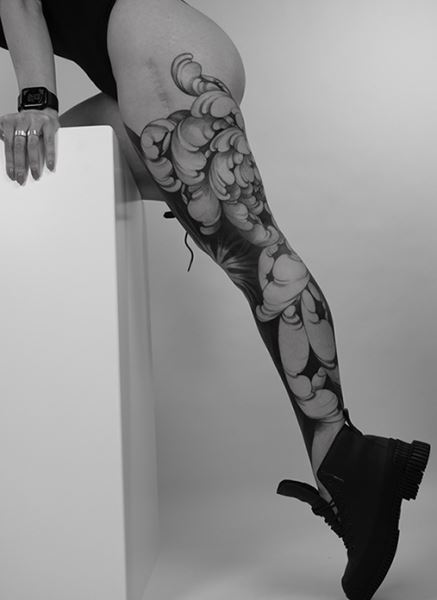
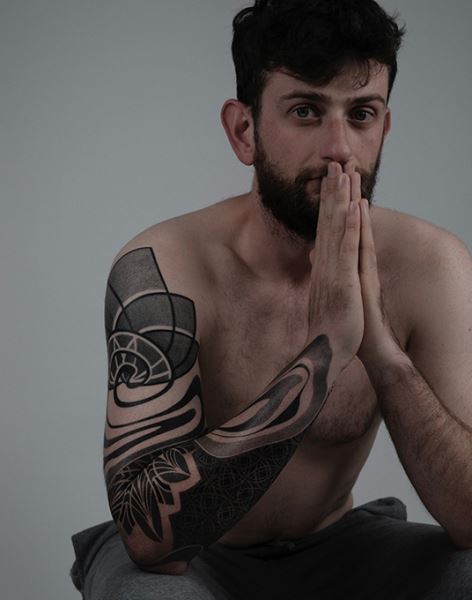
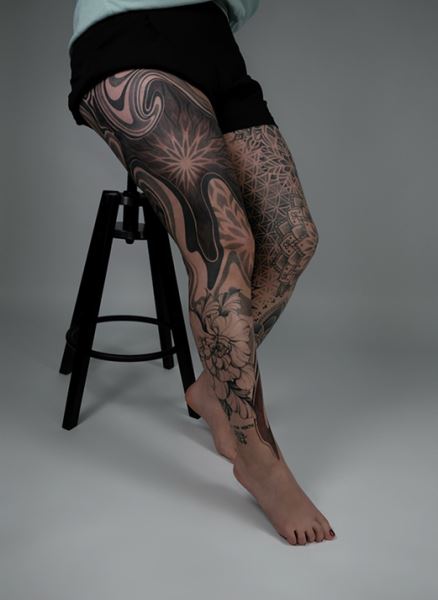
A: My tattoo style combines ornamental blackwork with abstract
designs. I take inspiration from architecture, sacred geometry, and
traditional patterns from different cultures. My goal is to create
tattoos that not only look beautiful but also complement the body’s
natural shape and movement. I focus on precision and symmetry but
also like adding abstract elements for a more organic feel.
Q: Large-scale tattoos require a significant investment of
time and dedication. Can you walk me through some of the logistical
considerations involved in planning and executing a multi-session
project?
A: Large-scale projects start with an in-depth consultation where I
discuss the client’s vision, placement, and any reference images
they may have. While I welcome inspiration, I prefer to create
custom designs tailored to the individual’s body structure. I sketch
extensively, ensuring the flow of the design complements their
natural form. Sessions are scheduled with ample healing time in
between, and I always make sure to check in with my clients to keep
them comfortable during long hours under the needle. Building a
rapport with clients is crucial-it’s not just about endurance, but
also making the process an enjoyable and memorable experience.

Q: What tattoo pushed you the most, either
creatively or technically, and what did you learn from the
experience?
A: One of my most challenging pieces was a full-chest ornamental
design inspired by gothic architecture. The level of precision
required, combined with ensuring the design flowed seamlessly across
the chest to neck, pushed me both technically and creatively. It was
a multi-session project that tested my patience and skill, but the
final result was breathtaking. That experience reinforced the
importance of planning, endurance, and trusting the process.
Q: Your blackwork is really impressive. Are there any plans
to incorporate color into your tattooing in the future, or is black
and grey your preferred style?
A: While I admire color work, black and grey is where my heart is.
The contrast, depth, and timelessness of black ink resonate with me.
I love how it ages gracefully and maintains its boldness over time.
That said, I’m always open to experimenting, but for now, black and
grey remain my focus.
Q: Do you see more adventurous design choices from male or
female clients, or does it seem to be more of an individual
preference regardless of gender?
A: It’s definitely an individual preference. I’ve had both men and
women approach me for bold, intricate work, and I’ve also seen both
opt for more subtle, delicate designs. Personality, rather than
gender, plays a bigger role in the type of tattoo someone chooses.
Q: The artistry of tattooing, combined
with the personal significance for the client, creates a really
powerful experience. It's almost like a shared gift, wouldn't you
agree?
A: Absolutely. Every tattoo is a collaboration, and that’s what
makes it special. I’ve had clients share deeply personal stories
behind their tattoos, and it’s an honor to bring those visions to
life. The trust they place in me is something I never take for
granted.
Q: Collaborative tattooing seems to be gaining popularity.
Are there any artists you'd be interested in working with on a
larger project?
A: There are so many talented artists out there I’d love to
collaborate with, especially those who specialize in blackwork and
abstract styles. I can probably highlight Fibs, his vision of the
harmony of the tattoo project with body flows resonates with mine,
also the amazing work of Roxx which is so harmonious with body that
it is an integral part of it.
Q: Juggling your work as a tattoo artist
with the business aspects of running NOA Tattoo Gallery must be
demanding. How do you prioritize your time and energy between these
two roles, and what aspects of each do you find most fulfilling?
A: Oh, it wasn’t easy at first, but over the time I developed some
structure and I’ve learned to manage my time by setting clear
boundaries. My priority is always my art and my clients, so I
structure my schedule to allow dedicated time for designing and
tattooing while setting aside specific hours for administrative
work. And I'm really thankful for my husband who take part of the
process for hisself, and give me more freedom for art. I have an
amazing team that helps with operation, bookings, and social media
so I can focus on my craft. The most fulfilling aspect of running my
studio is creating an environment where both artists and clients
feel inspired and comfortable.
Q: Could you tell me a bit about the team
of artists working in your studio? Do you ever host guest artists,
perhaps from other countries or from Germany? If so, what are some
of the key criteria you consider when inviting guest artists to work
in your studio?
A: My studio is home to a talented team of artists who each bring
their own unique style and strengths to the table. We believe in
constant growth and collaboration, which is why we frequently host
guest artists from different parts of the world. Beyond technical
skill, I value professionalism, creativity, and a strong work ethic.
Having guest artists not only brings fresh energy into the studio
but also allows us to exchange techniques and ideas.
Q: The art world can present various ethical dilemmas. What
principles guide your own artistic practice, and what do you
consider to be the most important ethical considerations for artists
today?
A: Ethics are fundamental in tattooing. First and foremost, I
believe in respecting the client’s body and vision while maintaining
artistic integrity. Informed consent is key. I ensure clients fully
understand the design, placement, and healing process before we
begin. I also don't accept copying other artists’ work. Another
important ethical consideration is inclusivity, everyone deserves to
feel welcome in the tattoo space, regardless of background or
identity. Lastly, hygiene and safety are non-negotiable. Maintaining
the highest standards of cleanliness is a responsibility I take very
seriously.
Q: With so many resources available today,
from online tutorials and workshops to conventions and guest spots,
it seems like there are more avenues than ever for aspiring tattoo
artists. Do you feel this increased accessibility has made it easier
to break into the field?
A: Yes and no. On one hand, aspiring tattoo artists have access to
an incredible wealth of information that wasn’t as readily available
in the past. Online tutorials, seminars, and social media make it
easier to learn techniques, connect with mentors, and showcase work.
However, the craft itself still requires hands-on experience,
discipline, and time to master. With more people entering the field,
standing out requires not just technical skill but also a unique
artistic voice. Accessibility has made learning easier, but real
success still comes down to dedication and persistence.
Q: Please write down your studio location and website/social
media links. Also let us know if you are available for bookings.
A: My studio, NOA Tattoo Gallery, is located in Dortmund, Germany.
You can find my work and stay updated on my latest projects through:
* Instagram: @lenaburlai.ink
* Website: www.lenaburlai.com
* Email for bookings: booking@lenaburlai.com
I’m currently accepting bookings, but availability varies, so I
recommend reaching out in advance to secure an appointment.
Q: What's your take on the local tattoo
scene? Are you seeing any exciting developments, like new artists,
styles, or events?
A: The local tattoo scene is thriving! There’s been a surge of new
talent, and I love seeing more artists experimenting with different
styles, from fine line and abstract work to bold, large-scale
blackwork. I’ve also noticed an increasing appreciation for
traditional and ornamental designs, which is exciting for me as an
artist. Conventions and guest spots continue to bring diversity and
innovation to the scene, allowing artists to push boundaries and
exchange ideas. The industry is evolving, and I feel lucky to be
part of such a dynamic community.
Q: How often do you attend tattoo conventions? In your
experience, how valuable are tattoo conventions for artistic growth
and building client relationships?
A: I attend conventions regularly, and they’ve been invaluable for
both artistic growth and networking. Winning awards at these events
has been an incredible validation of my work, but more than that,
conventions allow me to connect with fellow artists, exchange
techniques, and gain inspiration from different styles and
approaches. Winning awards at well-known tattoo conventions like
Brussels, Bruges, and Dortmund has been an amazing experience. These
achievements have shown me that staying dedicated to my art and
working hard really pays off. They have also taught me that passion
and persistence are key in the tattoo world. Being recognized for my
work has reinforced my belief that if you stay true to your style
and keep pushing your creativity, people will appreciate and support
your art.
Q: How has your passion for tattooing
evolved since you first started? Are you just as enthusiastic, or
even more so now?
A: My passion for tattooing has only deepened over time. When I
first started, I was primarily focused on mastering the technical
aspects, understanding the machine, skin behavior, and achieving
precise line work. But as I grew in experience, my perspective
shifted. I began to see tattooing as more than just a craft, it
became a form of artistic storytelling and a way to shape the human
form with ornamentation. Now, I approach each piece with a greater
appreciation for composition, flow, and the emotional impact a
design can have. I find inspiration not only in traditional
tattooing but also in architecture, textile patterns, and sacred
geometry, allowing my work to evolve continuously. What keeps me
excited is the endless potential for growth. The tattoo industry is
always evolving, and I love pushing my own boundaries, experimenting
with new techniques, refining my designs, and collaborating with
clients to create something truly personal. Even after years in the
industry, the thrill of seeing a finished piece come to life on skin
never fades.
Q: The American tattoo scene offers a wide range of styles
and influences. Do you see any potential benefits or opportunities
for artistic growth in exploring that environment?
A: Absolutely. The American tattoo scene is incredibly diverse,
blending traditional and contemporary influences in unique ways. The
experimental nature of many American artists, especially in
large-scale blackwork, abstract, and geometric tattooing, is
something that resonates with me. Being exposed to different
cultural approaches and techniques could definitely fuel artistic
growth, whether through collaborations, guest spots, or even just
attending conventions to see how artists push boundaries in their
work. Definitely conventions like Golden State Tattoo Expo in
California or Empire State Tattoo Expo in New York push you to new
level of tattooing and provide opportunities for grows and
development as they are attended by best tattoo artists of the world
scene.
Q: Do you have any favorite American
tattoo artists you would like to work with in the future?
A: There are many American tattoo artists whose work I admire,
especially those who specialize in blackwork and ornamental styles.
Artists like Fibs or Roxx have been pushing the boundaries of these
styles, and collaborating with them would be an exciting opportunity
to merge influences and create something unique. The idea of
blending different perspectives while maintaining the structural
integrity of ornamental tattooing is something I’d love to explore
in a collaboration.
Q: Knowing the diversity of the US tattoo landscape, are
there any areas that particularly resonate with your artistic style
or that you feel would be a good fit for your work?
A: I think my style would resonate well in cities with strong
artistic and tattoo cultures, such as Los Angeles, New York or
Austin, and every big city, where people are more open for bigger
projects and newest styles in the industry. These places have
thriving blackwork and avant-garde tattoo scenes, where clients
actively seek intricate, large-scale pieces. The appreciation for
ornamental and abstract tattooing in these areas would make them
ideal environments to showcase my work, whether through guest spots,
conventions, or exhibitions.
Q: What impact do you aspire to have on
the tattoo community?
A: I hope to contribute to the growth of ornamental blackwork by
pushing its boundaries and inspiring both clients and fellow
artists. I want to create work that stands the test of time, both
aesthetically and technically. And beyond the art itself, I hope to
foster a community of respect, professionalism, and innovation
within the industry.
Q: If you could go back and give your younger self advice
about pursuing tattooing, what would it be?
A: Be patient and trust the process. Growth takes time, and every
challenge is an opportunity to learn. Stay true to your artistic
vision, but remain open to evolution. And most importantly, never
stop creating.


