
Interview with Lulu Ihnatenko
From the vibrant streets of Kyiv to
the heart of Marietta, Georgia, Lulu Ihnatenko has turned a dream
into a thriving reality. In less than two years since relocating to
the United States, Lulu has established LuluBeautylux Studio, where
she blends rigorous European medical training with a delicate,
minimalist artistic touch. Specializing in fine-line tattoos and
permanent makeup, Lulu isn't just changing how her clients
look—she’s changing how they feel. Today, we’re sitting down with
Lulu to discuss her rapid rise in the Atlanta beauty scene, her
commitment to restorative work for cancer survivors, and the 'heart'
behind every needle stroke.
Hello Lulu Ihnatenko! Thank you so
much for taking the time to do this interview. Your journey is so
inspiring, starting as a receptionist in Kyiv to now owning your own
studio in Marietta. Looking back, was there a specific 'lightbulb
moment' at that salon in Ukraine where you realized you didn't just
want to be around beauty, but wanted to be the one creating it with
your own hands? Absolutely. When I first started working as
a receptionist in a beauty salon, I had a front-row seat to
transformation every single day. I watched women walk in one way and
leave with a completely different energy, more confident, lighter,
and happier. Whether it was a manicure, hair coloring, makeup, or a
skincare treatment, each service had a meaningful impact. Seeing how
beauty services could truly uplift women inspired me to want more
than just to observe the process. I realized I wanted to be the one
creating those transformations with my own hands, and that’s when I
knew I wanted to become a beauty professional myself.
Q: You’ve been in the U.S. for just over two years and have
already built a successful brand and opened a beautiful studio. How
does it feel to see the name “Lulubeautylux” on a storefront in
Georgia, and how has the local community embraced your European
approach to artistry and luxury?
A: I am incredibly proud of myself, because I truly walked this
entire path on my own. When I arrived in the United States, I
immediately began researching everything from licensing requirements
in the state of Georgia to the professional standards needed to work
as a tattoo and permanent makeup artist. I took the time to
understand the rules, the system, and how to do things the right
way. Building a business in a new country isn’t easy, especially
when you’re starting from scratch, but I’m proud that I was able to
navigate it independently, to find the information, organize
everything properly, and turn my vision into a real, functioning
studio. Seeing Lulubeautylux established here in Georgia is a
reminder that with determination, discipline, and belief in
yourself, it’s possible to build something meaningful anywhere.
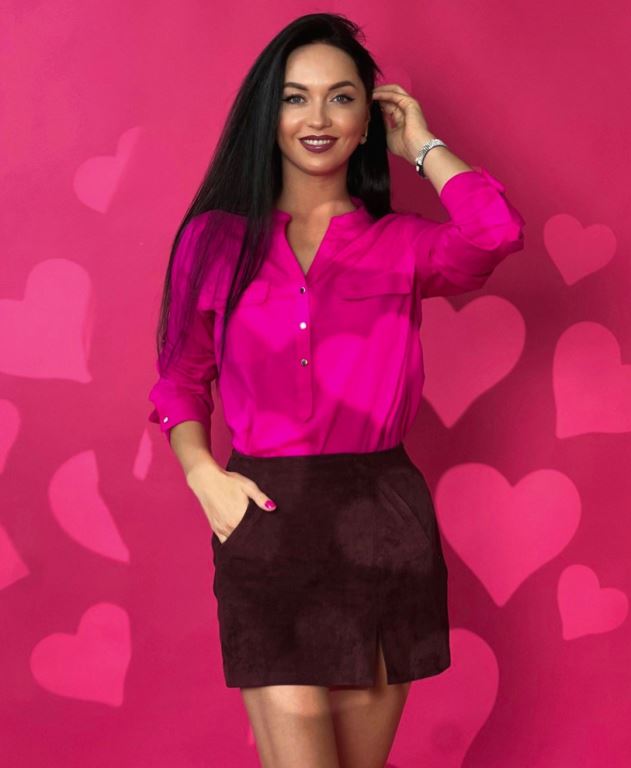
Q: You describe your work as 'Combining Artistry and
Beauty.' For those who haven't sat in your chair yet, how would you
describe the 'Lulu Experience' and the specific aesthetic you bring
to the Atlanta tattoo scene?
A: I would clarify that I describe my work as a combination of
artistry and beauty through the lens of health. I come from a
medical background and hold a Ukrainian medical diploma, which
allows me to approach every procedure with a deeper understanding of
the human body, skin, and safety. For me, beauty is not only about
how something looks on the surface, but about ensuring that it is
done responsibly, ethically, and without harm. The “Lulu Experience”
is calm, intentional, and highly personalized. I take the time to
listen, educate, and create designs that feel natural, refined, and
in harmony with the client’s body. My aesthetic within the Atlanta
tattoo scene is minimalist, fine-line, and elegant, but always
grounded in health, precision, and respect for the client. I want
every person who sits in my chair to feel safe, cared for, and
confident, knowing that their beauty was created with both artistry
and medical awareness in mind.
Q: You’re known for your incredible fine-line tattoos and
permanent makeup. Between the tiny, delicate scripts and the perfect
ombré brows, which type of project makes you the most excited to
start your day when you look at your calendar?
A: For me, it’s always about the person, not just the project. What
excites me most is working with a client and finding a new,
thoughtful approach every time. Whether it’s an intricate fine-line
tattoo or enhancing a woman’s natural beauty through permanent
makeup for brows or lips, I approach each service with the same
level of care and passion. I truly enjoy all of it, because for me
this work exists on a deeper level. It’s not only about technique or
aesthetics, it’s about connection, trust, and transformation. I feel
happiest when I see people leave my studio feeling confident, calm,
and genuinely happy, regardless of which procedure they came in for.
In the end, what matters most to me is the state of the soul they
leave with, not just the result in the mirror.
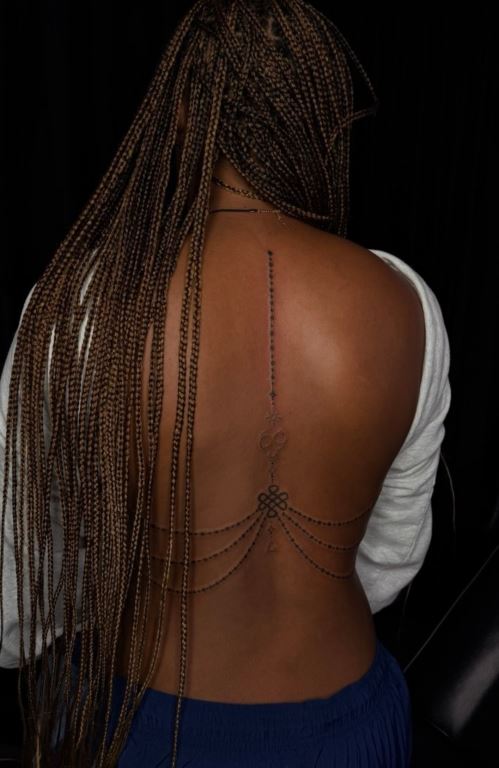
Q: Your portfolio is almost exclusively black ink. What is
it about the contrast of black ink against the skin that appeals to
you more than color?
A: For me, black ink is like black-and-white photography. It feels
deeper and more timeless. Color can be very emotional, people often
choose color tattoos to express a specific feeling or moment in
time, and sometimes those emotions fade. But black ink creates a
different kind of connection. With black tattoos, nothing distracts
the eye. You’re not focused on color, you’re focused entirely on the
design, the lines, the meaning, and how it lives on the skin. That
simplicity creates depth. It allows the tattoo to speak for itself
and form a stronger, more lasting bond between the person and the
artwork. That’s why black ink resonates with me so strongly, it’s
about clarity, intention, and a deeper visual and emotional
connection.
Q: If you had to name your specific style, somewhere between
Micro-Realism and Fine-Line Minimalism, how would you describe it to
someone who has never seen your work?
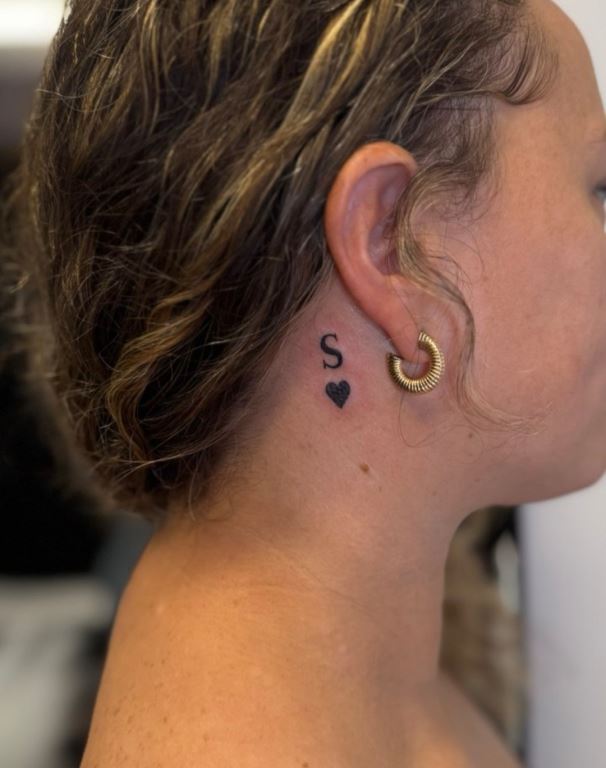
A: I would describe my style as minimal ink and minimal lines, but
with a great deal of meaning. I truly believe that the fewer lines
there are, the more powerful the message can be. Sometimes I create
a tattoo that is just a single letter, yet that letter can represent
a deep connection to a person, a memory, or a life-changing moment.
Very often, I work with handwritten designs.
Q: Many artists prefer large canvases, but you excel at
tiny, high-detail pieces. What is the biggest technical challenge
when shrinking a realistic image (like a flower or a portrait) down
to just a few inches?
A: In fine-line tattooing, the work may appear very simple at first
glance, but in reality it requires intense discipline, constant
practice, and complete calm in both the hand and the mind. When
you’re working on such a small scale, even the slightest
uncontrolled movement can change the entire meaning of a design. A
tiny deviation in line direction can affect the balance of a
realistic image, and a single mistake can distort lettering or
compromise the clarity of a word. That’s why fine-line work demands
absolute precision, control, and focus. For me, fine-line tattooing
is about clarity, accuracy, delicacy, and calm, not only from the
artist, but also from the client. When both are present, even the
smallest tattoo can remain clean, legible, and meaningful for years
to come.
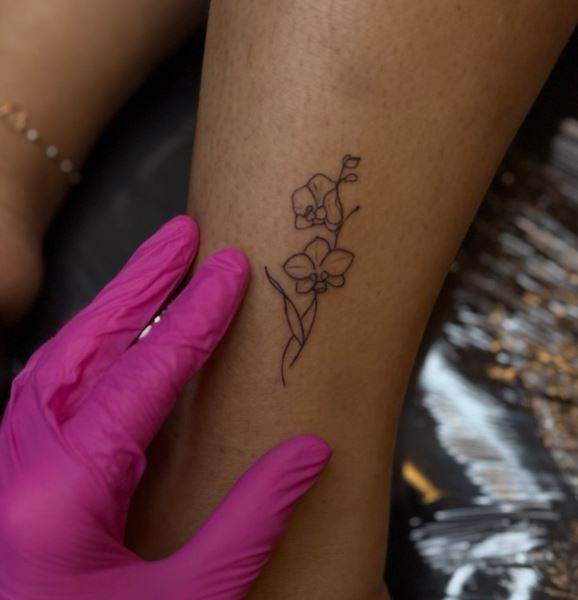
Q: There is a common myth that fine-line tattoos don't age
well. Based on your medical background and experience, what is your
secret to ensuring these delicate lines stay crisp and don't 'blur'
as the years go by?
A: This is where my medical background and my experience as an
esthetic professional truly come together. I have a strong
understanding of skin anatomy and how different layers of the skin
respond over time. In addition, my background in permanent makeup
plays a major role in how I approach fine-line tattooing. Permanent
makeup is very different from traditional tattooing. In permanent
makeup, we work extremely superficially, usually within about 0.2 to
0.3 millimeters of the skin, whereas in traditional tattooing,
pigment is typically placed deeper, around 1 to 1.5 millimeters
depending on the area of the body. Because of my experience with
techniques like powder brows and lip blushing, I’ve developed
exceptional control over depth and pressure. This allows me to place
pigment precisely where it needs to be, deep enough to remain stable
and age well, but not so deep that the lines spread or blur over
time. At the same time, I avoid working too superficially, which
could cause the tattoo to fade completely. That balance is the key.
Fine-line tattoos can age beautifully when they’re done with proper
technique, anatomical knowledge, and respect for the skin.
Q: With your medical training and strong focus on skin
health and safety, how does that background influence your
technique, machine settings, and overall approach to minimizing
trauma while working on the skin?
A: I strictly follow all aseptic and antiseptic protocols when
working with clients, ensuring the highest standards of hygiene and
safety at all times. This foundation allows me to approach each
procedure with responsibility and care, not only from an artistic
perspective but also from a medical one. I also place great
importance on proper aftercare. I take the time to fully educate my
clients on how to care for their tattoo or permanent makeup so the
skin can heal beautifully, without complications or unnecessary
trauma. clear aftercare instruction is essential for long-term
results and the client’s well-being. All of the supplies I use are
completely disposable and single-use, which further ensures safety
for both my clients and myself. From needles to protective
materials, everything is selected to minimize risk and maintain a
sterile environment. Finally, my medical background directly affects
my technique. Controlled hand pressure and precise machine settings
allow me to work gently with the skin, reducing trauma while
achieving clean, stable results, both in tattooing and permanent
makeup. That balance between safety, precision, and artistry is what
defines my approach.
Q: When a client comes in with a 'Pinterest' idea, how do
you adapt it to make it uniquely yours while still respecting their
vision?
A: Even when a client comes in with a Pinterest idea, the tattoo is
always adapted to the individual. I never copy a design exactly as
it is. Something is always adjusted, whether it’s adding a detail,
simplifying elements, or changing proportions so the final piece
truly fits the client. Every tattoo I create is fully customized. I
carefully consider the client’s wishes, their body, their story, and
how the design will live on their skin. For me, the client is always
the most important part of the process. My goal is to respect their
vision while creating something personal, meaningful, and uniquely
theirs.
Q: Micro-lettering is often very personal for clients. When
someone asks for a tiny word or date, how do you help them choose a
font that matches the 'mood' of the memory they are preserving?
A: Micro-lettering is always very personal, and I treat it with a
lot of care and respect. When a client asks for a tiny word or date,
my first step is always conversation. I ask about the story behind
it, who or what it represents, what emotions are connected to that
memory, and how they want to feel when they see it years from now.
Based on that, I help guide them toward a font that truly matches
the mood of the memory. A soft, handwritten script may feel intimate
and emotional, while a clean, minimal font can feel calm, strong, or
timeless. Sometimes I even recreate handwriting or slightly adjust
existing fonts to make the piece more personal and unique. It’s very
important to me that every client receives a one-of-a-kind tattoo,
even when I’m working with realism or very small designs. I believe
a good artist must be open-minded and willing to collaborate to
discuss design details, placement, size, and long-term aging. I
always explain what will work best technically and aesthetically,
while still respecting the client’s vision. In the end,
micro-lettering may be small in size, but it carries a lot of
meaning. My goal is to help translate that meaning into a design
that feels emotionally accurate, visually balanced, and deeply
personal to the client.
Q: Many of your tattoos seem to wrap perfectly around wrists
or follow the curve of the ribs. Do you freehand some of these
elements directly onto the skin to match the body’s movement, or is
it all planned in the stencil phase?
A: I am very detail-oriented and I value precision, so I don’t work
freehand. I believe that a well-prepared design is essential,
especially for tattoos that need to follow the natural movement and
curves of the body. Often, I prepare several versions of a design in
advance, with different sizes or slight variations. Then, right
before the procedure, when we place the stencil on the client’s
skin, we review the options together. This allows us to see how each
version interacts with the body and choose the one that feels the
most natural, balanced, and aligned with the client’s vision. This
process ensures that the tattoo looks harmonious on the body, ages
well, and fully meets the client’s expectations. For me, thoughtful
planning is the key to achieving clean, elegant results.
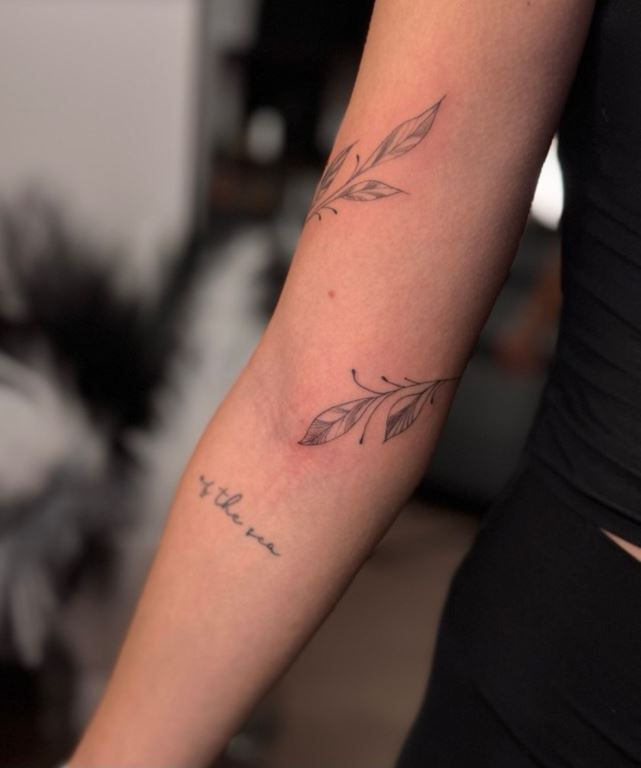
Q: Some of your work functions like permanent jewelry,
delicate, subtle, and decorative. Do you find that your clients are
looking for tattoos that act more as accessories than 'traditional'
statement pieces?
A: Yes, absolutely. I see this trend very clearly in my work. Many
of my clients are intentionally looking for tattoos that feel light,
elegant, and refined rather than bold or overpowering. They want
something subtle, a piece that complements the body instead of
dominating it. This philosophy is at the core of fine-line
tattooing. I’m grateful that my artistic approach resonates with
people in this way. There was a time when large, statement tattoos
covering big areas of the body were the main trend. Now, more
clients are choosing designs that are softer, more intentional, and
quietly beautiful. Tattoos are evolving into something more personal
almost like a permanent accessory that reflects individuality
without needing to be loud.
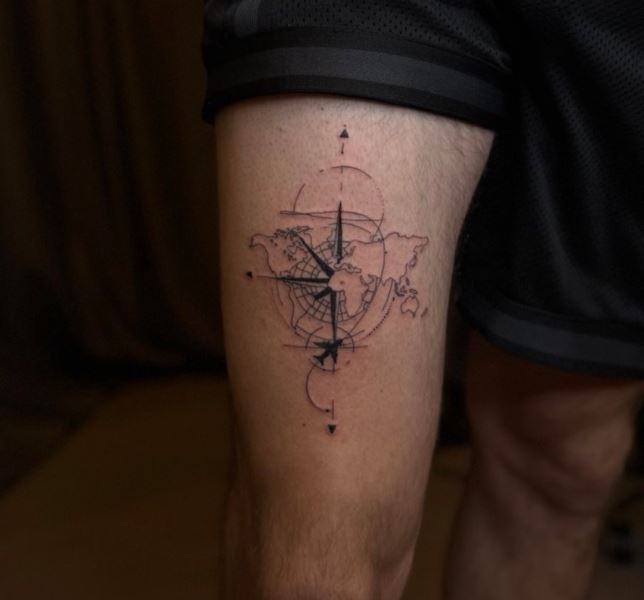
Q: Is there a specific European tattooing technique or
'secret' you learned in Ukraine that you feel gives your fine-line
work an edge over the more traditional American styles?
A: Yes, absolutely. The foundation of my work comes from a European
approach that places a strong emphasis on refinement, lightness, and
a deep respect for thin lines. This love for delicacy and precision
is what truly sets my fine-line work apart from more traditional
American styles. Even today, I often see tattoos labeled as “fine
line” that are still executed quite boldly or heavily. What
differentiates my work is the intentional softness of the lines and
the overall lightness of the design. My goal is always to create
tattoos that feel airy, elegant, and harmonious with the skin rather
than overpowering it. This mindset was deeply shaped by my training
in Ukraine, where subtlety, balance, and restraint are highly
valued. For me, fine-line tattooing isn’t just a technique, it’s a
philosophy rooted in precision, grace, and respect for the body.
Q: You have over nine years of experience in the beauty
industry. How has your perspective on facial aesthetics evolved from
when you first started in Ukraine to now running your own studio in
the U.S.?
A: After more than nine years in the beauty industry, my perspective
on aesthetics has evolved far beyond technique alone and it
applies to both the face and the body. Early in my career in
Ukraine, the focus was primarily on precision, results, and
mastering skills. Today, as a tattoo artist, permanent makeup
artist, and esthetic professional running my own studio in the U.S.,
I understand that true aesthetics begin with how a client feels, not
just how they look. I truly believe that it doesn’t matter whether
someone is sitting in a cosmetologist’s chair, getting permanent
makeup, or receiving a tattoo, what matters most is that the client
feels comfortable, safe, and emotionally connected. Trust is
everything. Working with the face or the body always requires a deep
level of responsibility and sensitivity. As women, we all know that
a beauty or tattoo appointment is often something deeper than the
procedure itself. It’s a moment of self-care, a pause from daily
life, and sometimes even a heartfelt conversation. Creating a warm,
soulful, and respectful environment is just as important to me as
creating beautiful, technically precise results. This understanding
has shaped my approach to aesthetics today it’s about harmony,
confidence, and emotional well-being, whether I’m working on the
face or the body.
Q: Many artists start with traditional tattoos and move to
PMU, but you have a deep foundation in both. How did years of
performing high-stakes procedures like eyeliner and lip blush help
'train your hand' for the precision required in fine-line tattooing?
A: Absolutely. My years of experience in permanent makeup gave me a
very strong foundation for transitioning into fine-line tattooing.
Working on procedures like eyeliner and lip blush requires extreme
precision, steady hands, and complete control over pressure and
depth, there is no room for error when you’re working on such
delicate areas of the face. That experience trained my hand to be
calm, intentional, and highly controlled. It also taught me
patience, discipline, and respect for the skin, which are essential
qualities in fine-line tattooing. Because of this background, my
transition into fine-line work felt natural and structured rather
than overwhelming. Permanent makeup taught me how to work with
subtlety and restraint, and those same principles carry over into my
tattoo work today. It allowed me to approach fine-line tattooing
with confidence, precision, and a strong technical foundation from
the very beginning.
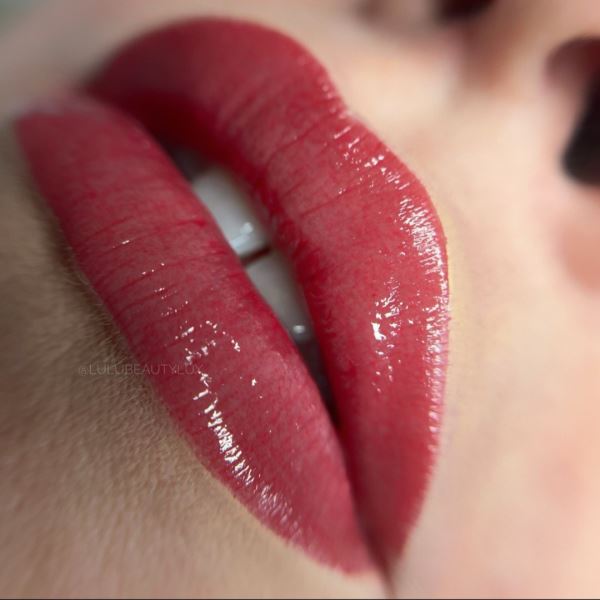
Q: When you’re working on a delicate fine-line tattoo, do
you find yourself using the same 'light-touch' machine techniques
you perfected for PMU, or is the physical approach to the skin
completely different?
A: The physical approach is different, but the sensitivity carries
over. Fine-line tattooing requires more structural stability in the
line, so I adjust my machine settings, speed, and hand angle
depending on the skin and placement. What transfers from PMU is the
ability to read the skin in real time feeling resistance,
elasticity, and how the pigment settles. That awareness allows me to
work gently while maintaining clean, stable lines that heal
beautifully.
Q: As an artist who recently moved to the area, what is your
process for building trust with a new client who might be nervous
about their first fine-line tattoo or permanent makeup procedure?
A: First and foremost, I ask my clients to trust me as a
professional, based on my years of experience and training. It’s
very important to me that each person feels safe and confident that
they are in good hands, especially when it’s their first fine-line
tattoo or permanent makeup procedure. I always explain the entire
process from A to Z, what will happen, how the procedure will be
performed, what they may feel during it, and how to care for the
skin afterward. I take my time, answer all questions, and never rush
the client. When people clearly understand each step, their anxiety
naturally fades and is replaced with calm and trust. For me,
building trust is the foundation of my work. My goal is not only to
create a beautiful result, but also to ensure that every client
feels comfortable, supported, and emotionally at ease throughout the
entire experience.
Q: A significant part of your work involves helping women
feel like themselves again, such as your free brow restoration for
cancer survivors. How do these sessions differ emotionally from a
standard decorative tattoo appointment?
A: Oh yes, this topic is incredibly important to me. I feel a deep
emotional connection to this work because I genuinely want to help
women who have gone through cancer. It is truly an honor for me to
offer free brow restoration or meaningful tattoos for women who want
to mark or process such a difficult chapter of their lives. These
sessions are very different emotionally. They are not about
decoration they are about healing. Whether it’s helping a woman see
beautiful brows in the mirror again or creating a tattoo that
symbolizes strength, survival, or closure, my goal is to support her
emotional recovery as much as the physical result. For me, this work
brings profound emotional fulfillment. Knowing that I can help a
woman feel more like herself again, regain confidence, and move
forward after such a challenging period gives my work a deeper
purpose. I truly believe that art, when done with care and
intention, can be a powerful form of healing and being part of that
journey is something I hold very close to my heart.
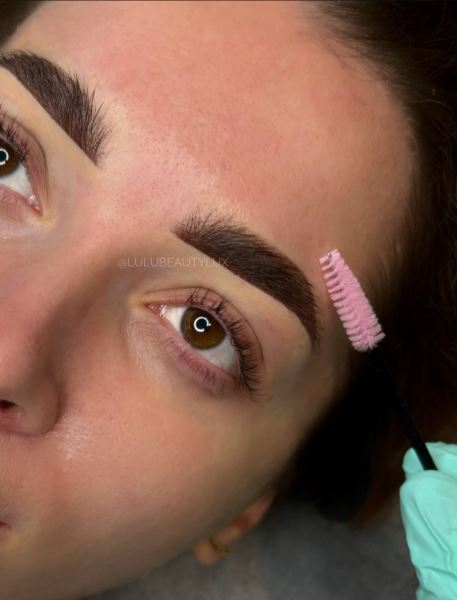
Q: When a client looks in the mirror and sees their new
brows or a delicate tattoo for the first time, what is the most
common reaction you see?
A: Most often, the reaction is pure love. They smile, their eyes
light up, and they immediately say how much they love it, whether
it’s their new brows or a delicate tattoo. Seeing clients fall in
love with their reflection again is incredibly rewarding for me.
That moment, when someone looks in the mirror and feels confident,
happy, and truly themselves, brings me the greatest joy. Watching my
clients leave satisfied and glowing is one of the most fulfilling
parts of my work.
Q: Georgia has some of the most specific licensing and
health regulations for body art in theU.S. Coming from Ukraine, what
was your experience like navigating the 'DPH' certification process
and the move toward statewide standardization?
A: Honestly, if you follow the required standards, rules, and laws,
it’s not as intimidating as it sounds. For me, it was simply a
step-by-step process. I focused on doing everything correctly
understanding the requirements, completing each step in order, and
not trying to skip anything or take shortcuts. Once you approach it
that way, the DPH certification process becomes very clear and
structured. I did what was required to earn my Body Art
certification in Georgia, and then I continued following the same
mindset to open a properly licensed studio. In my experience, when
you respect the regulations and stay consistent, the process becomes
straightforward and very manageable.
Q: Your studio, Lulubeautylux, feels very different from a
'traditional' American tattoo shop, it’s very bright, clinical, and
minimalist. Was it a conscious choice to move away from the 'grunge'
aesthetic often found in U.S. shops to reflect your European medical
background?
A: Yes, it was absolutely a conscious choice. My love for
cleanliness and strict adherence to aseptic and antiseptic standards
is deeply reflected in my studio. Because of my medical background,
maintaining a clinically clean environment is not just a preference
for me, it’s a responsibility. I understand how infections and
contamination can spread, so I follow all required safety
regulations and hygiene protocols, often going beyond the minimum
standards. I do this out of respect for myself, my work, and, most
importantly, my clients. Creating a clean, bright, and minimalist
space allows my clients to feel safe, calm, and confident that their
health is always my top priority.
Q: Please write down your studio location and website/social
media links. Also let us know if you are available for bookings.
A: My studio is located at 4880 Lower Roswell Road, Marietta, GA
30068. You can find my work and updates on Instagram at
@lulubeautylux_studio I am currently available for bookings.
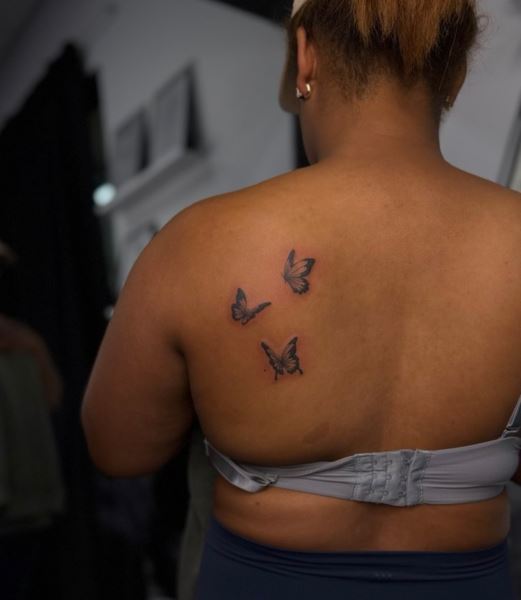
Q: The global tattoo market is projected to grow massively
by 2032, but artists are also feeling the pressure of an
'oversaturated' market. How does your niche specialization in
micro-realism and PMU help you stand out in the competitive Atlanta
scene?
A: I believe my niche stands out because my approach is both
inclusive and highly specialized. I work on almost all areas of the
body — including placements that many tattoo artists choose not to
work with — and I work confidently with all skin types. My practice
has never been limited to one skin tone or one type of client; I
adapt my technique to each individual, which allows me to serve a
much broader and more diverse community. In addition, my background
in micro-realism and permanent makeup allows me to offer a level of
precision, subtlety, and skin understanding that isn’t always common
in traditional tattooing. Combined with a clean, clinical studio
environment, a convenient location, and fair, transparent pricing,
this creates an experience that feels both professional and
accessible. In an oversaturated market, I believe what truly sets an
artist apart is not just style, but versatility, care, and
consistency. My clients know they can trust me with delicate work,
challenging placements, and a personalized approach and that’s
what helps me stand out in the Atlanta tattoo scene.
Q: What is one thing about the 'American work ethic' in the
beauty industry that you want to teach your future students, and
what is one 'Ukrainian secret' to precision you’ll never stop
practicing?
A: There are a few important things I would want to pass on to my
future students. First and foremost, this profession is about
service. After moving to the U.S., I noticed that service standards
in the beauty industry are not always as high as they could be.
Sometimes clients are happy with results that, back in Ukraine,
would not be considered acceptable or worth paying for. That often
happens when artists stop refining their skills and focus only on
money. I believe this mindset has to change. In our profession, the
client must always come first. High-quality work, attention to
detail, and genuine care are essential. Service should be given at
100%, because a satisfied client is the true measure of success. The
second value I want to teach my students is the importance of giving
back. We live in a very challenging world, and genuine humanity can
feel rare. Not many people are willing to offer their skills for
free simply to help others. I strongly believe in charitable work —
whether it’s free tattoos, scar camouflage, or permanent makeup for
those who cannot afford it but deeply need it. “Give, and it will be
given to you” is a principle I live by. I want to inspire my
students to see charity not as a loss, but as a powerful way to
contribute to society, grow as professionals, and remain connected
to the human side of this industry. Through my students, I hope to
help as many people as possible and pass on values that go far
beyond technique alone.
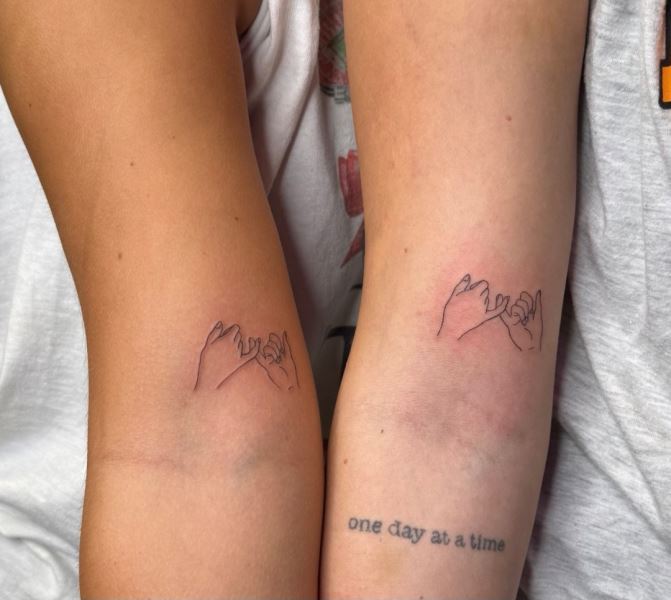
Q: You’ve likely seen the tattoo convention scenes in both
Europe and America. How do the energy and the 'competition' aspect
of a Ukrainian convention differ from the massive events we see here
in the U.S.?
A: The energy is definitely different, and I think that difference
comes from mindset and scale. Ukrainian and European tattoo
conventions tend to feel more intimate and technically focused.
There is a strong emphasis on precision, craftsmanship, and pushing
artistic boundaries. The competitive aspect often feels very
personal — artists are deeply invested in quality, detail, and
earning respect within the professional community. In the U.S.,
conventions are much larger and more dynamic. The energy is louder,
more commercial, and more entertainment-driven. Competition here
exists, but it’s often blended with branding, networking, and
visibility. Artists are not only showcasing their skills, but also
building their name and presence in a very big market. I don’t see
one approach as better than the other — they’re simply different.
The European scene shaped my discipline and attention to detail,
while the American scene has taught me confidence, openness, and how
to grow as a brand. Having experienced both gives me a balanced
perspective and allows me to combine technical depth with a strong
professional presence. I have attended tattoo conventions at
different stages of my professional journey. In 2019, I was in Kyiv
attending tattoo conventions while I was just beginning my path in
permanent makeup. At that time, my focus was on learning, observing,
and understanding the industry from the inside. In 2024, I attended
a tattoo convention in Miami as an invited guest. That experience
was very different and much more educational and immersive. I
participated in multiple masterclasses led by top artists, focusing
on areas such as scar camouflage, micropigmentation, and scalp
micropigmentation. For me, it was an opportunity to continue
growing, learn advanced techniques, and exchange knowledge with
highly skilled professionals. I see tattoo conventions not only as
competitive events, but as powerful educational platforms. Being
present, learning from others, and continuously improving my skills
has always been more important to me than simply participating for
visibility. That mindset is something I carry with me at every stage
of my career.
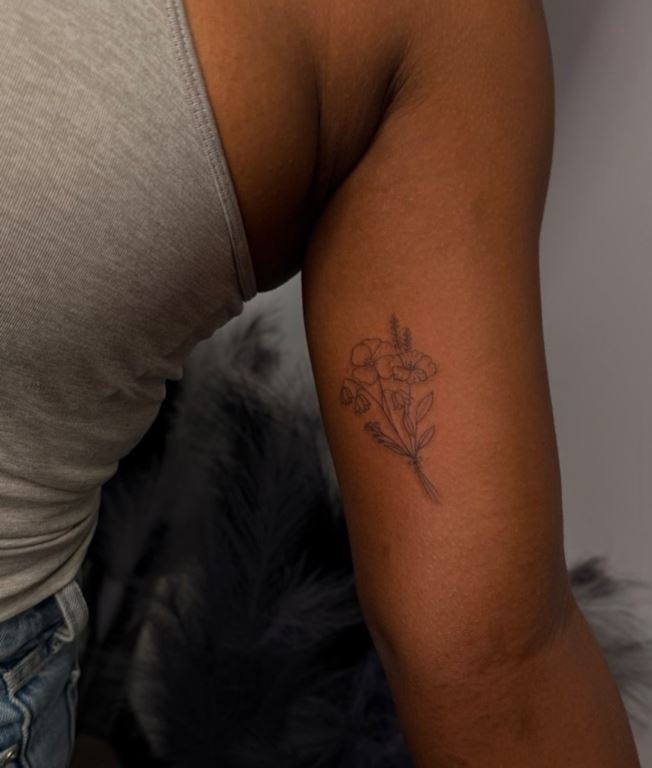
Q: What impact do you aspire to have on the tattoo
community?
A: I have clear long-term goals in the United States that go beyond
operating a successful tattoo studio. My primary objective is to
grow my studio into a space that not only delivers high-quality
artistic work, but also serves as an educational and professional
development environment. I aim to mentor emerging tattoo artists and
PMU professionals, share best practices, and help elevate
professional standards within the industry. In addition to education
and mentorship, I am committed to using my skills to create
meaningful social impact through my work. I plan to develop
structured community-based initiatives that focus on restorative and
corrective tattooing, including scar camouflage and procedures that
support emotional recovery for women following medical treatments or
surgeries. These initiatives are designed to bring together
experienced professionals and future artists in collaborative,
service-oriented projects that emphasize care, ethics, and
responsibility.
Q: If you could go back and give your younger self advice
about pursuing tattooing, what would it be?
A: I would tell my younger self not to be afraid. Fear can slow you
down, but confidence and consistency will carry you forward. I would
remind myself to keep my hand light, both technically and
emotionally because precision comes from calm, not tension. I would
also say: help others whenever you can. Supporting people, sharing
knowledge, and acting with kindness will always come back to you in
unexpected ways. And most importantly, never stop growing. This
industry is constantly evolving, and staying curious, disciplined,
and open to learning is what truly shapes a long and meaningful
career. Growth, courage, and compassion, those are the foundations I
would never change.
Ms.Lulu Ihnatenko thank you so much for the interview. It means a
lot.
Interview: Ivana Kancheska
Publishing Date: January 15 2026


