
Interview with Momo Gunes
Hello Muhammet H. Gunes aka Momo
Gunes! Thank you so much
for taking the time to do this interview. Can you take us back to
the very beginning? Do you remember the specific moment or piece of
art that made you realize tattooing was the path you wanted to
follow? I realized tattooing was my path the moment I
understood that skin could carry emotion the same way canvas does,
only permanently. That responsibility changed everything for me.
Tattooing stopped being just art and became storytelling with
consequences.
Q: When you started, what was your initial creative
direction?
A: I didn’t start with realism. I explored many styles early on.
Realism demanded honesty and discipline, there’s nowhere to hide. My
personal voice began to emerge when I stopped copying references and
started controlling light, contrast, and emotion.
Q: Did you have any influential teachers, or are you
self-taught?
A: I’m largely self-taught, but deeply influenced by classical
painters, cinematography, and anatomical sculpture rather than
tattoo artists alone. I’ve always seen tattooing as a translation of
fine art into skin.
Q: What needle groupings or hand motions do you use for
hyper-realistic texture?
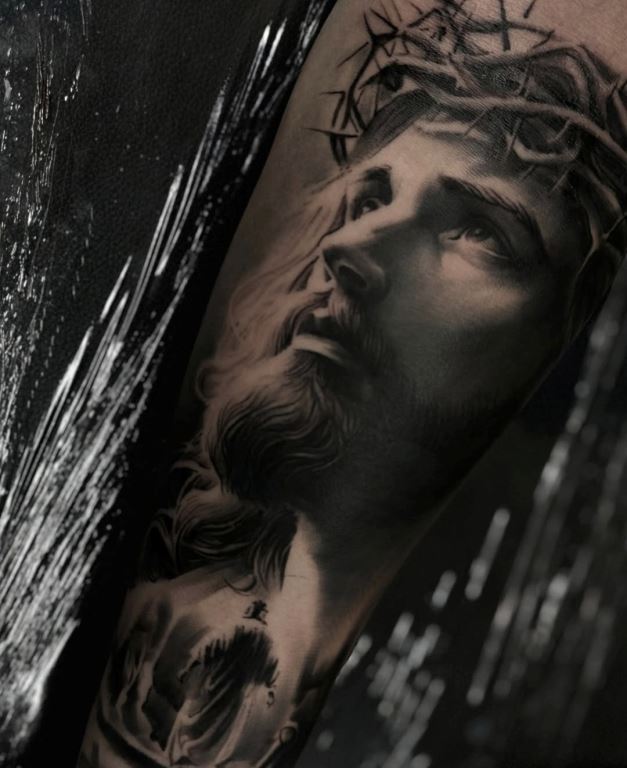
A: Texture comes from rhythm, not force. I focus on controlled
needle depth and hand speed rather than relying on a single
grouping. Letting the skin breathe is just as important as building
density.
Q: Your “black-first” approach stands out, how does it
differ from traditional grey-wash layering?
A: I build structure with black first to anchor the piece. Grey
tones then serve the form instead of defining it. This creates
stronger contrast and longevity over time.
Q: How much time is spent on lighting the reference before
tattooing?
Lighting is everything. I often redesign the lighting digitally
before the needle ever touches the skin. If the light source isn’t
clear, the tattoo won’t age with clarity.
Q: How much creative freedom is allowed in realism?
A: There’s always room for interpretation. Even realism should feel
authored. My goal is to give every client a unique tattoo, not a
realistic copy.
Q: What draws you to mythology and iconic characters?
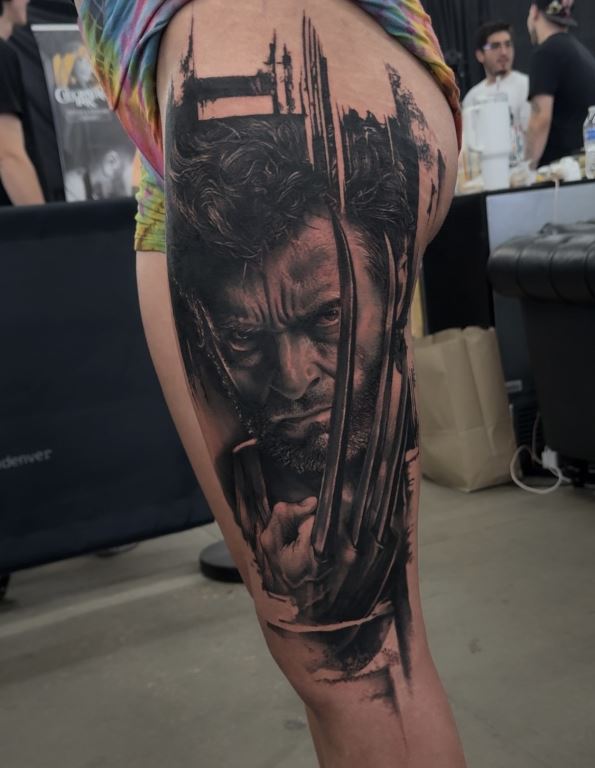
A: These figures already carry symbolic weight. My role is to
humanize them, adding vulnerability, silence, or scars so they feel
alive rather than iconic.
Q: Any dream piece?
A: A full black-and-grey bodysuit designed as a single cinematic
narrative.
Q: How important is it to show healed work?
A: Very important. Healed tattoos tell the truth. Transparency
builds trust, especially in realism where longevity is often
questioned.
Q: How do you build trust during consultation?
A: I educate before I convince. When clients understand the process,
they relax and that’s when the best work happens.
Q: Does the emotional weight of portrait subjects affect the
session?
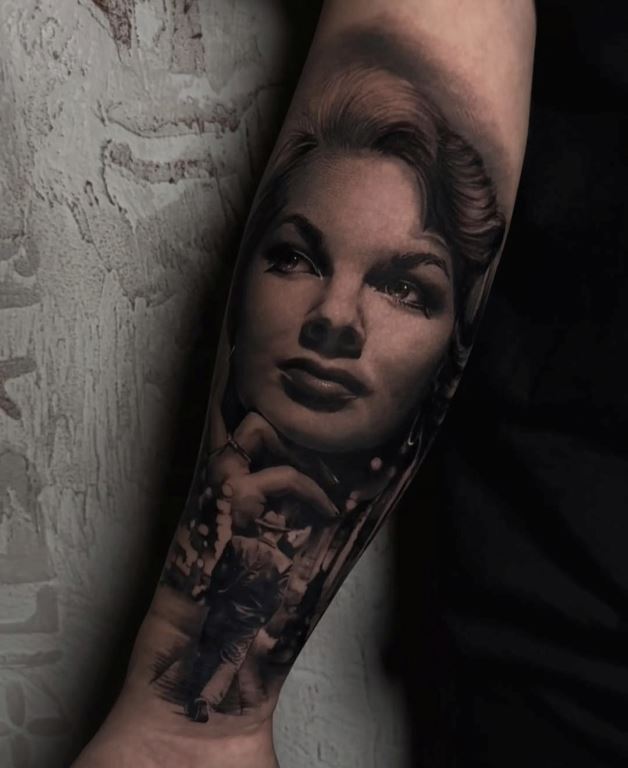
A: Absolutely. Tattooing family members or deeply personal subjects
changes the energy in the room. You work slower, with more respect.
Q: What has been the most challenging piece you’ve tattooed?
A: Large back pieces with multiple focal points. Maintaining balance
across that scale is always a mental challenge.
Q: Does competing at conventions change your approach?
A: Competitions sharpen focus, but fundamentals remain the same.
Pressure either exposes weaknesses or elevates discipline.
Q: Are tattoo conventions vital for an artist’s career?
A: Yes. They’re essential for growth, exposure, and perspective.
They also keep you humble.
Q: Any global trends in realism you’re excited about?
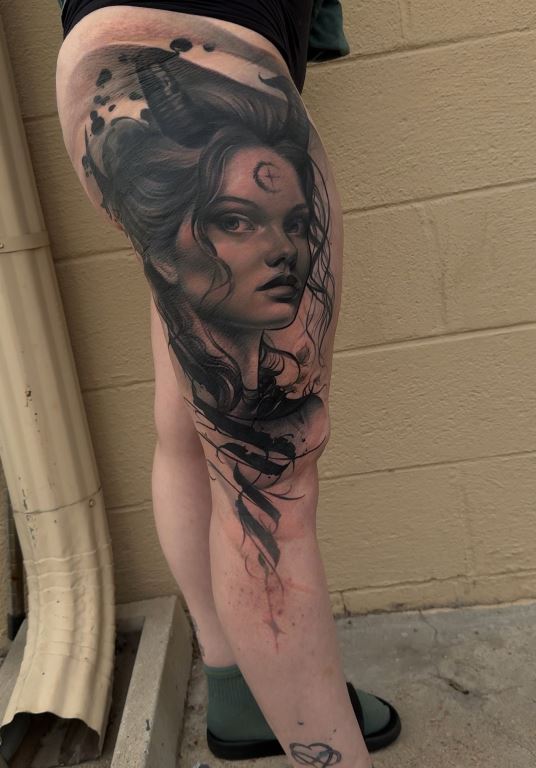
A: Darker moods, stronger contrast, and more cinematic atmosphere.
Less decoration, more storytelling.
Q: How have you seen the realism scene evolve?
A: It’s becoming bolder and more expressive, less photo replication,
more emotional narrative.
Q: How would you describe Denver’s tattoo culture compared
to the international scene?
A: Denver has a strong sense of individuality. Internationally, the
scene is more competitive, but Denver artists are fearless.
Q:Studio location and booking availability?
A: I’m based in Denver, Colorado.
Instagram: @gunes.ink Bookings are currently open via DM and email.
Q: What do you look for in large-scale collaborations?
A: I prefer artists with a different perspective. Contrast creates
stronger results than similarity.

Q: Biggest technical “level-up” in your career?
A: Understanding negative space. Knowing when not to tattoo was a
major turning point.
Q: Mentorship or personal evolution, where are you focused
now?
A: Right now, I’m focused on refining my own visual language.
Mentorship comes naturally when the time is right.
Q: Your opinion on online tutorials and seminars?
A: They’re useful as tools, but they shouldn’t replace personal
experience or critical thinking.
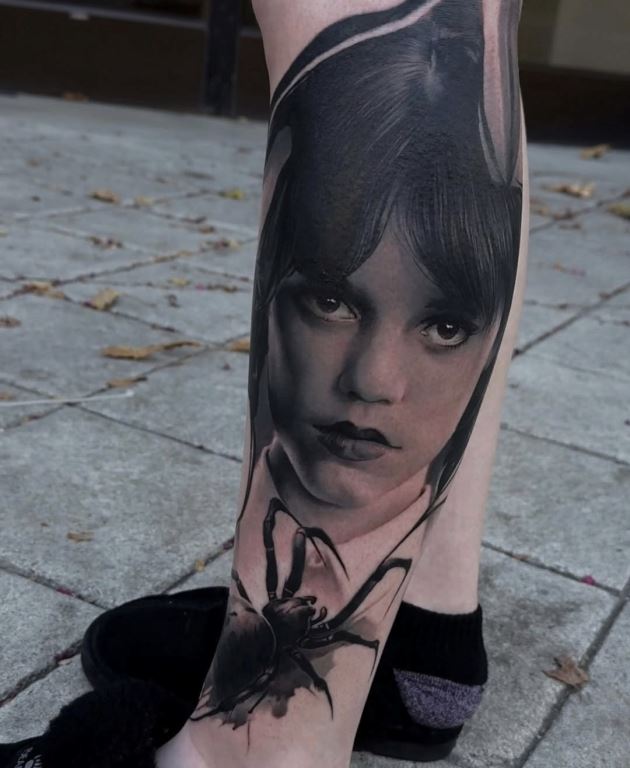
Q: What do you hope people recognize as your signature years
from now?
A: Atmosphere. Even in silence, my work should feel alive.
Q: One piece of advice for aspiring artists that isn’t about
drawing or tattooing?
A: Learn patience. Skill grows fast, but vision takes time.
Interview: Ivana Kancheska
Publishing Date: January 10 2026


