
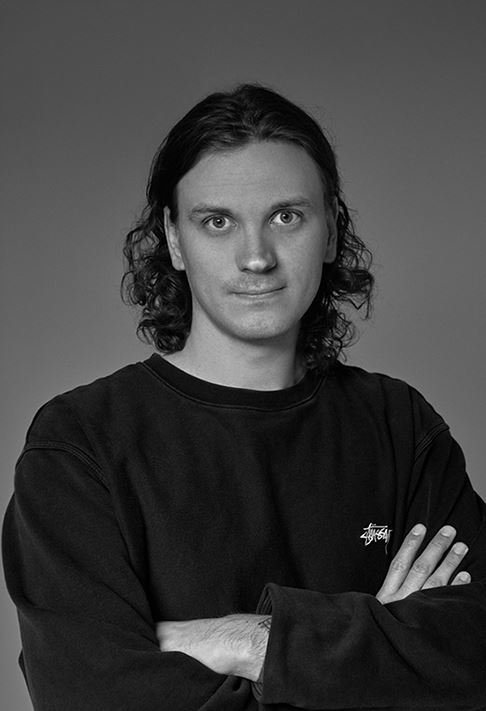
Interview with Oleksandr But
Hello Oleksandr But, thank you for joining
us. We appreciate you taking the time for this interview. Please
begin by sharing your educational background and your introduction
to the art world. I went to school to be an engineer, but I
always loved drawing, especially comics and video game characters. I
realized I loved tattooing when I was 19, and that’s what inspired
me to continue drawing with confidence.
Q: During your formative years as an artist, what styles or
movements captivated you, and what impact did they have on your
early work?
A: I was really inspired by American traditional tattoos and by
old-school art styles. They made me want to create bold, simple
designs that still tell a story.
Q: How integral are foundational drawing abilities to your
process of developing unique, personalized designs?
A: Being good at drawing is super important. I practice a lot so
that I can make my designs clear, strong, and fun to look at.
Q: How did you navigate the path towards establishing your
unique creative direction and developing a strong sense of
confidence in your work?
A: It took me a while to feel confident in my style. I kept
practicing, learned from other artists, and eventually found my own
way of creating tattoos that feel like me.
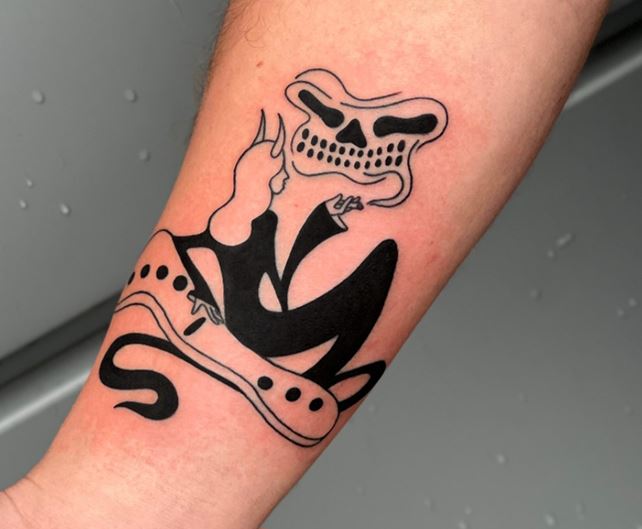
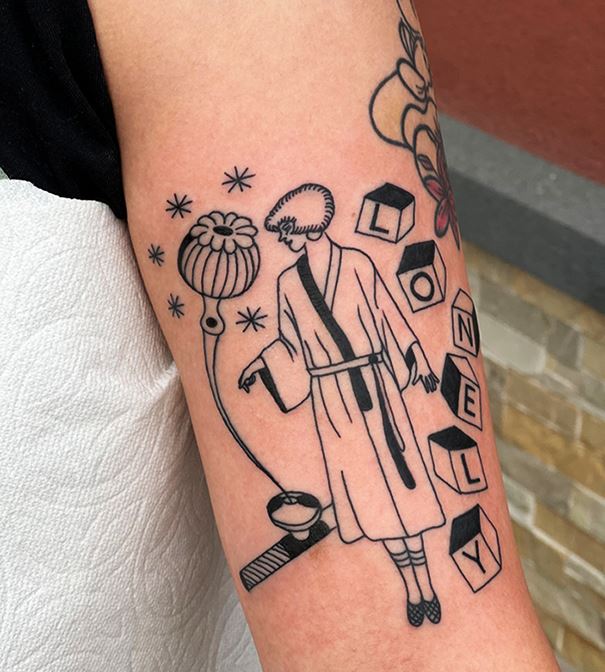
Q: Your portfolio showcases a striking
blend of classic tattoo aesthetics and hand-drawn artistry. While
your designs possess an apparent simplicity, they clearly resonate
with deeper symbolic meaning. How would you describe your artistic
style?
A: My style is a mix of classic American tattoo designs and modern
hand-drawn elements. I use bold lines and simple colors, but I also
make sure each tattoo has meaning and a story behind it.
Q: What aspects of this particular style resonate most
deeply with you, and do you envision exploring other artistic styles
in the future?
A: I love my current style because it feels timeless and personal.
For now, I want to keep improving it rather than trying a completely
different style.
Q: I find a well-executed collection of flash designs to be
a significant source of inspiration, often serving as a valuable
reference for future tattoo work. What, in your opinion, makes a set
of flash designs particularly effective and valuable?
A: A good flash set is made up of strong, clear designs that offer
lots of options. I always try to help my clients choose something
they’ll love while keeping the designs unique and exciting.

Q: Given the saturated nature of modern
tattooing, how vital is it for an artist to cultivate a strong
portfolio and a unique stylistic identity to stand out?
A: It’s really important for an artist to have a good portfolio and
their own style. That’s what makes you stand out in a crowded
industry.
Q: While contemporary tattoo styles continue to evolve, the
classic old school aesthetic remains iconic. What aspects of this
enduring style resonate most deeply with you as an artist? Do you
have any favorite designs and symbols?
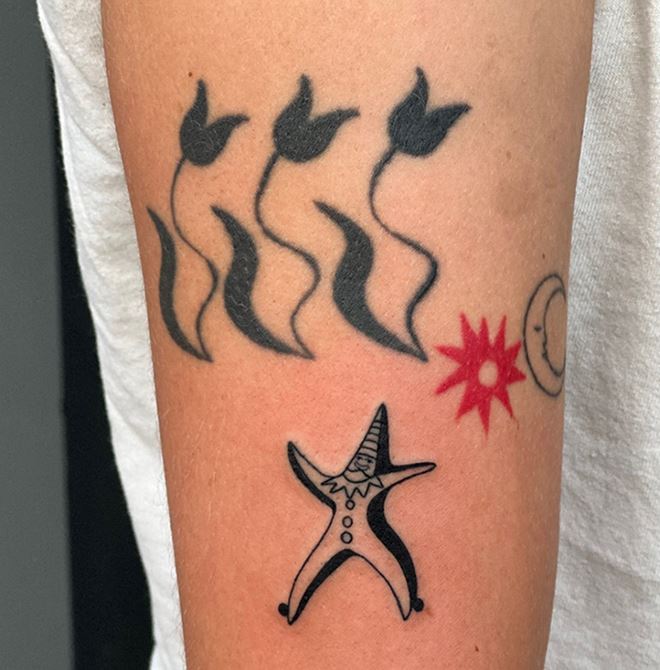
A: I like old-school tattoos because they’re bold and easy to
recognize. My favorite designs include things like hearts, clouds,
stars, and roses, simple but meaningful.
Q: When it comes to your artistic process, do you favor the
nuanced application of color or the graphic strength of bold black
outlines, and how does each choice inform your technical execution?
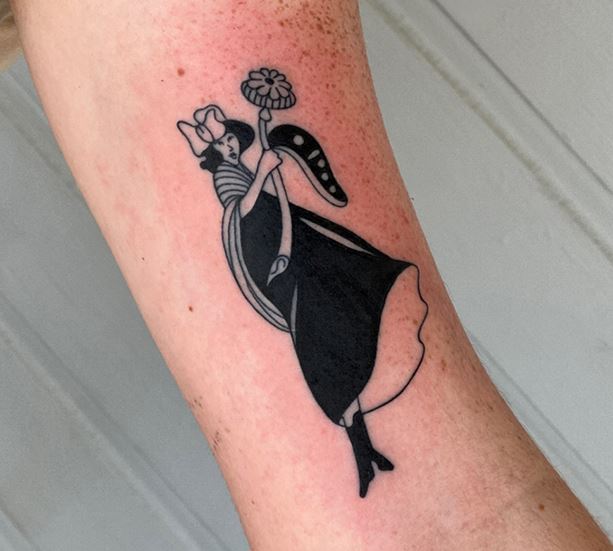
A: I mostly use bold black outlines because they look clean and
stand out. Sometimes I add color to make it pop, but the black lines
are what give it that strong look.
Q: Clients frequently present intriguing concepts. In your
experience, does your style offer a broader range of creative
flexibility and interpretation compared to styles with stricter
parameters, such as realism?
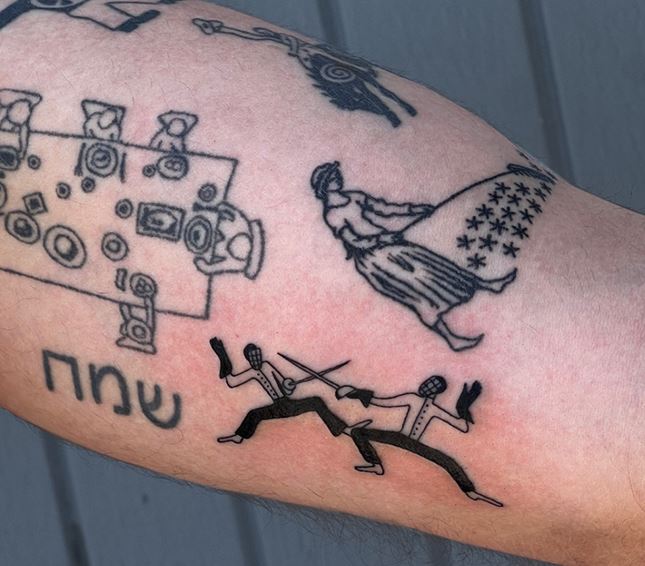
A: My style is flexible, so I can take even complicated ideas and
turn them into simple, clean designs. Most of the time I use my
flash designs, but I can do custom work if a client wants something
really unique.
Q: If there were no limitations, what
delightfully absurd or profoundly meaningful tattoo concept would
you most love to bring to life?
A: If I could do anything, I’d love to create a tattoo that’s big,
meaningful, and tells a powerful story.
Q: From your perspective, what qualities define an ideal
client, fostering a successful and collaborative tattoo experience?
Conversely, what behaviors or attitudes can hinder the process and
create challenges during a session?
A: A great client is someone who trusts my ideas and shares their
thoughts clearly. It can be tough when a client keeps changing their
mind or doesn’t know what they want.
Q: Your digital drawings have a strong narrative quality.
Have you considered extending your artistic vision into other
mediums, such as book illustration or graphic storytelling?
A: I’d like to try illustrating a book or creating a comic. I think
it would be really fun to share my stories in a new way.
Q: How do you perceive the current state of the local tattoo
scene? Are there any notable trends, emerging artists, or innovative
styles that you find particularly compelling?
A: I don’t follow the local tattoo scene too closely, but I enjoy
seeing how new artists and trends are making tattooing more creative
and exciting.
Q: With the constant innovation within the
tattoo industry, do you believe we'll witness the rise of any
significant new stylistic movements in the years to come?
A: I think new styles will keep popping up. Tattooing is always
evolving, and it’s fun to see artists mixing old and new techniques.
Q: For our readers, could you please provide your studio
location, website, and social media links? Additionally, please let
us know your current availability for bookings.
A: I travel a lot, so I don’t have a permanent studio right now. But
you can find my work on Instagram @but_flash and message me there or
my Facebook Oleksandr But.
Q: What projects or opportunities are you most excited about
pursuing, and how do you envision them contributing to your
continued artistic growth?
A: I’m looking forward to making more flash sets and exploring guest
spots in new cities. Each project helps me improve and keeps me
inspired.
Q: The tattoo industry offers numerous opportunities for
artists to expand their skills through guest spots. What are your
thoughts on the benefits of this type of experience? And, have you
personally worked as a guest artist at any studios?
A: Guest spots are a big part of my career. I’ve worked in studios
all over Europe and the U.S. and it’s been a great way to learn from
other artists and grow my skills.
Q: What about tattoo conventions?
A: I haven’t won any convention awards yet, but I’m excited to
attend more conventions in the future. It’s a great chance to share
my work and meet other artists.
Q: Balancing creative inspiration with a demanding client
workload is a significant challenge for full-time tattoo artists.
How do you manage this balance to ensure consistent quality in your
work?
A: It’s not always easy to balance creativity and a busy schedule,
but I take breaks when I need to. That helps me keep my work fresh
and high-quality.
Q: Given the breadth of styles and
influences in the American tattoo scene, do you believe there are
significant opportunities for cross-pollination and artistic
development?
A: The tattoo scene in the U.S. is so big and diverse. I think it’s
awesome that different styles and artists can inspire each other to
create new ideas.
Q: Do you have any favorite American tattoo artists you
would like to work with in the future?
A: There are lots of American tattoo artists I’d love to work with.
I admire those who combine traditional techniques with fresh ideas.
Q: Knowing the diversity of the US tattoo
landscape, are there any areas that particularly resonate with your
artistic style or that you feel would be a good fit for your work?
A: I’ve had great experiences in places like Oregon, Colorado, and
Texas. Those areas have a cool vibe that matches my style.
Q: What impact do you aspire to have on the tattoo
community?
A: I want to encourage other artists to stay true to their unique
style. If I can help make the tattoo community more open and
creative, I’ll be happy.
Q: What are the most common misconceptions aspiring tattoo
artists have about the profession? And, what essential advice would
you offer to those looking to pursue a professional tattooing
career?
A: Some people think tattooing is an easy way to make money, but it
actually takes a lot of hard work and practice. My advice is to
learn from experienced artists, focus on doing personal style, and
always keep improving.


