
Interview with Pasha Ink
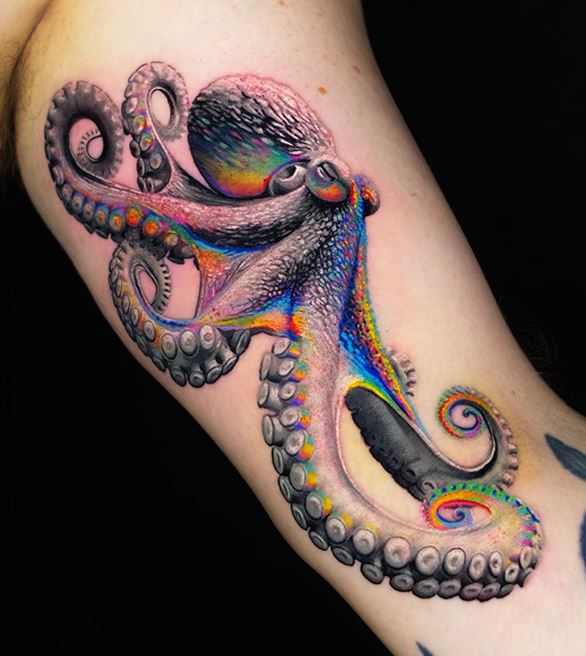
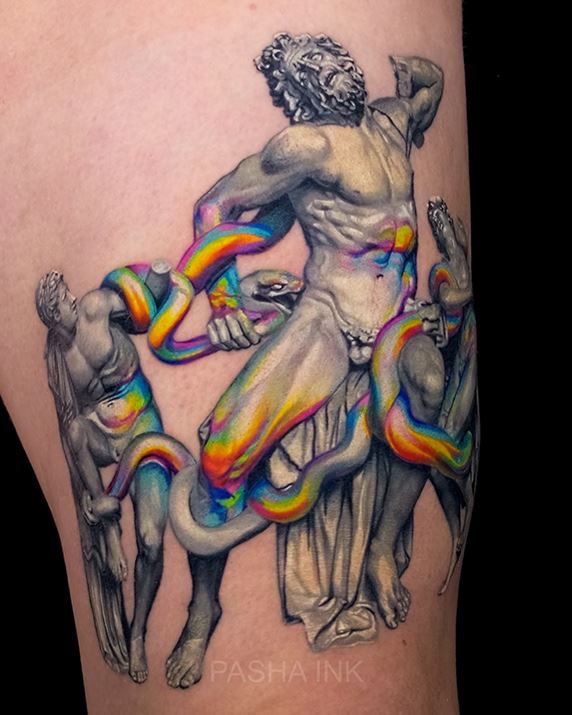
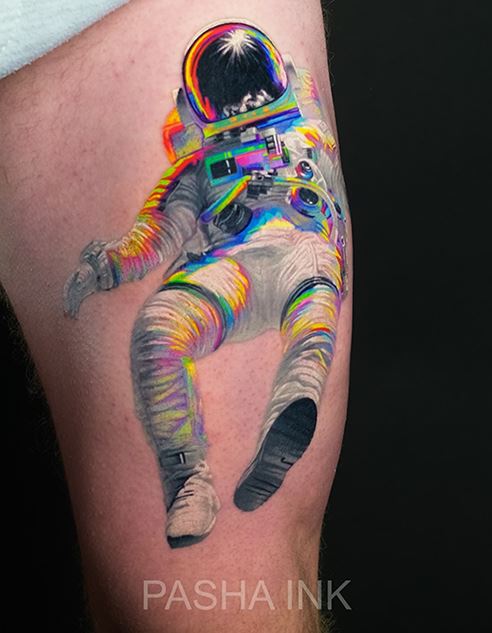
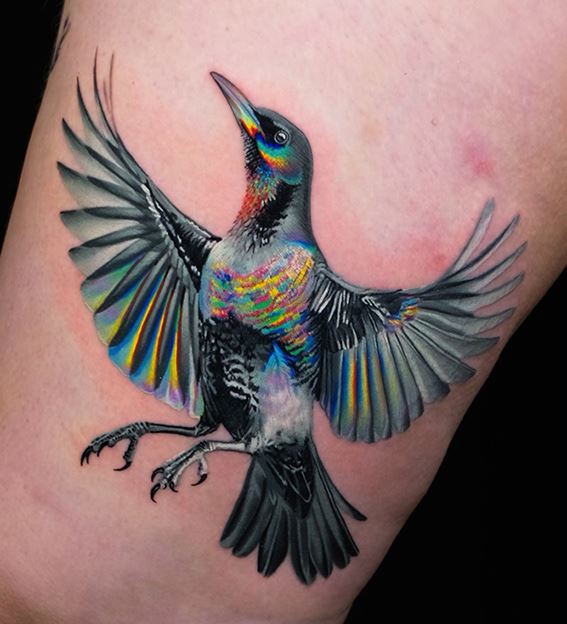
Hello Pavlo Pozhydaiev aka Pasha Ink! Thank you so much for taking the time to do this interview. It's a pleasure having you here, please start by telling us something about yourself and your background. I was born and raised in Ukraine, and I started drawing as a child, around the age of three or four. Before discovering tattooing, I explored various creative fields, I wrote and produced music, worked as a graphic designer, crafted leather goods, and even experimented with photography and video production. Each of these pursuits helped me refine my artistic skills and broaden my creative perspective. However, it was tattooing that ultimately captured my heart, as it allowed me to combine all of my experiences into a unique form of expression. What makes tattooing so special to me is the fact that you work with the most valuable canvas in the world, the human skin. This realization brings an incredible sense of gratitude and pride, knowing that my art becomes an inseparable part of someone’s life. Interestingly, I don’t have a specific list of favorite artists. By nature, I find it difficult to have idols or to become a fan of someone in particular. There are many incredible artists who excel in what they do, and I deeply respect all those whose works resonate with my perception and inspire me in some way. For me, art is less about individual names and more about the emotions and connections it creates. Currently, I am preparing several educational courses to be launched this year. These include a program focused on my signature style, Glitch Realism, as well as a separate course dedicated to the foundations of tattooing techniques. All information and timelines will be available on my website.

Q: What sparked your interest in tattooing? What inspired
you to give it a try?
A: My career as a tattoo artist began in early 2013, inspired by a
friend’s tattoo I saw in Kyiv. I’ve been drawing since childhood,
first with pencils by the window, then “tattoos” with pens on my mom
and classmates. In ninth grade, I built my first tattoo machine
using a motor from an old tape recorder. That same day, I tattooed
myself for the first time and also gave my younger brother his first
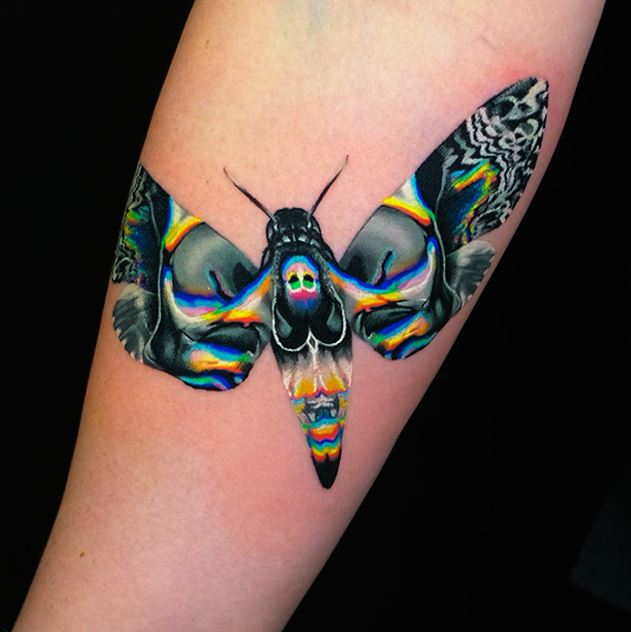
tattoo. Today, I’ve developed a unique style called Glitch Realism,
combining black and gray and color techniques. This style reflects
my creativity, experience, and dedication to perfection.
Q: Your creative direction seem to be tattoo realism with
some nuances of other styles which I really like. Why this style,
what do you like the most about it?
A: I chose the combination of black wnd white realism with colors,
executed in the Glitch Realism technique, because this combination
is incredibly captivating for the mind and adds a sense of living
presence to the tattoo.

Q: It's interesting how every tattoo is
colored in a similar way - very unique! What role does color theory
play in creating visually appealing and harmonious tattoo designs?
A: Color theory and understanding its basics play a huge role. Even
fundamental principles and rules of color interaction, when applied
correctly, allow you to beautifully emphasize elements in a tattoo
and effectively attract the viewer’s attention.
Q: It's a signature style? Do you plan to experiment with
different styles or colors?
A: Of course, I’m constantly inspired by new things and evolving my
style. Recently, I conducted a market analysis, explored current
trends, and noted several ideas I plan to implement soon. However,
my foundation will remain the same, stylish glitch and realism.

Q: Tattooing involves constant client
interaction. How do you balance fulfilling client requests with
maintaining your unique artistic vision?
A: I’m very fortunate to have clients whose sense of style and taste
strongly resonates with my vision. The process of creating a tattoo
with them is always enjoyable. I’m truly grateful that my clients
trust me 100%.
- Have you ever turned down someone?
Yes, I have had to turn down clients at times. This usually happens
when their idea is overly complex and convoluted or, conversely, too
vague and lacks detail. In such cases, I realize I wouldn’t be able
to create a high-quality, complete piece that aligns with my
standards.
Q: Have you recently completed a
challenging tattoo that you're particularly proud of?
A: I have many complex and unique works, so choosing just one
favorite is incredibly difficult. Instead, I would highlight a
collection of at least five pieces, each of which is special in its
own way. The various elements and moments in these tattoos make them
unforgettable for me.
Q: Can you share a memorable client story that highlights a
positive impact you made?
A: Every session involves a high level of communication and
interaction. I always strive for both myself and my client to take
something meaningful from our meeting. The tattooing process is
always infused with purpose, as I work in my favorite style, and the
client loves it and chooses a tattoo that holds great significance
for them. The tattoo stays with them for life, making every session
a unique and meaningful experience.

Q: How has the shift from traditional
hand-drawn sketches to digital design tools impacted your design
process? What are your guidelines for incorporating client feedback
and revisions into your designs?
A: Working on designs with new technologies has become a true
pleasure. I love creating my designs on an iPad. For a long time, I
used a computer, and transitioning to a tablet was challenging, but
once I mastered it, the process became incredibly convenient and
inspiring. When it comes to client feedback, we handle it with great
respect. We explain in detail why certain adjustments should be made
to the design or why specific elements or effects may not work.
Sometimes the client’s ideas may seem complex, but my experience
allows me to interpret them into successful, creative
implementations.
Q: With the rise of collaborative projects
in the tattoo world, have you considered collaborating with other
artists on a tattoo design? What are your thoughts on the potential
benefits and challenges of such a venture?
A: Yes, I see enormous potential in collaborations and combining my
style with the unique styles of other artists, especially if they
can be creatively and interestingly paired. These projects not only
advance the tattoo market but also contribute to the evolution of
visual art as a whole.
Q: How would you describe the current state of the local
tattoo scene? Do you observe any significant growth or evolution in
terms of emerging artists, new styles, and community events?
A: Recently, I haven’t been actively following the development of
new styles or trends in the tattoo scene. I’ve been focused on
developing my own style. However, I recently set aside time to
research new trends in the industry, and I noted several interesting
ideas I plan to incorporate into my work.
Q: How frequently do you participate in tattoo conventions,
and how do you leverage these events to enhance your professional
visibility, connect with clients and fellow artists, and potentially
expand your career opportunities?
A: In 2025, I already have eight tattoo conventions planned, making
it a very busy year. Conventions are a fantastic way to spend time,
meet talented artists, connect with clients and fans, and showcase
my style to a broader audience.
Q: Please write down your studio location
and website/social media links. Also, let us know if you are
available for bookings.
A: I am based in Los Angeles, California, and bookings are open. My
website is: pashaink.com My Instagram is: @pashainktattoo
Q: Given the vibrant and diverse nature of the American
tattoo scene, are you interested in exploring more professional
opportunities within the United States?
A: The United States is the most vibrant and developed place for the
tattoo industry, offering endless opportunities. I’m happy to be at
the very center of it and explore further possibilities.
Q: Could you share your overall experience thus far? If you
were to pursue a long-term career as a tattoo artist in the United
States, is there a specific region or city that particularly
interests you?
A: California is my favorite place in the U.S. I adore the vibe of
Los Angeles and I frequently travel to cities like San Francisco,
Austin, and New York.
Q: What kind of impact do you hope to make
on the world of tattoo art in the years to come?
A: In the coming years, I want to impact the tattoo world by
teaching other artists my style, Glitch Realism, so that more people
can experience and enjoy it.
Q: What activities or interests help you maintain a balanced
lifestyle and foster personal growth outside of your professional
endeavors?
A: I love tennis and cycling, and in general, I’m a big fan of
cardio sports. Traveling to new places and spending time in nature
also inspires me.
Q: What are the most rewarding aspects of your career as a
tattoo artist?
A: The most valuable aspect of being a tattoo artist for me is the
opportunity to spend time in a meditative atmosphere while
communicating with new, interesting people.
Q: Best careers highlights?
A: The greatest achievement in my career is the creation of my
unique Glitch Realism style.
Q: What is the most valuable advice you can offer to someone
who is serious about becoming a professional tattoo artist?
A: Techniques, tips, and recommendations will always vary, but there
are universal principles for effective development. First and
foremost, it’s crucial to learn how to analyze a large amount of
information to find patterns and apply them to your work. If you
want to save years of development in your tattoo journey, I strongly
recommend attending masterclasses by super-professional artists or
gurus in the style you want to specialize in.


