
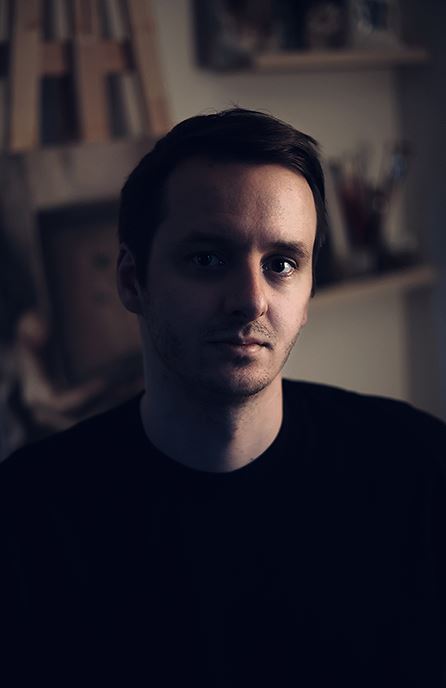
Interview with Mihails Neverovs
Hello Mihails Neverovs! Thank you so much
for taking the time to do this interview. We really appreciate.
Please start by telling us something about yourself and your
background. When did you discover your talent for arts?
I’ve been drawing for as long as I can remember. I attended art
school when I was a kid, but it wasn’t really for me at that age, it
felt strange to draw something just because a teacher told me to (I
was never great at school, haha). Later on, after tattooing for a
few years, I decided to take private academic drawing lessons, and
that helped me a lot.
Q: What was the initial spark that ignited your interest in
tattooing, and how has your motivation evolved over time?
A: I got my first tattoo at 13 with a homemade machine and with
sharpened guitar string, super sketchy, I know! But this was over 20
years ago. At 18, I got my first proper tattoo in a studio, a spiral
on my elbow. Watching the process, I knew this was what I wanted to
do. I started practicing at home with an eBay tattoo kit on myself
and friends, doing simple tattoos. I was super motivated, so I
learned as much as I could online, mostly from forums. Back then,
Russian tattoo forums had big artists sharing tips and tricks.
Later, I started working in studios, where I learned a lot. And I’m
still learning, because in tattooing, you never stop.
Q: It's impressive how realistic your tattoos are. What's
the most satisfying part of creating that kind of work?
A: I like many styles, but one of my favorites is Japanese because
of its flow, size, and sometimes ‘simplicity.’ In my own style, if
you can call it that I try to keep things simple and readable. I
don’t believe in overloading a tattoo with details since skin isn’t
paper. So, I aim for a clean, realistic look. There are so many
artists who have inspired me that it’s hard to name them all. But
for me, true satisfaction comes when my client is happy, the tattoo
is readable from a distance, and it ages well over time.
Q: Tattoo realism demand extraordinary
technical skill. What specific artistic challenges within this style
do you find most compelling, and what makes the successful execution
of those challenges so rewarding?
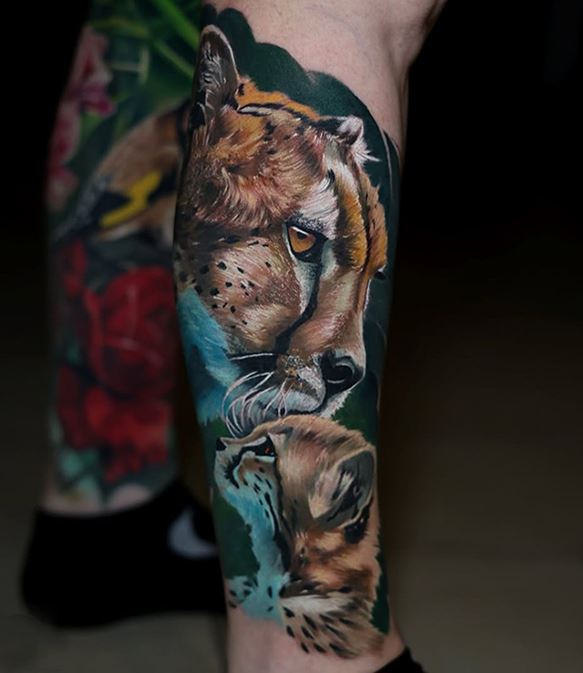
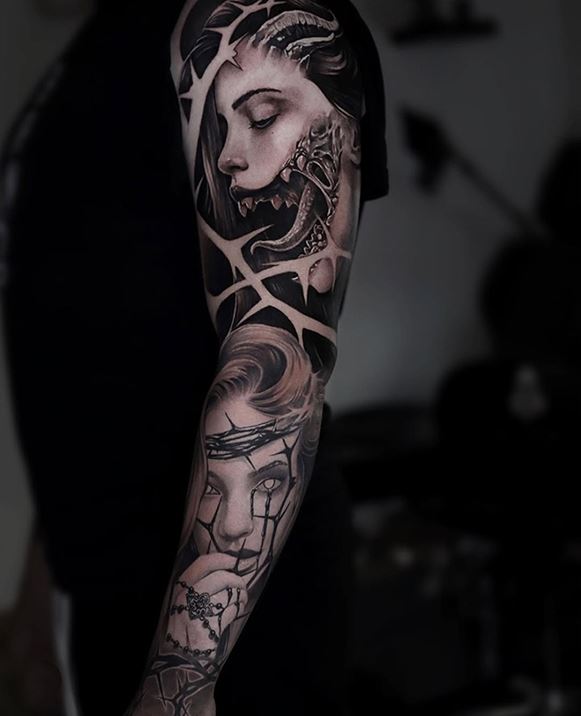
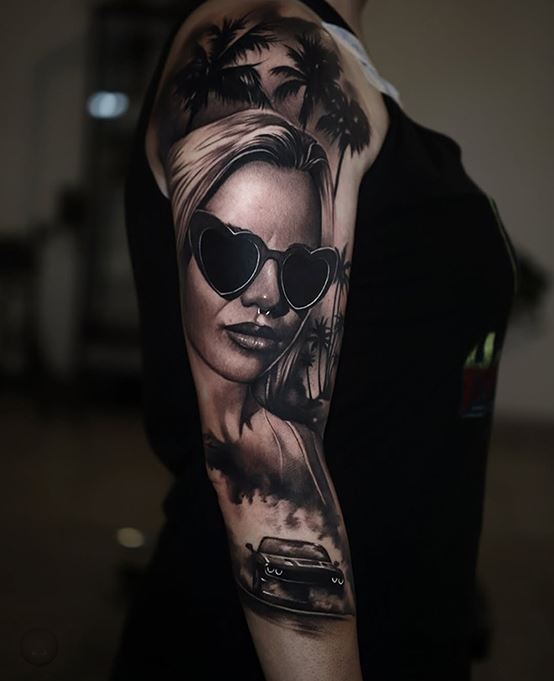
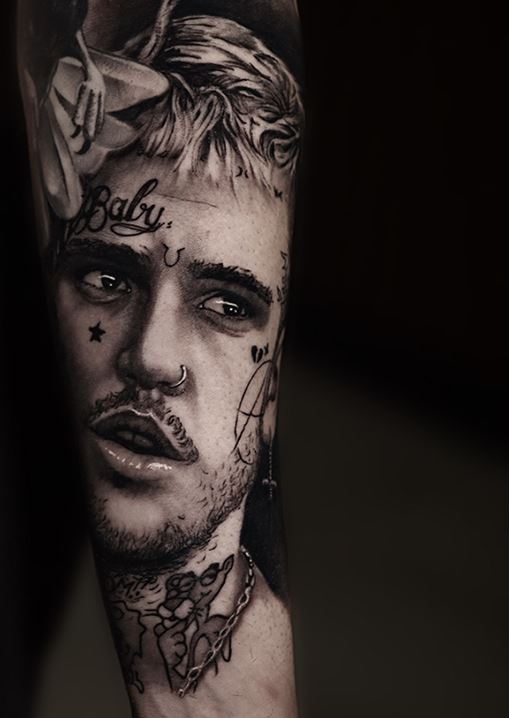
A: Tattoo realism is one of the most challenging styles because it
requires both creative and technical skills. It took me years to
develop my approach, not just to replicate an image but to adapt it
to the skin so it stays readable and ages well. I focus on a more
simplified form of realism, keeping details balanced instead of
overloading the tattoo. Mastering shading, color blending, and
contrast was key, but I also had to learn how different skin types
react to ink. Placement and flow matter just as much as the design
itself. What makes it so rewarding is seeing the tattoo come to life
on the skin in a way that looks natural, holds up over time, and
makes my clients truly happy.
Q: Which do you find more creatively stimulating: working
with color or black and gray tattooing, and why?
A: I enjoy both color and black & grey, and I truly believe some
designs or objects work best in one or the other. Some things are
easier to bring to life in color because you can add more depth and
detail, while others look better in black & grey for a cleaner,
timeless look. It really depends on the subject and what fits best.
It also depends on the clien, things like sun exposure matter.
Someone who loves tanning might be better off with black & grey,
while someone who spends most of their time indoors can maintain
color tattoos longer.
Q: Your portfolio showcases impressive large-scale pieces,
demonstrating a clear dedication to quality. Among your extensive
work, are there any tattoos that hold particular personal
significance for you?
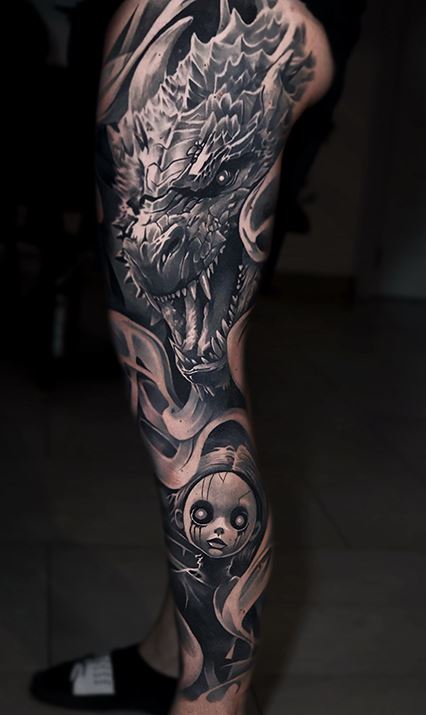
A: Thank you! I’m really proud of the large-scale pieces I’ve done,
they take a lot of time and effort, but the results are always worth
it. As for personal significance, there are definitely a few tattoos
that stand out. For example, the front piece from The Last of Us,
mainly because I love that game. Sometimes it’s a piece that pushes
my limits or teaches me something new about technique. Other times,
it’s a tattoo where I really connect with the client, and the
meaning behind it is so powerful.

Q: Sharing your life with a fellow artist
like Sandra must create a uniquely supportive and enriching
environment. The shared understanding of creative demands and the
opportunity for collaborative artistic exploration seem particularly
valuable. I saw that beautiful backpiece tattoo! What a masterpiece!
Please tell me more.
A: Having a talented partner like Sandra is incredibly enriching. We
both understand the demands of being artists, so there’s a natural
support system between us. We’re able to share ideas, discuss
techniques, and even exchange tips, it’s a great way to grow and
learn from each other. Of course, balancing our schedules can be a
challenge, but we always make time to collaborate and explore new
ideas together. As for the backpiece, it was a special project for
us both. We decided to combine our styles and create something that
would truly represent both of us. The idea came from Sandra, and I
was immediately on board. It was a mix of elements that we both
loved, realism with a bit of fantasy, and the flow of the design
worked perfectly for the back. We took our time with it, and seeing
it all come together was amazing. It was a beautiful experience to
work on such a big project together and to be able to push each
other creatively.

Tattoo Artists: Sandra Daukshta and Mihails Neverovs
Q: Can you walk me through some of the
logistical considerations involved in planning and executing a
multi-session project like that?
A: For large-scale tattoos, clear communication is essential. We
start with a detailed consultation to discuss the design, timeline,
and session durations. We also make sure the client is prepared for
extended appointments, offering advice on staying comfortable and
managing pain. Setting realistic expectations and addressing
concerns upfront helps ensure a smooth, transparent experience
throughout the process.
Q: If I got that backpiece, I want those colors to look like
that forever! :) Tattoo longevity is a common concern, as natural
skin regeneration inevitably leads to fading. What are your
recommended long-term maintenance strategies to minimize this
process, particularly during periods of increased sun exposure like
summer?
A: Ha ha, I completely understand wanting those colors to stay
vibrant forever! Tattoo longevity is definitely important, and the
key to preserving colors is solid skin saturation with color and
proper aftercare. My recommendation for long-term maintenance,
especially in the summer, is to always use sunscreen with a high SPF
on your tattoo. Sun exposure is one of the biggest causes of fading,
so protecting your tattoo from UV rays is crucial. Regular
moisturizing keeps the skin healthy and the tattoo will be better
looking. Additionally, avoiding excessive sun exposure and tanning
will help prevent premature fading.
Q: Realism requires exceptional technical
skill. How do you balance the need for precise representation with
your desire for personal artistic expression in your work?
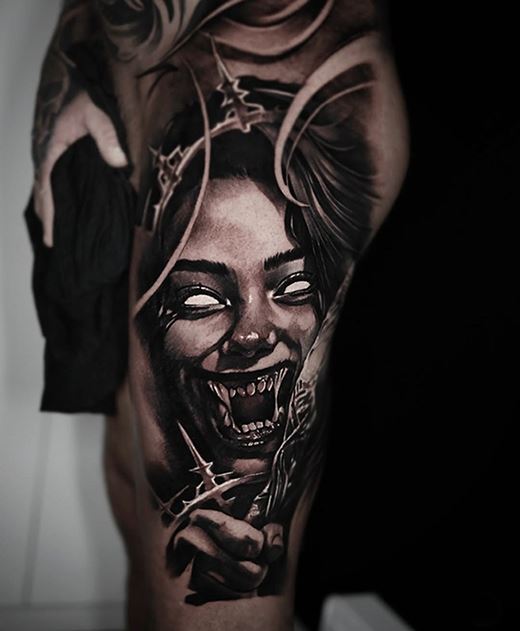
A: Realism requires a lot of technical skill, but I always strive to
balance precision with my personal artistic expression. I’m open to
discussing design ideas and adjustments with clients to ensure we’re
both happy with the final piece. My creative process begins with
sketching, composing, and designing on my iPad using Procreate. I
refine the details digitally before bringing them to life on the
skin. I aim to create unique designs while staying true to my style,
always focusing on delivering the best results while maintaining my
artistic integrity.
Q: Earning client trust requires both exceptional tattoo
skills and unwavering ethical behavior. A good reputation solidifies
this trust, guaranteeing clients a quality tattoo. What, in your
opinion, is the most effective way to maintain this crucial
reputation?
A: Maintaining a good reputation is about consistently delivering
high-quality tattoos while being professional and reliable. Building
trust with clients is key, and it’s important to keep that trust
through clear communication, professionalism, and follow-through.
Over the years, I’ve learned that the best way to maintain a solid
reputation is by being transparent, listening to clients’ needs, and
at the same time standing to my believes and creating design I
believe will look best and last forever. This approach helps build
lasting relationships and keeps clients coming back.
Q: In addition to your personalized
designs, do you keep a library of preliminary sketches or design
ideas that clients might find helpful in visualizing their tattoo
concepts?
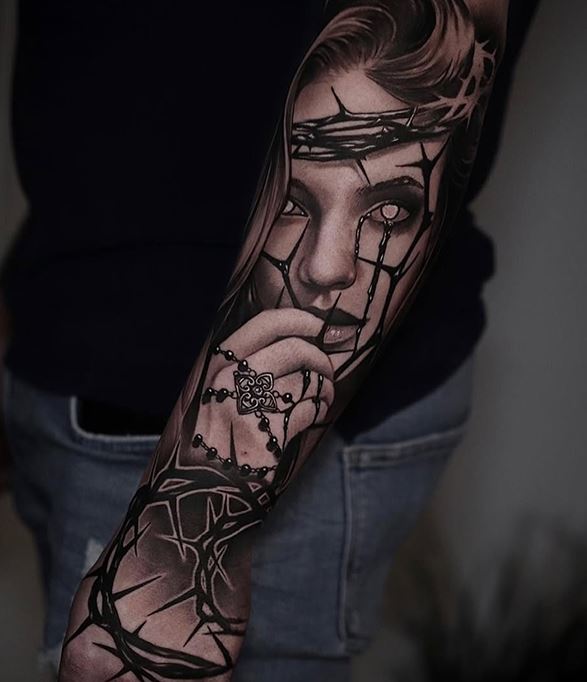
A: I don’t keep a library of pre-made designs, as I prefer to create
each tattoo based on the client’s idea and needs. When a client
shares their concept with me, we discuss it in detail to make sure
my portfolio aligns with what they’re looking for. From there, I
create a custom design just for them. Of course, I do show some
examples of my previous work to give them an idea of composition or
placement, but each design is unique and tailored to the client’s
vision.”
Q: If a client gave you carte blanche to design their
tattoo, what would your ideal creative project look like?
A: The older I get, the more I appreciate clients who provide a bit
more direction. While the idea of having carte blanche to design
sounds great, I’ve found that when clients say they’re fully
open-minded, it often leads to endless changes and stress. It’s much
easier when a client gives me a general theme and shows me 3-6
tattoo examples they really like. This helps me better understand
their vision and style, allowing me to create something they’ll love
with less back-and-forth.
Q: With your demonstrated talent and
commitment to refinement, what future artistic directions, including
potential style or technique diversification, are you envisioning?
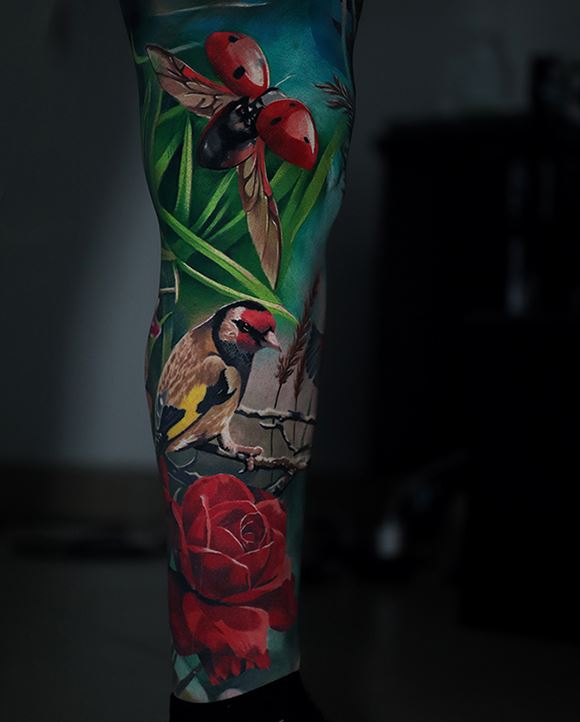
A: I’d like to keep my focus on realism and simplicity because I
truly believe in that approach. My goal is to concentrate on more
interesting compositions, sizes, and placements, while continuing to
refine my technique. I want to explore how to make each piece more
dynamic and unique without overcomplicating it. Staying true to this
style allows me to push the boundaries of what I can create while
maintaining the core principles of my work.
Q: Collaborative tattooing is becoming increasingly
prevalent. Are there any other artists whose work you admire and
with whom you'd be interested in exploring a collaborative project?
A: think collaborative tattooing is a great concept, and I’d
definitely be open to it more often. However, as an introvert, I
prefer to work with artists I know personally. While I can admire
the work of other talented artists, working with someone I don’t
know well would cause me a lot of stress, even if they’re very
skilled. I find that the best collaborations happen when there’s a
strong personal connection and understanding between the artists.
Q: What's your take on the local tattoo
scene? Are you seeing any exciting developments, like new artists,
styles, or events?
A: It is mind blowing how far tattooing has come. There’s a massive
amount of incredibly talented artists across all styles. The scene
is definitely oversaturated, but that just pushes me to keep
improving and motivates me to keep evolving as an artist.
Q: Please write down your studio location and website/social
media links. Also let us know if you are available for bookings.
A: Even though our studio is based in Riga, Latvia, we’re always
open to international clients. We have quite a large base of clients
from all over, and it’s great to connect with people from different
places who appreciate our work. Sometimes, we also travel to
different countries as guest artists or for conventions, which gives
us the chance to meet new people and expand our reach.
www.insidetattoogallery.com www.instagram.com/mihailsneverovstattoo/
@mihailsneverovstattoo I open my booking maximum 3 months upfront,
so I can plan my life:)
Q: How do you perceive the current trends
and evolution of the global tattoo scene, and what aspects do you
find particularly promising or concerning?
A: The global tattoo scene has evolved massively, with an incredible
number of talented artists. The level of quality today is insane,
and it’s great to see tattooing becoming more widely accepted as an
art form. However, the scene is also heavily oversaturated, which
makes it harder for both new and experienced artists to stand out.
The fast-changing trends can sometimes lead to people choosing
designs that might not age well. But overall, the competition and
high standards push artists to keep improving, which is always a
good thing.
Q: Have you worked as a guest artist in another studio?
A: Yes, my wife and I have traveled and worked as guest artists in
many different studios, and we plan to do even more across the
globe, because what could be better than traveling and working,
right? Tattooing in new environments is always an interesting
experience. It allows me to meet other artists, learn new things,
and connect with clients from different places. It’s also a great
way to step out of my routine and gain fresh inspiration.
Q: How often do you attend tattoo
conventions? In your experience, how valuable are tattoo conventions
for artistic growth and building client relationships?
A: At some point we did quite a lot, I think 2-3 conventions per
year would be ideal. I’ve won awards at a couple of French
conventions and in New Zealand, and I’m looking to attend more and
push myself further. Conventions offer great opportunities to
connect, learn, and showcase work, making them invaluable for
artists.
Q: How has your passion for tattooing evolved since you
first started? Are you just as enthusiastic, or even more so now?
A: My passion for tattooing has definitely evolved over the years.
In the beginning, it was all about learning the craft and getting
better technically. Now, I’m more focused on creating interesting
compositions and pushing my work further. I’d say I’m just as
passionate, if not more, because there’s always something new to
learn and improve.
Q: The American tattoo scene offers a wide range of styles
and influences. Do you see any potential benefits or opportunities
for artistic growth in exploring that environment?
A: The American tattoo scene is incredibly diverse and offers a lot
of opportunities for artistic growth. There are so many styles and
influences that can push you to try new things, experiment, and
learn from talented artists. Immersing myself in that environment
would allow me to broaden my creative horizons, refine my
techniques, and gain new perspectives from the variety of artistic
approaches in the U.S. It’s definitely a place where I could see a
lot of potential for growth.
Q: Do you have any favorite American
tattoo artists you would like to work with in the future?
A: Honestly, the USA has so many insanely talented tattoo artists
that it’s really hard to choose just a few. The tattoo scene there
is huge, covering every possible style, with amazing specialists in
realism, traditional, black and grey, and color work. If I ever get
the chance to collaborate with some of them, it would be an
incredible experience. I’m always open to opportunities, and if the
right one comes along naturally, that would be amazing.
Q: Knowing the diversity of the US tattoo landscape, are
there any areas that particularly resonate with your artistic style
or that you feel would be a good fit for your work?
A: I think my work would fit well in many areas of the U.S.,
especially in cities with a strong appreciation for realism and
large-scale tattoos. Places like Los Angeles, New York, and Miami
have a diverse tattoo culture with many artists pushing boundaries
in realism, which resonates with my style. I also believe my
approach to keeping tattoos readable and well-composed would appeal
to clients looking for quality work that ages well.
Q: What impact do you aspire to have on
the tattoo community?
A: I want to contribute by creating high-quality, well-thought-out
tattoos that stand the test of time. I believe in keeping designs
readable, balanced, and suited for the body, rather than just
following trends. If my work inspires other artists to focus on
longevity and strong composition, that would be a great impact.
Also, sharing knowledge and experiences, just like others did when I
was learning feels important to me.
Q: If you could go back and give your younger self advice
about pursuing tattooing, what would it be?
A: I’d tell myself to be patient and focus on the basics, strong
composition, clean execution, and how tattoos age over time. I’d
also remind myself not to rush the process, improvement comes with
experience and learning from others. Investing in good equipment and
education early on would have saved me time, too. And most
importantly, I’d say to enjoy the journey, progress takes time, but
every step teaches you something valuable.


